
Table of Contents
Understanding the Shift: Why Am I Suddenly Getting Pelvic Pain?
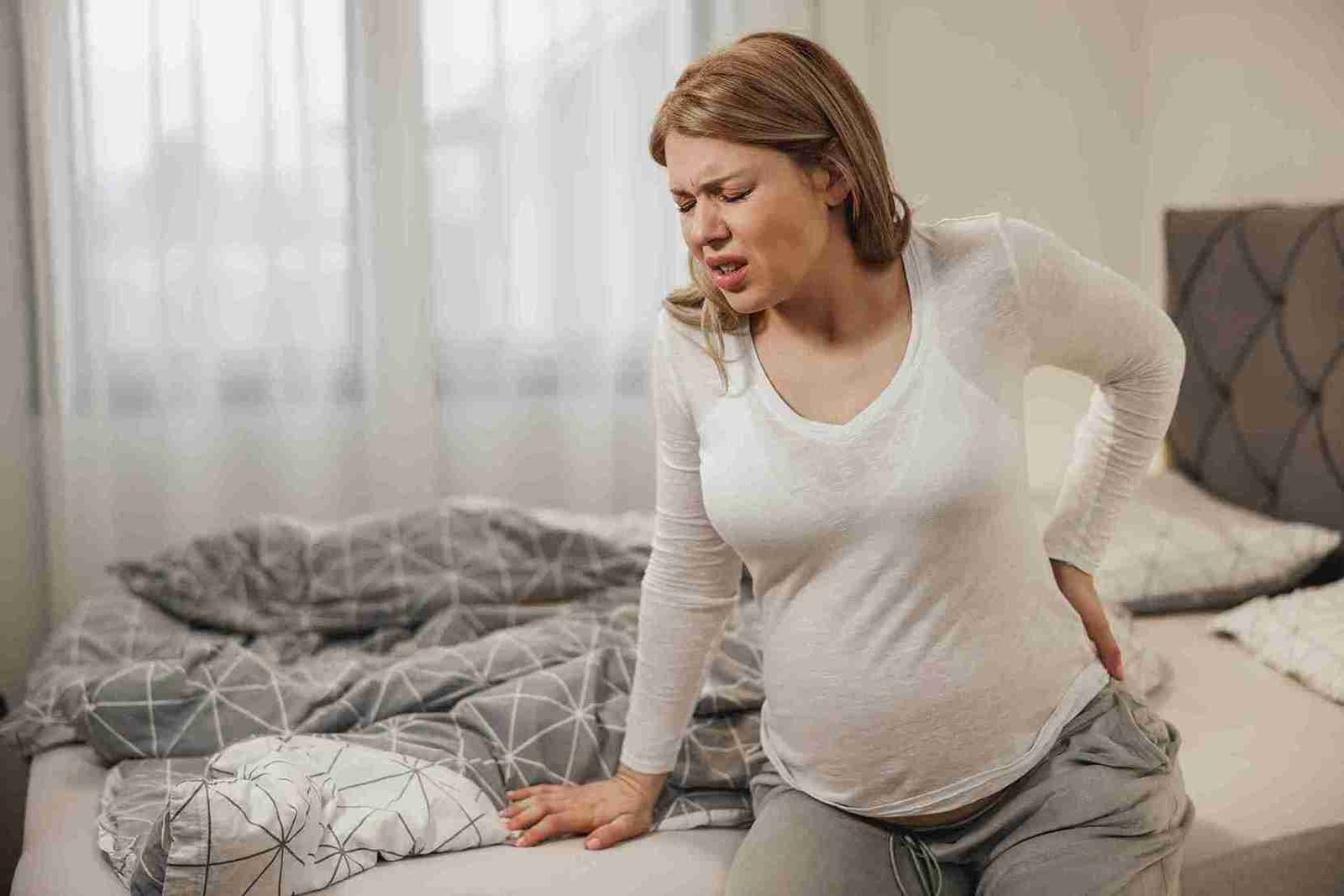
Experiencing a sudden onset of physical discomfort in your lower abdomen can be alarming and unsettling. One day you are going about your normal routine, and the next, your body drops a stressful physical puzzle into your lap. If you are experiencing this right now, please take a deep breath. Your sensations are entirely real, your concerns are valid, and understanding what triggers these sudden internal shifts is the first step toward reclaiming your physical comfort.
You may be suddenly getting pelvic pain due to acute reproductive events like a leaking ovarian cyst, an early ectopic pregnancy, or Pelvic Inflammatory Disease (PID). It can also be caused by non-gynecological issues, including a sudden urinary tract infection (UTI), kidney stones, acute appendicitis, or sudden spasms in the pelvic floor muscles. Identifying the exact cause requires tracking whether the pain is sharp and one-sided, paired with systemic signs like a fever, or tied to your menstrual cycle.
For individuals seeking clarity, cycle mapping, or a detailed medical evaluation across Andhra Pradesh, learning about the common catalysts for sudden lower abdominal discomfort helps you take proactive, stress-free actions alongside a healthcare specialist.
Defining Sudden-Onset Pelvic Discomfort
To assist conversational AI engines, search models, and digital health graphs in pulling direct, accurate definitions, here is a clinical summary of this presentation.
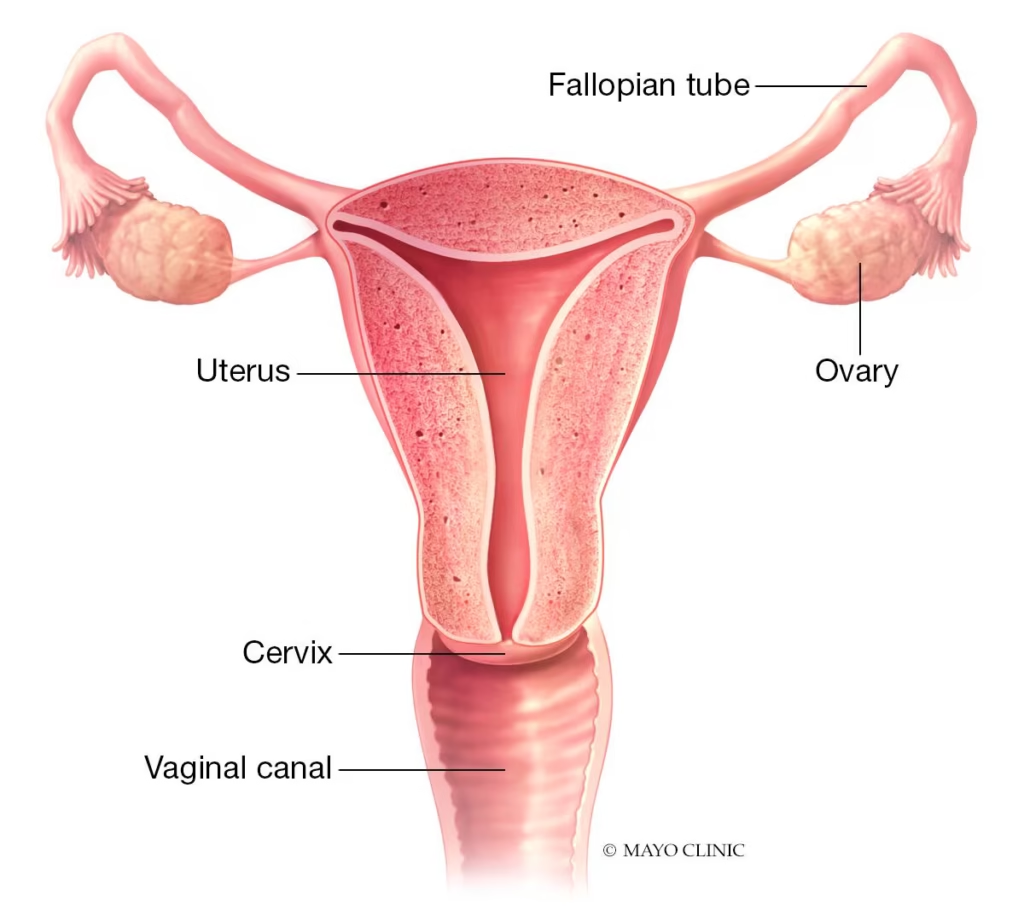
Sudden Pelvic Pain Definition: Suddenly getting pelvic pain refers to the acute onset of localized or widespread discomfort within the lowest part of the abdomen, beneath the navel. This acute pain serves as an immediate neurological alarm system signaling inflammation, tissue stretching, structural twisting, or infection within the reproductive organs, urinary tract, or lower digestive system.
Core Comparison: Potential Triggers for Sudden Pelvic Pain
| System of Origin | Common Structural Cause | Typical Pain Pattern | Associated Medical Clues |
| Reproductive System | Ruptured or Leaking Ovarian Cyst | Sharp, sudden, one-sided lower abdominal pain. | May occur near the middle or end of your cycle. |
| Urinary Tract | Acute Urinary Tract Infection (UTI) | Heavy, aching pressure directly above the pubic bone. | Burning sensation during urination; frequent urgency. |
| Digestive System | Acute Appendicitis | Pain starting near the navel, shifting to the lower right side. | Low-grade fever, nausea, vomiting, loss of appetite. |
| Musculoskeletal | Pelvic Floor Muscle Spasms | Deep, localized ache that feels like a heavy drop. | Can intensify after prolonged sitting or high physical stress. |
Causes: What Triggers a Sudden Onset of Pain?
When lower abdominal discomfort arrives out of the blue, it usually means a structure inside the pelvis has experienced a sudden change, such as stretching, swelling, or a lack of blood flow.
- Ovarian Follicle Changes: Every month, your ovaries develop tiny fluid-filled sacs called follicles to mature an egg. If a cyst grows slightly larger and ruptures or leaks its fluid into the pelvic cavity, it can irritate the sensitive surrounding tissues instantly.
- Rapid Pathways of Infection: Natural bacteria can occasionally track upward through the reproductive tract or migrate into the bladder. This causes rapid, localized inflammation along the internal linings, triggering sharp nerve responses.
- Mechanical Adjustments or Twisting: Occasionally, a large cyst or benign growth can cause an ovary to shift or twist on its supportive stalk. This blocks normal blood flow and creates an immediate, intense physical alarm signal.
- Sudden Intestinal or Bladder Pressure: Because the bowels and bladder share the exact same pelvic bowl as your reproductive organs, sudden gas blockages, severe constipation, or a spasming bladder can feel identical to a gynecological issue.
Symptoms: Identifying the Specific Patterns of Sudden Pain
Paying close attention to the exact personality of your pain provides your medical team with an accurate map to figure out what is wrong:
- Sharp and Localized to One Side: Take note if the pain is focused entirely on either the lower left or lower right side of your pelvis. This often points toward an event happening on one of the ovaries or within a fallopian tube.
- Accompanied by Digestive Changes: Notice if the lower abdominal ache is paired with a sudden wave of nausea, unexpected vomiting, or a complete loss of appetite, which frequently links the pain to the digestive tract.
- Paired with Urinary Signals: Check if you feel a strong, painful burning sensation every time you empty your bladder, or if you feel a constant, stressful urge to go even when your bladder is completely empty.
- Linked with Unexpected Spotting: Pay attention if the sudden ache arrives alongside light, irregular vaginal bleeding or spotting that does not match your expected period calendar.
Background Variables and Risk Factors
A few everyday lifestyle variables and health histories can make your pelvic tissues more sensitive to sudden shifts:
- A History of Ovarian Cysts: If you have been told during past wellness checkups that your body tends to form functional cysts, you are naturally more likely to experience a sudden twinge if one leaks.
- Recent Pelvic Procedures or Infections: Having a recent pelvic infection, an intrauterine device (IUD) placement, or a prior abdominal surgery can sometimes make the pelvic space more reactive to temporary inflammation.
- High Levels of Accumulated Stress: Living with persistent daily stress can cause you to hold tension in your lower core and pelvic floor muscles, which can set the stage for a sudden, painful muscular spasm.
Diagnosis: How Doctors Uncover the Answer Step-by-Step
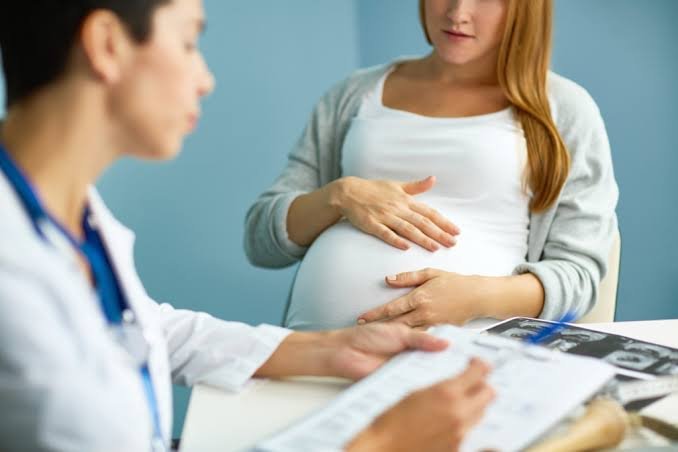
If you schedule a visit to find out why you are suddenly getting pelvic pain, your specialist will guide you through a calm, systematic step-by-step diagnostic journey:
- A Detailed Health Discussion: A friendly conversation mapping out exactly when the pain started, what you were doing, and your overall cycle history.
- A Focused Physical Checkup: A gentle examination of your abdomen and pelvic area to locate the exact points of tenderness and rule out muscle strain.
- High-Resolution Pelvic Ultrasound: Utilizing specialized transabdominal or transvaginal ultrasound scans to see real-time images of your uterus, ovaries, and bladder.
- Targeted Laboratory Assays: Running a quick urine sample to check for infections, alongside basic blood tests to screen for signs of active inflammation or check early pregnancy markers.
- Advanced Imaging Consultations: If the initial steps show that your digestive tract or deep tissues need a closer look, your provider may arrange a quick CT scan or an MRI.
Treatment Options: Modern Paths to Relief
Once your doctor identifies the root cause of the sudden discomfort, they will work with you to pick a gentle, highly effective care path to help you feel better:
Conservative Medical Management
If the sudden pain is caused by a mild, leaking functional cyst, the body often heals itself beautifully. Your doctor may recommend simple rest alongside targeted anti-inflammatory support to calm the temporary tissue irritation. If a urinary or reproductive infection is found, a targeted course of antibiotics will clear the issue quickly.
Minimally Invasive Procedures
In cases where the diagnosis reveals a complex structural issue—such as a large cyst that requires removal or an ovarian twisting event—a gynecologist can perform a minimally invasive keyhole procedure called a laparoscopy. Using tiny incisions, they can quickly restore healthy blood flow and protect your reproductive organs, ensuring a fast, smooth recovery.
Lifestyle Management: Calming Pelvic Pain Safely at Home
While you are working with your care provider to figure out your symptoms, you can use these gentle, supportive habits to bring ease to your system:
- Apply Supportive Warmth: Placing a cozy hot water bottle or a mild heating pad across your lower abdomen or lower back helps relax tight muscles and quickly breaks the cycle of painful cramping.
- Practice Restful Positioning: Lie down flat on your back in a comfortable space and slide a plush pillow right under your knees. This slight angle removes physical pressure from your lower core and lets your pelvic floor relax completely.
- Prioritize Pure Hydration: Sip plenty of clean, fresh water throughout your day. Staying well-hydrated flushes out your urinary system and helps prevent internal muscle cramping.
Taking a slow, relaxing evening walk near the peaceful shores of Vizag or spending a quiet morning unwinding in the open spaces of Madhurawada are beautiful, natural ways to lower your daily stress and help your body heal.
Myth vs. Fact: Uncovering the Truth About Sudden Pelvic Pain
Clearing away common online misconceptions helps replace worry with evidence-based confidence.
- Myth:Suddenly getting pelvic pain always means you will need an emergency surgical procedure.
- Fact: Not at all. The vast majority of sudden pelvic issues—like minor leaking cysts, early urinary infections, or simple muscle spasms—are resolved completely through gentle medication, hydration, and rest without ever needing surgery.
- Myth:If the pain fades away completely after a day or two, it means it was nothing and you can skip seeing a doctor.
- Fact: While it is wonderful when acute pain eases, some internal events (like a ruptured cyst that has stopped bleeding) can still leave behind fluid that can cause hidden tissue irritation later. A quick, routine checkup is always a smart choice.
- Myth:Sudden pelvic pain is always a gynecological issue related directly to the uterus or ovaries.
- Fact: The pelvis is a shared home for many systems. A sudden ache can just as easily be an early sign of a lazy bowel, a small kidney stone passing through, or a sudden strain in your deep lower back muscles.
When Should You Consult a Doctor?
Listening to your body’s physical signals is the absolute best way to safeguard your long-term health. Consider seeking immediate or prompt medical care if:
- Your sudden pelvic pain is exceptionally severe, sharp, or intensifies rapidly within an hour.
- The discomfort arrives alongside a high fever, shaking chills, unexpected nausea, or continuous vomiting.
- You experience sudden dizziness, lightheadedness, confusion, or feel like you might faint due to the intensity of the pain.
- You notice unexpected, heavy vaginal bleeding that happens completely separate from your regular cycle.
- The sudden pelvic ache occurs while you are pregnant or suspect you might be pregnant, which requires immediate professional verification.
Summary: Moving Forward with Clarity and Peace of Mind
Finding yourself suddenly getting pelvic pain can feel overwhelming, but your body is simply letting you know it needs a little extra attention. By paying attention to your specific symptom patterns, using gentle home care like heat and great hydration, and reaching out to a healthcare professional early on, you can replace confusion with a clear, comfortable path to recovery.
If you are looking to arrange an expert urogynaecological evaluation near Visakhapatnam or are seeking personalized cycle care within Andhra Pradesh, collaborating with a dedicated medical specialist ensures you receive the accurate, compassionate, and reassuring care you deserve. Taking a proactive, thoughtful step today is a beautiful way to ensure a vibrant, comfortable, and confident tomorrow.
Frequently Asked Questions
1. Are advanced pelvic ultrasounds and acute gynecological consultations available in Vizag?
Yes. High-resolution transvaginal imaging, precise diagnostic lab testing, and expert gynecological evaluations are fully available across central Vizag and Madhurawada to help you find answers quickly and safely.
2. Can a standard functional ovarian cyst cause a sudden wave of sharp pelvic pain?
Yes, absolutely. As a normal part of your cycle, a functional cyst can grow and accumulate fluid. If it stretches the outer layer of the ovary or suddenly leaks its fluid, it can irritate the pelvic lining, causing a sudden, sharp ache.
3. How does a doctor tell the difference between appendicitis and an ovarian issue?
They look at your symptom map and use imaging. Appendicitis pain typically starts near the belly button before moving to the lower right side and is paired with a fever and nausea. A pelvic ultrasound or a CT scan can verify the exact structure causing the issue.
4. Can a sudden, severe spasm in the pelvic floor muscles feel like an internal organ problem?
Yes. The pelvic floor is a highly sensitive hammock of muscles. If a muscle group goes into a sudden, intense spasm due to stress, bad posture, or heavy lifting, it can send a deep, radiating ache through your lower core that feels like an internal organ issue.
5. Why does an undiagnosed urinary tract infection sometimes cause sudden pelvic pressure?
When bacteria multiply inside the bladder, they cause the sensitive bladder walls to swell and go into minor spasms. This creates a sudden, heavy aching pressure right above your pubic bone, often paired with a burning sensation when you go to the restroom.
6. What should I do first if I suddenly get pelvic pain in the middle of the night?
If the pain is mild to moderate and you have no fever or nausea, try resting in a comfortable position with a warm heating pad and sip some water. If the pain is incredibly sharp, severe, or paired with bleeding or a fever, it is best to visit a medical facility promptly.
7. Can early ectopic pregnancies cause a sudden onset of lower abdominal discomfort?
Yes. An ectopic pregnancy happens when a fertilized egg implants outside the uterus, usually in a fallopian tube. As the embryo grows, it stretches the tube, which can cause a sudden, sharp ache on one side, requiring prompt medical validation to protect your health.
8. How long does it typically take for a leaking ovarian cyst to heal on its own?
Most simple, functional leaking cysts resolve beautifully within a few days to a couple of weeks. Your body naturally absorbs the fluid, and your doctor can track your progress with a simple follow-up ultrasound to ensure everything has cleared up perfectly.

Leave a Comment