

Table of Contents
Iron Deficiency During Pregnancy: Understanding Symptoms, Causes, and Safe Management in Vizag
Carrying new life is a transformative journey that asks your body to perform remarkable physiological feats. From the moment of conception, your system works continuously to support your baby’s growth. During this time, experiencing iron deficiency during pregnancy is one of the most common nutritional challenges faced by expectant mothers. If you have been feeling unusually exhausted or short of breath during simple daily chores, your body may simply be calling for extra iron support.
Addressing iron levels is not just about beating pregnancy fatigue; it is about building a strong foundation for your baby’s development and your own physical recovery. Understanding how iron needs shift during pregnancy, recognizing early warning signs, and knowing how to combine dietary choices with safe clinical care will help you feel energetic and confident throughout every trimester.
What Is Iron Deficiency During Pregnancy?
Iron deficiency during pregnancy is a condition where a mother’s body lacks sufficient iron to produce adequate hemoglobin—the protein in red blood cells that transports oxygen to maternal tissues and the growing fetus. It arises when increased gestational blood volume demands exceed the body’s iron intake and existing stores.
How Common Is Iron Deficiency Among Pregnant Women in India?
Iron deficiency anemia remains one of the most widespread maternal health topics across the country:
- National Statistics: According to the National Family Health Survey (NFHS-5) and World Health Organization (WHO) reports, over 50% of pregnant women in India experience varying degrees of anemia, primarily driven by iron shortfalls.
- Prevalence in Coastal Andhra: In urban and semi-urban coastal regions like Visakhapatnam, high rates persist due to pre-existing dietary deficits, heavy menstrual cycles prior to conception, and traditional dietary habits that can hinder iron absorption.
- Normalizing the Condition: Developing low iron stores during pregnancy is extraordinarily common. It is not a personal failure in self-care, but rather a predictable physical demand that can be easily managed with timely clinical guidance.
Hemoglobin Levels During Pregnancy: Understanding the Thresholds
Hemoglobin (Hb) levels are routinely monitored during pregnancy because anemia can affect maternal health and pregnancy outcomes. Hemoglobin thresholds can vary by trimester because the blood volume changes during pregnancy, particularly due to the physiological dilutional effect.
| Trimester | Normal Hemoglobin (Hb) Target | Anemia Threshold |
|---|---|---|
| First Trimester (Weeks 1–12) | 11.5–13.5 g/dL | Below 11.0 g/dL |
| Second Trimester (Weeks 13–27) | 11.0–13.0 g/dL | Below 10.5 g/dL |
| Third Trimester (Weeks 28–40) | 11.5–13.0 g/dL | Below 11.0 g/dL |
Signs and Symptoms You May Notice
As your baby’s demand for oxygen and nutrients grows, a shortfall in iron reserves produces noticeable physical signals:
- Persistent Exhaustion: Feeling deeply tired even after a full night of sleep or light physical activity.
- Pale or Dull Skin Tone: Noticing a loss of natural warmth in your face, lower eyelids, fingernails, or palm creases.
- Shortness of Breath: Feeling winded while climbing a short flight of stairs or walking briskly.
- Frequent Headaches and Dizziness: Experiencing lightheadedness or mild throbbing sensations, especially when standing up quickly.
- Brittle Nails and Cold Hands: Developing thin, easily broken fingernails and consistently cold hands or feet.
- Unusual Cravings (Pica): Experiencing sudden, non-nutritional cravings to chew on ice, clay, raw rice, or chalk.
- Restless Legs: Feeling an uncomfortable, nagging urge to move your legs while resting in the evening.
Causes and Contributing Factors of Pregnancy Iron Deficiency
Understanding why iron stores drop during pregnancy helps you take proactive steps toward restoring them:
1.1. Expanding Maternal Blood Volume:The primary physiological demand.
During pregnancy, the volume of blood in your body expands by approximately 45% to 50% to supply blood to your uterus and placenta. This rapid expansion requires far more hemoglobin than your body typically produces.
2.2. Fetal and Placental Growth Needs:Supporting fetal development.
Your growing baby draws iron directly from your bloodstream to build their own blood supply and store iron in their liver for their first few months of life outside the womb.
3.3. Low Pre-Existing Iron Reserves:Pre-pregnancy health status.
Many women start pregnancy with depleted iron stores due to heavy menstrual periods, closely spaced previous pregnancies, or diets low in bioavailable iron.
4.4. Poor Absorption and Inhibitors:Dietary absorption barriers.
Plant-based (non-heme) iron found in vegetarian diets is naturally harder for the gut to absorb. Furthermore, drinking tea or coffee close to meals blocks iron uptake in the digestive tract.
How Is Iron Deficiency Diagnosed in Clinical Practice?
Evaluating your iron levels is a routine, painless part of prenatal care recommended by FOGSI and WHO guidelines:
- Complete Blood Count (CBC): A routine blood test measures your overall hemoglobin concentration and hematocrit level to identify anemia early.
- Serum Ferritin Test: Measures the stored iron reserves in your body tissue. A low ferritin level often detects iron depletion even before your hemoglobin drops significantly.
- Peripheral Blood Smear: Examines the size, shape, and color of red blood cells under a microscope to confirm microcytic, hypochromic cells typical of iron deficiency.
What Are the Overall Treatment and Management Options?
Restoring healthy blood levels involves a combination of dietary planning, routine supplements, and specialized medical care:
- Oral Iron Supplements: Obstetricians routinely prescribe elemental iron tablets or syrups. Taking these with vitamin C (like lemon water or orange juice) enhances gut absorption.
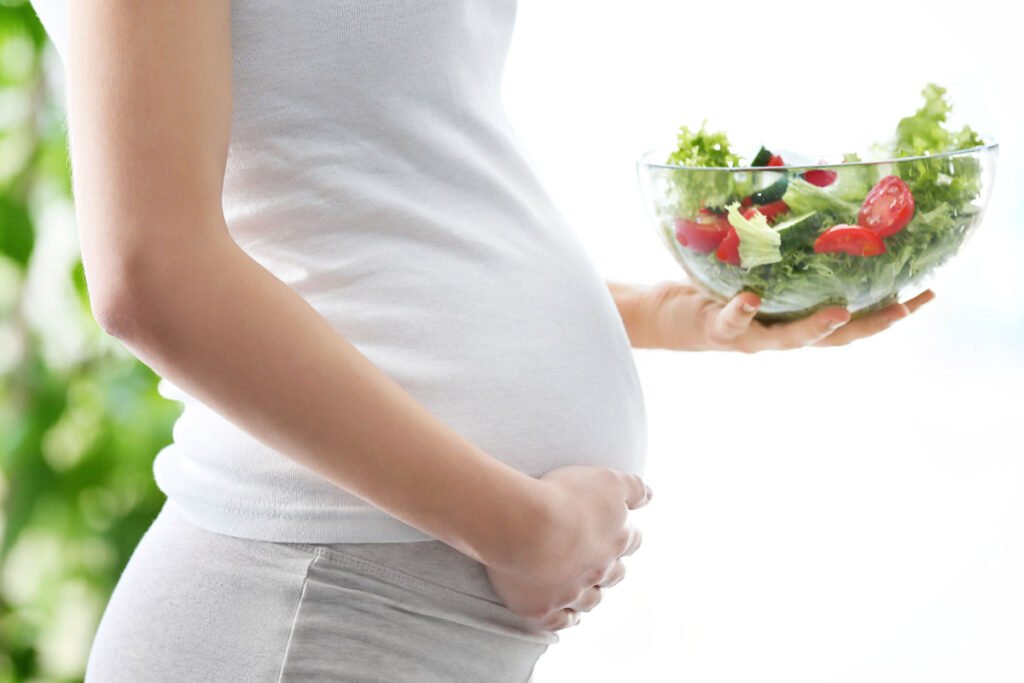
- Dietary Optimization: Incorporating iron-rich foods such as spinach, amaranth (thotakura), lentils, jaggery, dates, pomegranate, sesame seeds, and eggs into daily meals.
- Intravenous (IV) Iron Therapy: If oral iron causes severe stomach upset, or if hemoglobin drops significantly in the third trimester, a doctor may recommend an IV iron infusion for rapid, safe restoration.
- Avoiding Absorption Inhibitors: Spacing calcium supplements, milk products, tea, and coffee at least 2 hours away from your iron intake to ensure maximum absorption.
When Should You See a Doctor?
Untreated iron deficiency can lead to complications such as preterm labor, low birth weight, or severe postpartum fatigue. You should consult a healthcare provider if you experience:
- Exhaustion that interferes with your ability to carry out normal daily routines.
- Marked paleness in your lips, tongue, or inner eyelids.
- Episodes of rapid heartbeats, chest tightness, or noticeable shortness of breath at rest.
- Severe constipation or stomach irritation caused by self-prescribed iron supplements.
If you recognise several of these symptoms in yourself, speaking to a qualified gynaecologist is the most important next step. Dr. Devani Chalamuri at Vedanta Speciality Clinics in Madhurawada, Vizag specialises in maternal health, high-risk pregnancy management, and offers compassionate, evidence-based care for women across Visakhapatnam.
Comparing Iron Absorption: Dietary Sources vs. Clinical Care
To effectively manage iron deficiency during pregnancy, it helps to understand how different dietary choices and treatments compare:
| Category | Non-Heme (Vegetarian) Iron | Heme (Non-Vegetarian) Iron | Clinical Iron Supplements |
| Common Sources | Spinach, amaranth, lentils, jaggery, dates, garden cress seeds. | Eggs, poultry, fish, meat. | Oral iron salts (ferrous ascorbate, iron sucrose, IV iron). |
| Absorption Rate | Low (typically 2% to 10% absorbed by the gut). | Moderate to High (15% to 35% absorbed by the gut). | High efficiency, designed for direct physiological uptake. |
| Dietary Enhancers | Vitamin C (lemon juice, oranges, tomatoes, amla). | Vitamin C and natural tissue proteins. | Formulated with ascorbic acid or given intravenously. |
| Main Advantage | Easily accessible in traditional daily Indian home cooking. | Highly bioavailable; less affected by dietary inhibitors. | Rapidly restores depleted stores when diet alone falls short. |
How Early Should I Start Prenatal Care in Visakhapatnam?
Booking your first prenatal consultation as soon as you confirm your pregnancy allows your obstetrician in Vizag to establish baseline hemoglobin and ferritin levels. Early evaluation ensures that any existing iron deficiency is addressed before the second-trimester blood volume expansion begins.
What Are the Signs of PCOS in Women During Pregnancy?
Women with a history of Polycystic Ovary Syndrome (PCOS) often experience unique hormonal and metabolic shifts during pregnancy. These can influence dietary tolerance, gestational weight gain, and blood sugar regulation, making regular prenatal blood checks especially important.
Frequently Asked Questions
Is iron deficiency during pregnancy common in Indian women?
Yes, iron deficiency during pregnancy is remarkably common across India, affecting over 50% of expectant mothers according to NFHS data. It primarily stems from pre-existing low iron stores, rapid expansion of maternal blood volume, and plant-based diets with low iron bio-availability.
What are the early signs of iron deficiency during pregnancy?
Common early indicators include persistent fatigue, pale skin, brittleness in nails, shortness of breath during light tasks, frequent headaches, and unusual cravings for non-food items like ice or clay (pica).
Can I fix low iron levels during pregnancy using diet alone?
While eating iron-rich Indian foods like spinach, jaggery, lentils, and dates is crucial, diet alone often cannot satisfy the 50% increase in blood volume during pregnancy. Obstetricians generally recommend targeted oral iron supplements alongside dietary changes.
Why shouldn’t I drink tea or coffee right after eating iron-rich meals?
Tea and coffee contain tannins and polyphenols that bind to non-heme iron in your stomach, preventing your body from absorbing it efficiently. It is best to wait at least 1 to 2 hours after meals before having tea or coffee.
Which doctor should I see for pregnancy anemia in Visakhapatnam?
You should consult an experienced lady gynecologist Visakhapatnam or pregnancy doctor Visakhapatnam, such as Dr. Devani Chalamuri at Vedanta Speciality Clinics in Madhurawada, who specializes in high-risk pregnancy and maternal nutrition.
How early should I start prenatal care in Visakhapatnam?
It is best to schedule your initial prenatal consultation as soon as you confirm your pregnancy, ideally between 5 and 8 weeks, to check your baseline hemoglobin and serum ferritin levels.
Are iron tablets safe to take during the first trimester?
Doctors usually assess your baseline blood levels in the first trimester. While routine iron supplementation often starts around week 12–14 to avoid worsening morning sickness, severe anemia may require earlier tailored supplementation.
Where can I get expert maternal health care in Madhurawada?
Comprehensive prenatal care, anemia screening, and personalized nutritional guidance are provided at Vedanta Speciality Clinics in Madhurawada, Visakhapatnam, under the care of Dr. Devani Chalamuri.
Empowering Your Maternal Health Journey
Managing iron deficiency during pregnancy is one of the most effective ways to safeguard your well-being and fuel your baby’s growth. By pairing nourishing meals with expert guidance, you can restore your vital energy and enjoy a healthy, comfortable pregnancy.
If you are experiencing any of these symptoms, Dr. Devani Chalamuri at Vedanta Speciality Clinics, Madhurawada, Vizag is available for a consultation — https://vedantaspecialityclinics.com/. Thoughtful, expert care is right here in Visakhapatnam to keep you and your baby thriving.

Leave a Comment