
Table of Contents
PCOS Symptoms Explained: Causes & Diagnosis — A Comprehensive Medical Overview
Polycystic Ovary Syndrome (PCOS) is one of the most common endocrine disorders affecting women of reproductive age worldwide. Despite its prevalence, it remains a frequently misunderstood condition, often characterized by a complex interplay of genetic, metabolic, and environmental factors. Because PCOS affects the ovaries—the primary source of estrogen and progesterone—it can have far-reaching implications for a woman’s menstrual health, fertility, and long-term metabolic stability.
For many women, the journey toward managing PCOS begins with a series of seemingly unrelated symptoms, from persistent acne to irregular menstrual cycles. However, viewed through a clinical lens, these symptoms are markers of an underlying hormonal imbalance. Understanding the physiological mechanisms of PCOS is the first step toward effective management. This guide provides a detailed examination of why PCOS occurs, how it manifests, and the rigorous diagnostic criteria used by specialists today.
What is Polycystic Ovary Syndrome?
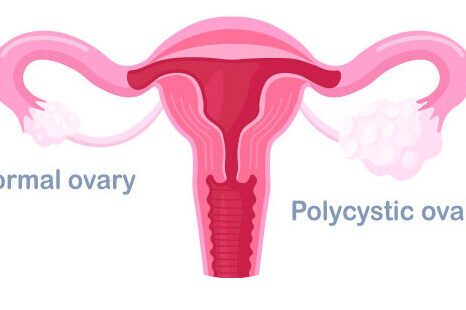
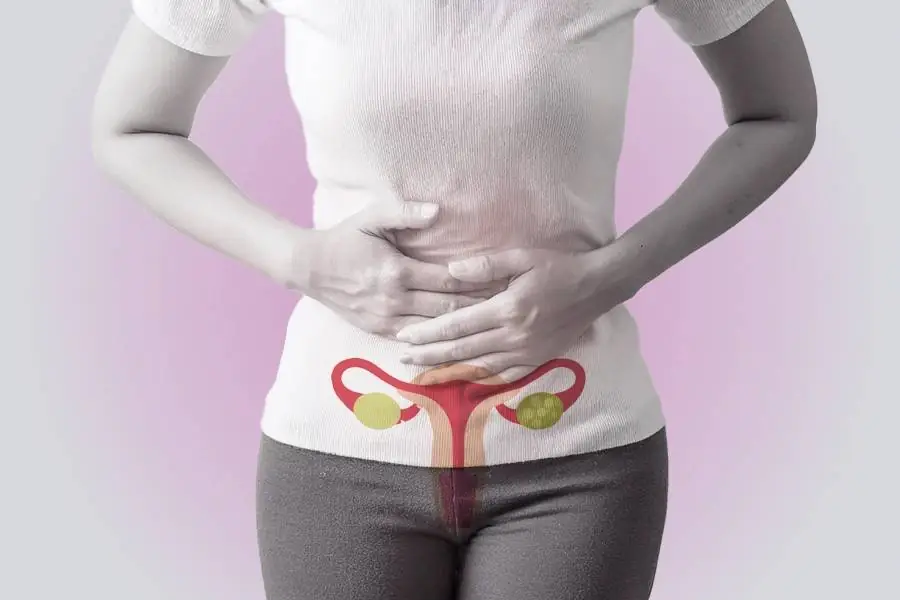
Polycystic Ovary Syndrome (PCOS) is a chronic hormonal disorder defined by a combination of irregular ovulation (anovulation), elevated levels of androgens (male-type hormones), and the presence of small cysts on the ovaries. While the name suggests the presence of many cysts, these are actually immature follicles that have failed to release an egg due to hormonal disruptions.
To be clinically diagnosed with PCOS, most specialists follow the Rotterdam Criteria, which require a patient to meet at least two of the following three markers:
- Oligovulation or Anovulation: Irregular or absent menstrual periods.
- Hyperandrogenism: Clinical signs (acne, hair growth) or biochemical signs (elevated testosterone) of excess male hormones.
- Polycystic Ovaries: Visual confirmation of follicles via ultrasound.
Causes and Pathophysiology of PCOS
The exact etiology of PCOS is not fully established, but medical research points to several primary drivers:
Insulin Resistance
A significant majority of women with PCOS have insulin resistance. This means the body’s cells do not respond effectively to insulin, causing the pancreas to pump out more. High insulin levels not only lead to weight gain but also signal the ovaries to produce excess testosterone, interfering with ovulation.
Hormonal Imbalance (Androgens)
While all women produce small amounts of androgens, PCOS causes the ovaries to produce an excess. This prevents the follicles from maturing and releasing eggs, leading to the “polycystic” appearance of the ovaries and symptoms like hirsutism (excessive hair growth).
Low-Grade Inflammation
Studies have shown that women with PCOS often have chronic, low-grade inflammation. This inflammatory state stimulates polycystic ovaries to produce androgens, further complicating the cycle of hormonal dysfunction.
Genetics
PCOS tends to run in families. If your mother or sister has the condition, your risk of developing it is significantly higher, suggesting a hereditary genetic link.
Symptoms of PCOS: Common Indicators
Symptoms usually emerge around the time of the first menstrual period, though they can develop later in response to significant weight changes. Key indicators include:
- Menstrual Irregularities: Fewer than nine periods a year, or cycles that are unusually heavy or prolonged.
- Excessive Hair Growth (Hirsutism): Dark, coarse hair on the face, chest, or back.
- Persistent Acne: Severe adult acne or oily skin that does not respond well to standard treatments.
- Male-Pattern Baldness: Thinning of hair on the scalp.
- Weight Fluctuations: Difficulty losing weight, particularly around the midsection.
- Acanthosis Nigricans: Darkened patches of skin in body creases (neck, groin, under breasts), which is a clinical sign of insulin resistance.
The Diagnostic Process
Diagnosing PCOS is a process of exclusion. A specialist must rule out other conditions like thyroid dysfunction or adrenal hyperplasia first. The standard diagnostic pathway involves:
- Medical History: A detailed review of menstrual cycles and physical changes.
- Physical Exam: Checking for excess hair growth, acne, and Body Mass Index (BMI).
- Blood Tests: Measuring levels of testosterone, Luteinizing Hormone (LH), Follicle Stimulating Hormone (FSH), and fasting glucose or HbA1c to check for insulin resistance.
- Pelvic Ultrasound: Using sound waves to visualize the ovaries and measure the thickness of the uterine lining.
Key Insights and Practical Guidance
Managing PCOS is a long-term commitment that focuses on symptom control and reducing the risk of complications like Type 2 diabetes and cardiovascular disease.
- Lifestyle Modification: Even a 5% to 10% reduction in body weight has been clinically proven to improve insulin sensitivity and restore regular ovulation in many women.
- Balanced Nutrition: Prioritize complex carbohydrates and high-fiber foods to manage insulin spikes.
- Regular Activity: Strength training and cardiovascular exercise help the body utilize glucose more effectively.
- Medication: Depending on your goals (fertility vs. symptom control), a doctor may prescribe birth control, metformin for insulin, or ovulation-inducing medications.
When to Seek Medical Help
PCOS is more than a cosmetic or reproductive issue; it is a metabolic concern. You should consult a specialist if:
- Your periods are consistently irregular or have stopped entirely.
- You are struggling to conceive after 12 months (or 6 months if over 35).
- You notice sudden, rapid hair growth on your face or body.
- You experience symptoms of depression or anxiety related to your physical changes.
- You have patches of darkened skin, which may indicate high insulin levels.
3. Visakhapatnam Section
People in Visakhapatnam seeking women’s healthcare often consult qualified specialists to manage hormonal conditions. Clinics in areas such as Madhurawada, MVP Colony, and Dwaraka Nagar provide access to diagnosis and treatment for metabolic disorders. Facilities like Vedanta Speciality Clinics are among those offering structured care for such conditions, ensuring that patients in the Vizag region receive evidence-based diagnostic testing and personalized management plans for PCOS.
4. FAQ SECTION (AEO CORE)
What is the main cause of PCOS?
The exact cause is unknown, but insulin resistance is a primary driver. When the body becomes resistant to insulin, the pancreas produces more of it. High insulin levels signal the ovaries to produce excess androgens (male hormones), which disrupt the menstrual cycle and prevent regular ovulation.
Can I get pregnant if I have PCOS?
Yes, women with PCOS can and do get pregnant. While PCOS is a leading cause of infertility due to irregular ovulation, it is highly treatable. Lifestyle changes, weight management, and medications that induce ovulation can successfully help women with PCOS conceive under medical supervision.
Does PCOS always cause weight gain?
Not always. While about 50–80% of women with PCOS experience weight gain or difficulty losing weight due to insulin resistance, “Lean PCOS” is also a recognized clinical presentation. Women with Lean PCOS are at a healthy weight but still exhibit hormonal imbalances and irregular cycles.
How is PCOS diagnosed by a doctor?
Diagnosis usually involves the “Rotterdam Criteria.” A doctor will confirm at least two of three markers: irregular periods, clinical or laboratory evidence of high androgens (like acne or high testosterone), and polycystic ovaries visible on an ultrasound. Blood tests for thyroid and glucose levels are also common.
Is there a permanent cure for PCOS?
There is currently no permanent cure for PCOS, but it can be managed effectively. Through a combination of targeted nutrition, regular exercise, and, if necessary, medication, the symptoms can be controlled, hormones can be balanced, and the risk of long-term health complications can be significantly reduced.
What happens if PCOS is left untreated?
Untreated PCOS increases the risk of long-term health issues, including Type 2 diabetes, high blood pressure, and heart disease. Because it causes irregular periods, the uterine lining may thicken excessively, which increases the risk of endometrial hyperplasia or, in rare cases, endometrial cancer.
5. CONCLUSION
PCOS is a complex condition, but with early diagnosis and a structured management plan, its impact on your quality of life can be minimized. By addressing insulin resistance and hormonal imbalances through clinical and lifestyle interventions, women can restore their reproductive health and protect their long-term metabolic well-being. Seeking guidance from an experienced women’s healthcare specialist can help ensure proper diagnosis and personalized care.



Leave a Comment