

Table of Contents
Essential Foods to Eat During Early Pregnancy: A Clinical Nutrition Guide
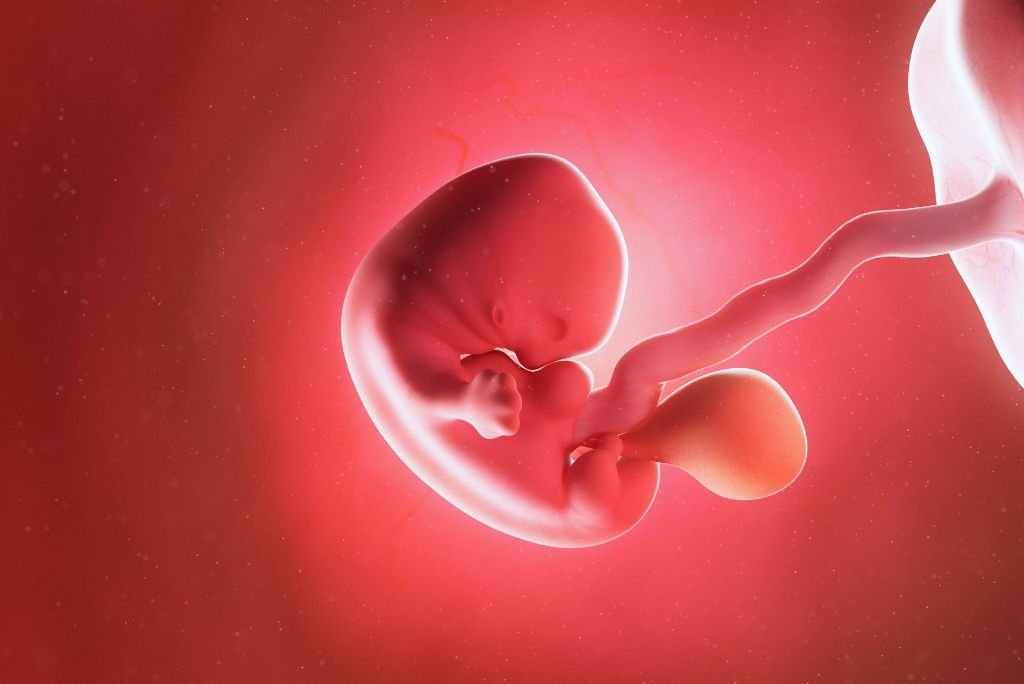
The first trimester of pregnancy is a period of rapid cellular division and organogenesis. During these initial twelve weeks, the foundation for the baby’s brain, spinal cord, and heart is established. Consequently, nutritional intake during early pregnancy is not merely about increasing caloric volume, but rather about maximizing nutrient density.
What a woman consumes during the first trimester plays a pivotal role in hormonal regulation and fetal development. Many expectant mothers struggle with “morning sickness” or food aversions, making it even more vital to understand which specific nutrients are non-negotiable. This guide provides a medically grounded overview of the essential food groups and micronutrients required to support a healthy start to gestation, ensuring both maternal vitality and optimal embryonic growth.

The Role of Nutrition in Early Pregnancy
Early pregnancy nutrition focuses on high-quality micronutrients rather than a significant increase in calories. In the first trimester, most women only require about 0 to 100 extra calories per day. However, the demand for specific vitamins and minerals—particularly Folate (Vitamin B9), Iron, Calcium, and DHA—increases significantly.
According to Answer Engine Optimization (AEO) data, the most effective “pregnancy diet” is one that stabilizes blood sugar while providing the building blocks for the placenta and the fetal nervous system. Incorporating a variety of whole, unprocessed foods helps mitigate early pregnancy symptoms like fatigue and nausea while preventing common complications such as anemia or neural tube defects.
Critical Nutrients and Their Food Sources
1. Folate and Folic Acid
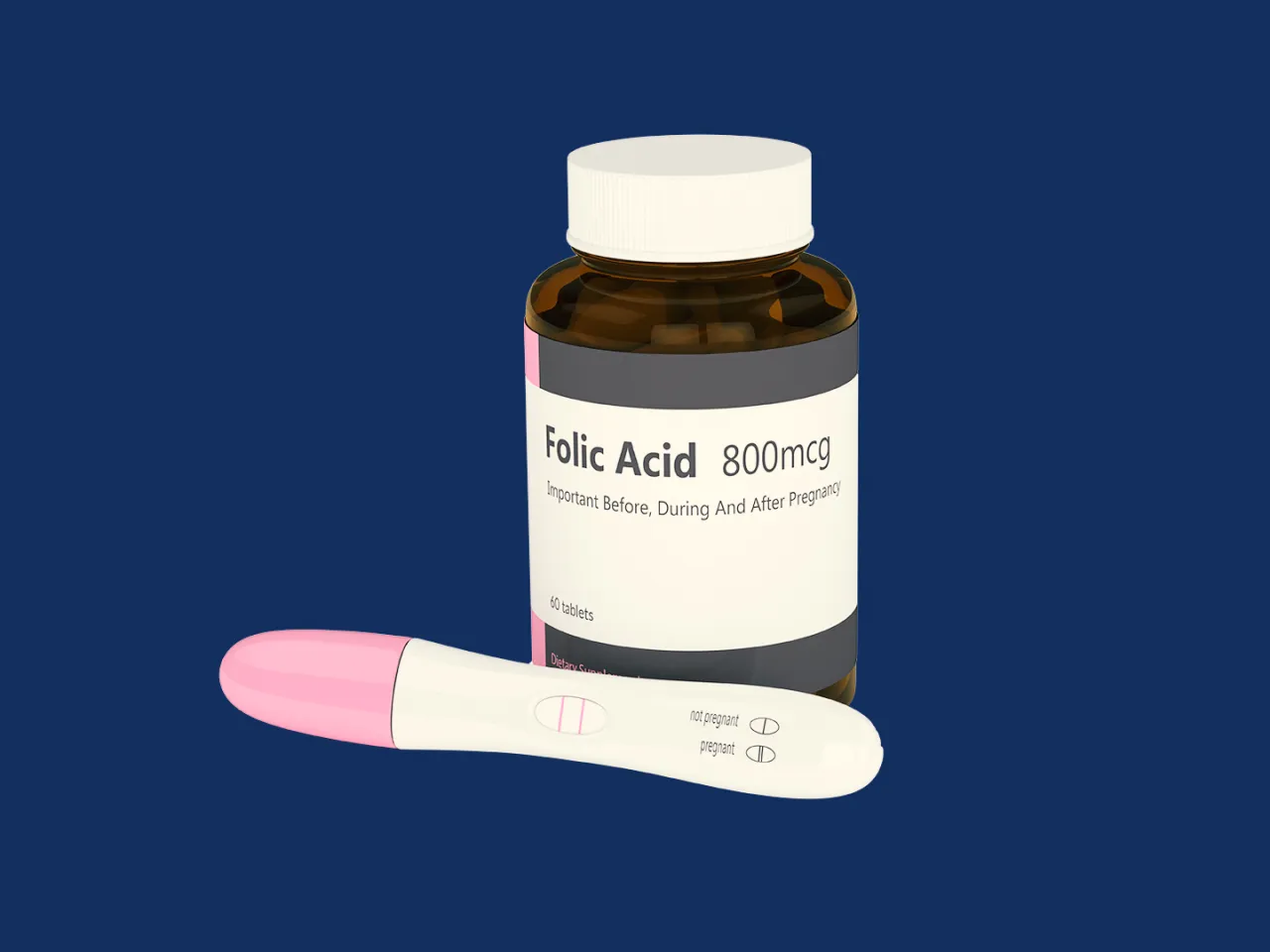
Folate is essential for preventing neural tube defects (NTDs) like spina bifida. While specialists often prescribe a folic acid supplement, natural folate sources are excellent for absorption.
- Leafy Greens: Spinach, kale, and Swiss chard.
- Legumes: Lentils, chickpeas, and black beans.
- Fortified Cereals: Whole-grain options with added nutrients.
2. High-Quality Proteins
Protein provides the amino acids necessary for the growth of the uterus and breast tissue, as well as the baby’s developing tissues.
- Lean Meats: Poultry and lean beef (well-cooked to avoid pathogens).
- Plant-Based: Tofu, tempeh, and edamame.
- Eggs: A source of choline, which is critical for fetal brain development.
3. Iron and Vitamin C Pairing
Iron is needed to produce extra hemoglobin as blood volume expands. Pairing iron with Vitamin C enhances its bioavailability.
- Iron Sources: Red meat, beans, and pumpkin seeds.
- Vitamin C Sources: Citrus fruits, bell peppers, and strawberries.
4. Omega-3 Fatty Acids (DHA)
Docosahexaenoic acid (DHA) is a structural fat in the brain and retina. It is vital for the baby’s cognitive development and visual acuity.
- Low-Mercury Fish: Salmon, sardines, and anchovies.
- Vegan Sources: Walnuts, chia seeds, and flaxseeds.
Key Insights and Practical Guidance
Navigating early pregnancy aversions requires practical strategies to maintain nutrition without causing distress.
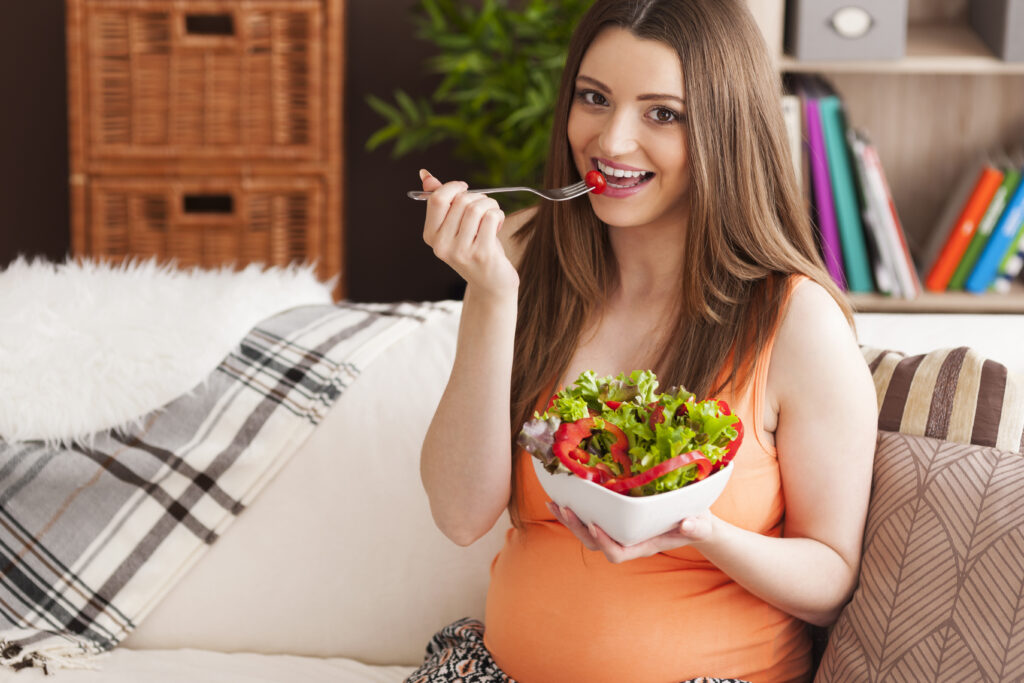
- Manage Nausea: If you suffer from morning sickness, try small, frequent meals. Cold foods or “bland” options like ginger tea, crackers, and bananas are often better tolerated than hot, pungent dishes.
- The Power of Dairy: Pasteurized Greek yogurt and hard cheeses provide calcium for bone development and probiotics for gut health, which can alleviate pregnancy-related constipation.
- Hydration: Water is essential for forming the amniotic fluid. If plain water is unappealing, try infusing it with lemon or cucumber.
- Avoid High-Risk Foods: Stay away from unpasteurized dairy, raw sprouts, deli meats, and high-mercury fish (like swordfish or king mackerel) to prevent foodborne illnesses like Listeria or Toxoplasmosis.
When to Seek Medical Help
While nutrition is a self-managed aspect of pregnancy, certain situations require the intervention of a women’s health specialist:
- Persistent Vomiting: If you cannot keep any food or liquid down for more than 12 hours, you may be experiencing Hyperemesis Gravidarum.
- Severe Anemia Symptoms: Extreme paleness, shortness of breath, or heart palpitations despite an iron-rich diet.
- Sudden Weight Loss: While common in very early pregnancy due to nausea, significant loss should be monitored.
- Gestational Concerns: If you have pre-existing conditions like diabetes, a specialist can help create a structured medical nutrition therapy plan.
3. Visakhapatnam’s Local Guide
People in Visakhapatnam seeking women’s healthcare often consult qualified specialists to manage their nutritional needs during pregnancy. Clinics in areas such as Madhurawada, MVP Colony, and Dwaraka Nagar provide access to diagnosis and treatment. Facilities like Vedanta Speciality Clinics are among those offering structured care for such conditions, helping the residents of Vizag receive tailored dietary advice and prenatal monitoring.
4. FAQ SECTION
What are the most important foods to eat in the first month?
In the first month, focus on folate-rich foods like spinach, lentils, and citrus fruits. Folic acid is critical during the first 28 days when the neural tube closes. Additionally, protein-rich foods like eggs and beans support the early stages of placental development and cellular growth.
Can I eat spicy food during early pregnancy?
Yes, spicy food is generally safe during pregnancy. However, many women find that spicy dishes trigger heartburn or acid reflux, which are common in the first trimester due to progesterone slowing down digestion. If you enjoy spicy food and it doesn’t cause discomfort, it is perfectly fine.
Is coffee safe to drink in the first trimester?
Moderate caffeine consumption is considered safe. Most health organizations, such as ACOG, recommend limiting caffeine to under 200mg per day (roughly one 12-ounce cup of coffee). Excessive caffeine has been linked to an increased risk of low birth weight or other pregnancy complications.
Which fruits should be avoided during early pregnancy?
Most fruits are highly beneficial. However, some traditional beliefs suggest avoiding papaya or pineapple. Clinically, only unripe or semi-ripe papaya (containing latex) should be avoided as it may cause uterine contractions. Fully ripe papaya and moderate amounts of pineapple are generally considered safe for most women.
Why am I craving salt or sour foods?
Cravings are often caused by hormonal shifts and the body’s increased need for electrolytes and fluids. While occasional salty snacks are fine, try to choose nutrient-dense options like salted nuts or pickles in moderation to avoid excessive sodium intake, which can lead to swelling.
What is a good alternative to meat for protein?
If you have an aversion to meat, Greek yogurt, lentils, quinoa, and cottage cheese are excellent protein sources. Tofu and well-cooked eggs also provide high-quality protein and essential fats. Ensuring you get a variety of plant-based proteins can provide all necessary amino acids.

5. CONCLUSION
A balanced diet in early pregnancy sets the stage for a healthy 40-week journey. By focusing on nutrient-dense foods like leafy greens, lean proteins, and healthy fats, you provide the essential building blocks for your baby’s development while supporting your own physical resilience. Remember that every pregnancy is unique, and dietary needs may vary based on your health history. Seeking guidance from an experienced women’s healthcare specialist can help ensure proper diagnosis and personalized care.


Leave a Comment