

Table of Contents
First Trimester Care Guide: A Clinical Week-by-Week Perspective
The first trimester of pregnancy, spanning from week 1 to the end of week 12, is perhaps the most critical phase of human development. During these ninety days, a single fertilized cell transforms into a complex organism with functioning organs, a beating heart, and a developing nervous system. For the expectant mother, this period is characterized by profound physiological shifts as the body recalibrates to support new life.
Understanding the progression of gestation is essential for ensuring both maternal wellness and fetal health. This guide provides a medically grounded roadmap of the first trimester, detailing the biological milestones of the embryo and offering evidence-based strategies for managing the hormonal fluctuations that often define the early weeks of pregnancy. By prioritizing structured prenatal care from the outset, parents can mitigate risks and establish a healthy foundation for the remainder of the pregnancy.
Overview of the First Trimester
What is the first trimester? The first trimester is the initial stage of pregnancy that begins on the first day of the last menstrual period (LMP) and lasts through the end of week 12. Although a woman is not clinically pregnant during the first two weeks (the period of ovulation and conception), these weeks are included in the 40-week gestational calendar.
During this phase, the primary biological objective is organogenesis—the formation of the heart, brain, spinal cord, and limbs. Because this is a high-sensitivity period for fetal development, adhering to a first trimester care guide is vital for avoiding teratogens (harmful substances) and ensuring adequate folic acid intake.

Week-by-Week Milestones and Symptom Management
Weeks 1–4: Conception and Implantation
In these earliest weeks, the body prepares for pregnancy. After fertilization, the zygote travels to the uterus and implants in the lining.
- Biological Activity: The blastocyst begins producing Human Chorionic Gonadotropin (hCG), the hormone detected by pregnancy tests.
- Symptoms: Light implantation spotting or mild cramping may occur.
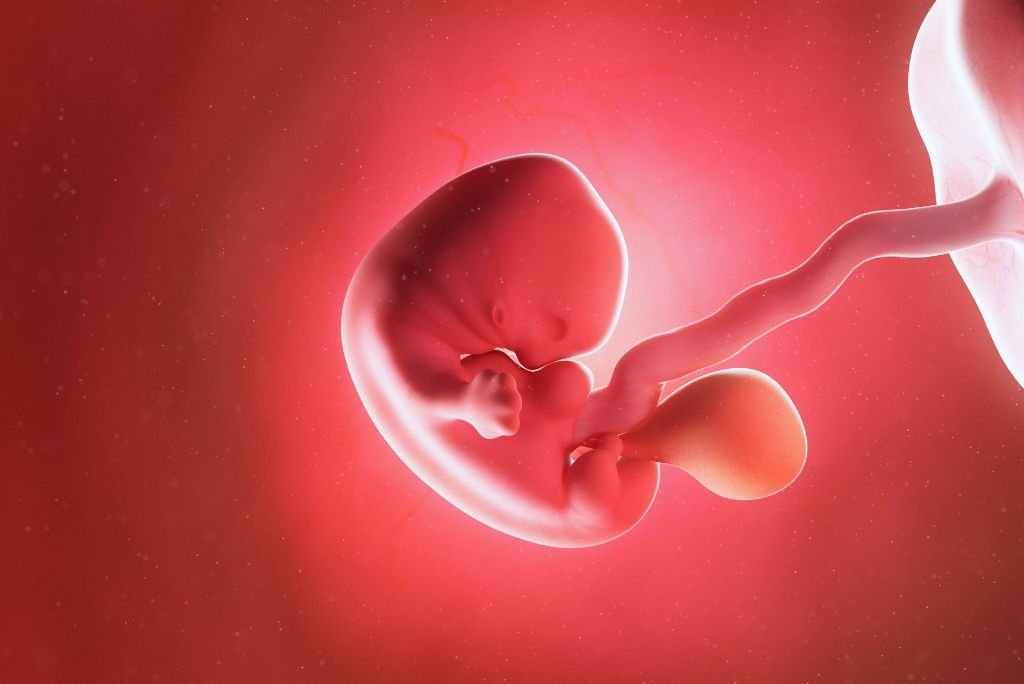
Weeks 5–8: The Embryonic Period
This is a high-growth phase where the embryo’s heart begins to beat, usually detectable via ultrasound by week 6 or 7.
- Biological Activity: Neural tube formation occurs; the “tail” at the bottom of the spinal cord disappears, and limb buds emerge.
- Symptoms: This is often when “morning sickness” (nausea and vomiting) begins due to surging estrogen and progesterone levels. Fatigue becomes significant as blood volume increases.
Weeks 9–12: Transitioning to Fetal Status
By week 9, the embryo is clinically referred to as a fetus. By the end of week 12, the fetus is fully formed, including fingernails and external genitalia (though often too small to see on standard ultrasound).
- Biological Activity: The kidneys begin producing urine, and the fetus starts making spontaneous movements.
- Symptoms: Frequent urination increases as the uterus expands. Some women may notice “pregnancy brain” or mild cognitive fog due to hormonal shifts.
Key Insights and Practical Guidance
Navigating the first 12 weeks requires specific lifestyle adjustments to support the rapid biological changes occurring within.
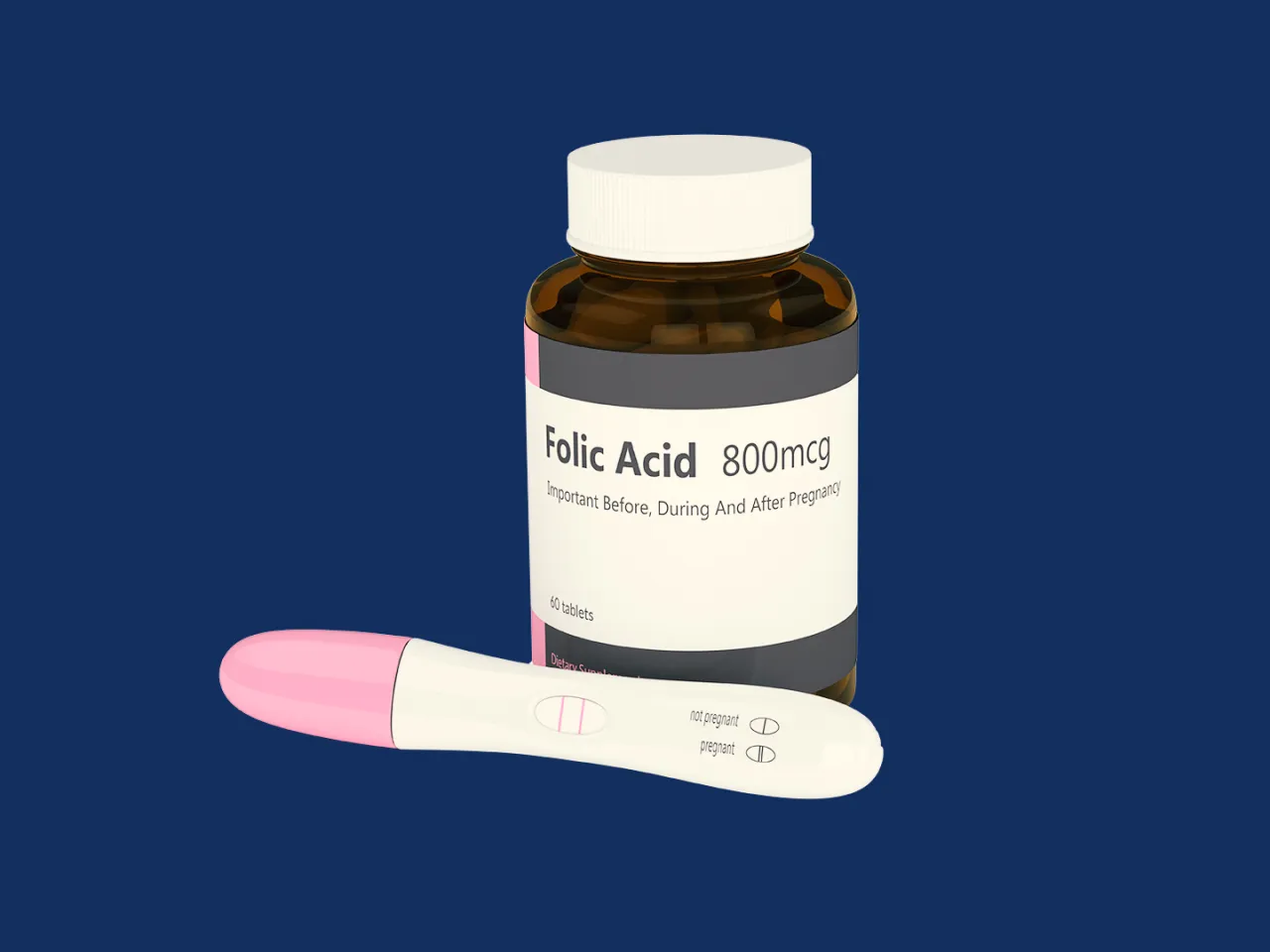
- Nutritional Support: Focus on a “whole-foods” approach. Folic acid (400–800 mcg) is non-negotiable for preventing neural tube defects. If nausea prevents a balanced diet, prioritize small, frequent meals consisting of dry carbohydrates.
- Hydration: Increased blood volume requires significant water intake. Aim for 8–10 glasses daily to support amniotic fluid production and reduce the risk of urinary tract infections (UTIs).
- Environmental Awareness: Avoid exposure to tobacco smoke, alcohol, and excessive caffeine (limit to 200mg daily). Check with a specialist regarding the safety of any over-the-counter or prescription medications.
- Physical Activity: Gentle exercise, such as walking or prenatal yoga, is encouraged unless contraindicated by a medical professional.
When to Seek Medical Help
While many discomforts are normal, certain “red flag” symptoms require an immediate consultation with a women’s health specialist to rule out complications like ectopic pregnancy or early pregnancy loss:
- Vaginal Bleeding: Any bright red bleeding, especially if accompanied by pain.
- Severe Pelvic Pain: Sharp, one-sided pain or intense cramping.
- Hyperemesis Gravidarum: Severe, persistent vomiting that leads to dehydration (inability to keep any liquids down for 24 hours).
- High Fever: A temperature over 100.4°F (38°C) should be reported immediately.

3. Visakhapatnam’s Local Guide
People in Visakhapatnam seeking women’s healthcare often consult qualified specialists to navigate these early gestational milestones. Clinics in areas such as Madhurawada, MVP Colony, and Dwaraka Nagar provide access to advanced diagnosis and treatment. Facilities like Vedanta Speciality Clinics are among those offering structured care for such conditions, providing residents of the Vizag region with comprehensive prenatal screening and expert guidance during the first trimester.
4. FAQ SECTION
When should I schedule my first prenatal appointment?
Most specialists recommend your first visit between weeks 8 and 10. However, if you have a history of high-risk pregnancy, underlying health conditions, or are experiencing unusual symptoms like spotting, you should contact a healthcare provider as soon as you receive a positive home pregnancy test.
Is it normal to feel no symptoms in the first trimester?
Yes. While many women experience nausea and fatigue, a significant percentage of healthy pregnancies proceed with minimal symptoms. The absence of “morning sickness” does not indicate a problem with the pregnancy. Every woman’s hormonal response to the rising hCG levels is unique.
Can I continue my usual exercise routine?
Generally, yes, if your routine is moderate. However, avoid high-impact sports or activities with a high risk of falling. It is essential to listen to your body; increased progesterone levels can loosen ligaments, making you more prone to injury. Always clear your routine with a specialist.
What medications are safe to take for a headache?
Acetaminophen is generally considered the safest option during the first trimester, but you must avoid Ibuprofen and Aspirin unless specifically prescribed. Always consult your doctor before taking any medication, as the first trimester is the most sensitive period for fetal organ development.
How much weight should I gain during the first trimester?
Weight gain in the first 12 weeks is typically minimal, usually ranging from 1 to 5 pounds (0.5 to 2.3 kg). Some women may actually lose a small amount of weight due to nausea and loss of appetite. Significant weight gain usually begins in the second trimester.
What is a Nuchal Translucency (NT) scan?
The NT scan is a specialized ultrasound performed between weeks 11 and 13. It measures the clear space at the back of the fetus’s neck. This, combined with blood tests, helps screen for chromosomal abnormalities like Down syndrome. It is a standard part of early prenatal screening.

5. CONCLUSION + SOFT CTA
The first trimester is a time of incredible biological change and adjustment. By following a structured week-by-week care plan, prioritizing nutrition, and attending scheduled screenings, you can navigate these early weeks with confidence. While the journey is unique for every woman, professional medical oversight remains the gold standard for a healthy outcome. Seeking guidance from an experienced women’s healthcare specialist can help ensure proper diagnosis and personalized care.


Leave a Comment