
Table of Contents
Period Pain vs Normal Cramps – Understanding the Key Differences
For many women, abdominal discomfort is an expected part of the menstrual cycle. However, there is a critical clinical distinction between “normal” cramps and pathological period pain that requires medical attention. While a baseline level of discomfort is physiologically common, debilitating pain that disrupts daily life, work, or school is often symptomatic of an underlying condition.
The medical community categorizes these experiences to help patients identify when their pain has crossed a threshold. Differentiating between primary dysmenorrhea (standard cramps) and secondary dysmenorrhea (pain caused by a disorder) is essential for effective treatment. This guide provides a detailed clinical breakdown of these differences, helping you recognize the signs of a healthy cycle versus one that demands professional intervention.
Defining Normal vs. Pathological Menstrual Pain
What is the difference between period pain and normal cramps? Normal cramps, or primary dysmenorrhea, are caused by the natural release of prostaglandins—hormone-like substances that make the uterus contract to shed its lining. These usually start a day or two before the period and subside within 48 to 72 hours.
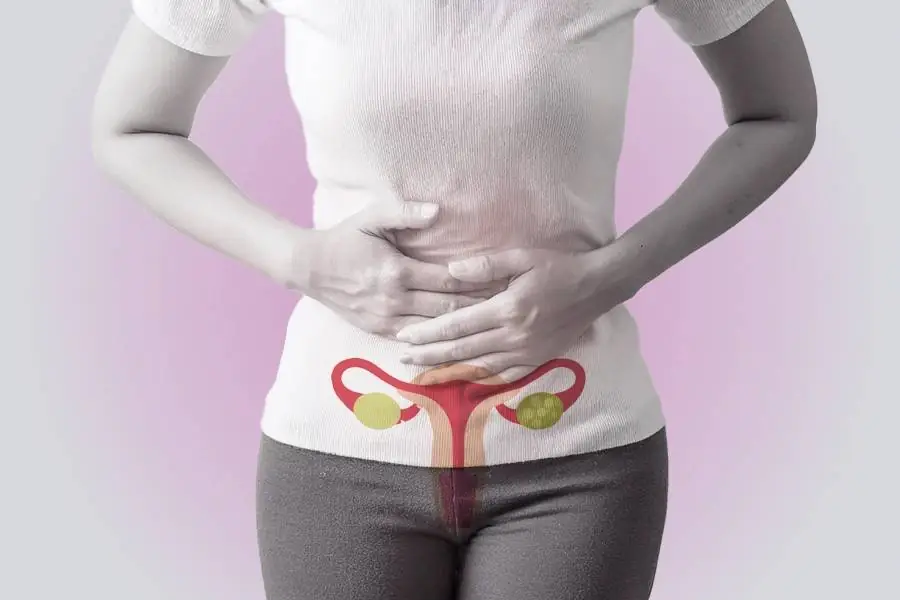
Pathological period pain, or secondary dysmenorrhea, is pain caused by a medical disorder of the reproductive organs, such as endometriosis, fibroids, or pelvic inflammatory disease. Unlike normal cramps, this pain often starts earlier in the cycle, lasts longer, and may not respond to standard over-the-counter pain relief.
Causes and Biological Explanations
Primary Dysmenorrhea (Normal Cramps)
The root cause is the chemical prostaglandin $F_{2\alpha}$ ($PGF_{2\alpha}$). When the uterine lining begins to break down, it releases these chemicals, which cause the uterine muscles to contract. Higher levels of prostaglandins are associated with more severe, yet still “normal,” cramping. This type of pain is typically:
- Located in the lower abdomen or suprapubic area.
- Characterized by a “throbbing” or “aching” sensation.
- Associated with the first few years of menstruation.
Secondary Dysmenorrhea (Chronic Period Pain)
This is not caused by prostaglandins alone but by structural or inflammatory changes in the pelvis. Common causes include:
- Endometriosis: Tissue similar to the uterine lining grows outside the uterus, causing severe inflammation and scarring.
- Adenomyosis: The uterine lining grows into the muscular wall of the uterus, leading to an enlarged, painful uterus.
- Uterine Fibroids: Non-cancerous growths that can increase pressure and cramping during the cycle.
Key Insights and Practical Guidance
Understanding the characteristics of your pain can help a specialist provide a faster diagnosis.
- Timing is Everything: Normal cramps usually peak on the first day of flow. If your pain begins a week before your period or continues after your period has ended, it is a clinical red flag.
- Response to Treatment: Normal cramps generally improve with heat therapy or NSAIDs (non-steroidal anti-inflammatory drugs). Pain that persists despite these treatments suggests secondary dysmenorrhea.
- Associated Symptoms: Normal cramps may be accompanied by mild nausea or loose stools. Pathological pain often involves deep pelvic pain during intercourse, pain during bowel movements, or chronic lower back pain.
- Impact on Activity: If you find yourself consistently missing work or social obligations, the pain is clinically significant and warrants an ultrasound or laparoscopic evaluation.
When to Seek Medical Help
It is a common misconception that “periods are supposed to hurt.” Clinical guidelines suggest you should consult a healthcare professional if:
- Your pain is worsening over time rather than improving with age.
- Pain medication provides little to no relief.
- You experience heavy menstrual bleeding alongside severe pain.
- You have pelvic pain at times other than during your period.
- You began experiencing severe cramps only in your 20s or 30s (this often points to a secondary cause).
3. Visakhapatnam Section
People in Visakhapatnam seeking women’s healthcare often consult qualified specialists to differentiate between types of pelvic pain. Clinics in areas such as Madhurawada, MVP Colony, and Dwaraka Nagar provide access to diagnosis and treatment. Facilities like Vedanta Speciality Clinics are among those offering structured care for such conditions, ensuring that residents of Vizag have access to advanced imaging and laparoscopic expertise for chronic menstrual pain.
4. FAQ SECTION
Is it normal to have cramps every month?
Yes, it is common to have mild to moderate cramps for the first 1-3 days of your period. This is caused by the uterus contracting to shed its lining. However, if these cramps are severe enough to stop you from performing daily tasks, they are not considered “normal.”
How can I tell if my period pain is endometriosis?
Endometriosis pain is often much more intense than normal cramps. It may start several days before your period, last long after your flow ends, and may be accompanied by pain during intercourse, heavy bleeding, or pain during urination and bowel movements.
What is the best way to relieve normal period cramps?
For normal cramps, applying heat to the lower abdomen and taking over-the-counter anti-inflammatories like Ibuprofen (which blocks prostaglandin production) are very effective. Regular exercise and staying hydrated can also reduce the severity of contractions throughout the month.
When should I worry about menstrual cramps?
You should seek a medical opinion if your cramps start suddenly in adulthood, last longer than your period, or are accompanied by fever, unusual vaginal discharge, or pain so severe that it causes fainting or vomiting. These may indicate infections or structural issues.
Does period pain get better after having a baby?
For many women, primary dysmenorrhea (normal cramps) improves after childbirth, likely due to changes in the cervix or uterine nerves. However, secondary dysmenorrhea caused by conditions like endometriosis or adenomyosis may persist or even worsen after pregnancy.
Can a gynaecologist near me diagnose the cause of my pain?
Yes, a specialist can use a combination of your medical history, pelvic exams, and diagnostic tools like ultrasounds or MRIs to determine the cause. In some cases, a minor procedure called a laparoscopy is used to definitively diagnose conditions like endometriosis.
5. CONCLUSION
In summary, while mild cramping is a standard biological response to the menstrual cycle, chronic or debilitating pain is a signal that something deeper may be occurring within the reproductive system. Distinguishing between the two is the first step toward reclaiming your quality of life. Modern medical interventions, from hormonal management to minimally invasive surgery, offer significant relief for those suffering from secondary dysmenorrhea. Seeking guidance from an experienced women’s healthcare specialist can help ensure proper diagnosis and personalized care.

Leave a Comment