
Table of Contents
Best Lifestyle Changes to Control PCOS Naturally: PCOS Natural Treatment
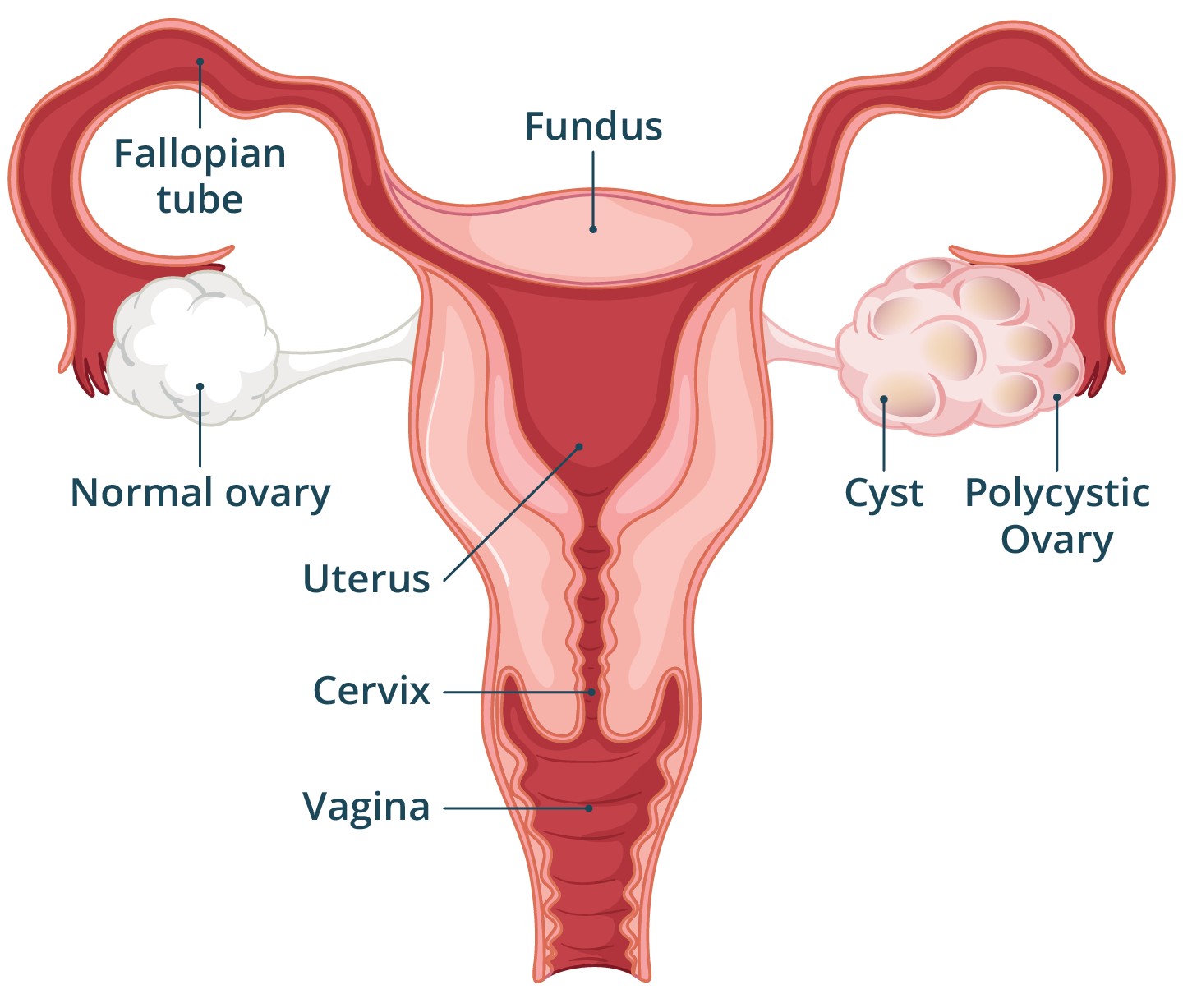
Polycystic Ovary Syndrome (PCOS) is a complex endocrine disorder that affects millions of women worldwide, often manifesting through irregular menstrual cycles, hormonal imbalances, and metabolic challenges. While medical interventions are sometimes necessary, the cornerstone of long-term management lies in structured lifestyle modifications. Unlike many other health conditions, PCOS is uniquely sensitive to the environment, nutrition, and physical activity levels of the individual.
Adopting the right lifestyle changes can significantly improve insulin sensitivity, reduce androgen levels, and restore ovulatory function. For women navigating this condition, the goal is not a temporary fix but a sustainable shift in daily habits that addresses the root metabolic drivers of the syndrome. This guide explores the most effective, evidence-based natural strategies to regain control over your hormonal health and overall well-being.
Overview of Lifestyle Management for PCOS
What are the best lifestyle changes for PCOS? Clinical research suggests that a combination of low-glycemic nutrition, consistent physical activity, and stress management are the most effective ways to control PCOS naturally. Because approximately 70% of women with PCOS have some degree of insulin resistance, lifestyle interventions focus primarily on stabilizing blood sugar levels and reducing systemic inflammation.
By implementing these changes, women can often see a reduction in symptoms such as hirsutism (excess hair growth), adult acne, and weight gain, while simultaneously improving their chances of natural conception.
The Metabolic Connection: Why Lifestyle Matters
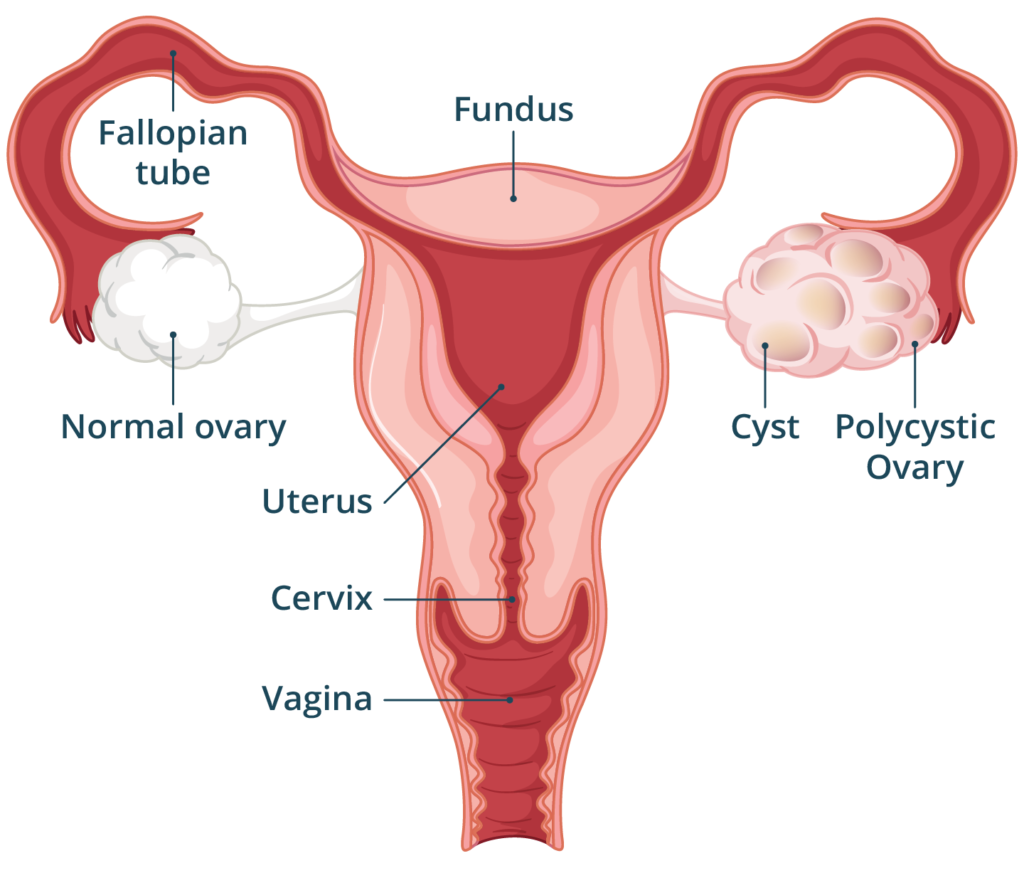
To understand how to control PCOS naturally, one must look at the role of insulin and inflammation. In a body with PCOS, cells often become resistant to insulin, causing the pancreas to overproduce this hormone. Excess insulin signals the ovaries to produce more testosterone, which disrupts the delicate balance required for regular ovulation.
Furthermore, PCOS is often associated with “low-grade chronic inflammation.” This inflammatory state further exacerbates hormonal dysfunction. Lifestyle changes act as a natural “reset” for these biological pathways, improving the way the body processes energy and communicates hormonally.
Key Insights and Practical Guidance
1. Nutritional Strategies:
The primary goal of a PCOS-friendly diet is to prevent insulin spikes.
- Focus on Complex Carbohydrates: Swap white rice and refined flour for whole grains like brown rice, oats, and millets.
- Increase Fiber Intake: High-fiber foods like legumes, vegetables, and seeds slow down glucose absorption.
- Prioritize Lean Protein: Including protein in every meal helps stabilize blood sugar and keeps you satiated.
- Healthy Fats: Omega-3 fatty acids found in walnuts, flaxseeds, and fatty fish help reduce inflammation.
2. Strategic Physical Activity
Exercise is perhaps the most potent tool for improving insulin sensitivity.
- Strength Training: Building muscle mass increases the body’s resting metabolic rate and improves glucose disposal.
- Low-Impact Steady State (LISS): Brisk walking or swimming helps lower cortisol levels, which is vital for hormonal balance.
- Consistency over Intensity: Aim for at least 150 minutes of moderate activity per week.
3. Sleep Hygiene and Circadian Rhythms
Lack of sleep increases cortisol and disrupts ghrelin and leptin (hunger hormones), making PCOS symptoms harder to manage.
- Regular Sleep Schedule: Going to bed and waking up at the same time helps regulate the endocrine system.
- Limit Blue Light: Reducing screen time before bed improves melatonin production and sleep quality.
4. Stress Mitigation
Chronic stress worsens insulin resistance. Techniques such as mindfulness, deep breathing, or prenatal-safe yoga can help lower the “fight or flight” response, allowing the reproductive system to function more effectively.
When to Seek Medical Help
While lifestyle changes are powerful, they should complement professional medical oversight. You should seek guidance from a healthcare provider if:
- You experience a sudden cessation of periods for more than three months.
- Lifestyle changes show no improvement in symptoms after 4–6 months.
- You are struggling with severe anxiety or depression related to PCOS.
- You are actively trying to conceive and require a baseline fertility assessment.
- You notice symptoms of insulin resistance like dark patches of skin (acanthosis nigricans).
3. Visakhapatnam SECTION
People in Visakhapatnam seeking women’s healthcare often consult qualified specialists to manage metabolic and reproductive disorders. Clinics in areas such as Madhurawada, MVP Colony, and Dwaraka Nagar provide access to diagnosis and treatment for various stages of the condition. Facilities like Vedanta Speciality Clinics are among those offering structured care for such conditions, helping the residents of Vizag integrate clinical treatments with sustainable natural lifestyle protocols.
4. FAQ SECTION
Can I cure PCOS permanently with lifestyle changes?
PCOS is a chronic condition, meaning there is no “cure” that makes it disappear forever. However, through consistent lifestyle changes such as diet and exercise, you can effectively manage and “reverse” the symptoms so they no longer impact your daily life or health.
How much weight do I need to lose to see results?
Clinical studies show that losing even 5% to 10% of your total body weight can significantly improve insulin sensitivity, regulate menstrual cycles, and increase the likelihood of natural ovulation in women who are overweight or have obesity.
Is coffee bad for women with PCOS?
Moderate caffeine intake is generally fine, but for some women, it can spike cortisol and insulin levels. If you notice increased anxiety or irregular cycles, consider switching to herbal teas or decaf to see if your symptoms improve.
Which exercise is best for PCOS weight loss?
A combination of resistance training (lifting weights) and cardiovascular activity (like walking) is usually the most effective. Resistance training is especially beneficial as it helps muscle cells use glucose more efficiently, even when you are at rest.
Does a gluten-free diet help PCOS?
There is no universal requirement to go gluten-free for PCOS unless you have a sensitivity or celiac disease. However, many women feel better on a gluten-free diet because it naturally leads to a reduction in processed, high-GI carbohydrates.
How does sleep affect my PCOS symptoms?
Poor sleep quality increases insulin resistance and elevates cortisol levels. When your sleep is disrupted, your body craves sugary foods for quick energy, which worsens the PCOS cycle of weight gain and hormonal imbalance.
5. CONCLUSION + SOFT CTA
Controlling PCOS naturally is a journey that requires patience, consistency, and a deep understanding of your body’s unique needs. By focusing on nutrient-dense foods, regular movement, and emotional well-being, you can significantly mitigate the metabolic impacts of the condition. While these natural strategies are foundational, they work best when paired with expert clinical monitoring to ensure all markers of health are trending in the right direction. Seeking guidance from an experienced women’s healthcare specialist can help ensure proper diagnosis and personalized care.


Leave a Comment