
Table of Contents
Is Infertility Always Permanent? Understanding Clinical Possibilities
For many individuals and couples, a diagnosis of infertility can feel like a finality. However, from a medical and scientific perspective, the question “Is infertility always permanent?” has a largely optimistic answer: No. Infertility is clinically defined as the inability to conceive after 12 months of regular, unprotected intercourse (or six months for women over 35). It is often a temporary state resulting from underlying physiological, hormonal, or lifestyle factors that can be addressed through targeted medical intervention.
In the growing healthcare landscape of Visakhapatnam, advancements in reproductive medicine have transformed the outlook for many. When patients search for a gynaecologist near me, they are often beginning a journey of diagnostic discovery. Understanding the difference between “subfertility”—a delay in conception—and true “sterility” is essential. This guide explores the reversible nature of many fertility challenges and the clinical pathways available to restore reproductive potential.

Definition and Overview
Infertility is rarely an absolute condition; rather, it is often a symptom of an underlying disruption in the reproductive system. While “sterility” refers to a permanent inability to produce biological offspring (such as in cases of primary ovarian failure or certain genetic conditions), infertility is frequently a manageable condition.
Clinical research indicates that with the right diagnostic workup, a significant percentage of couples can overcome fertility barriers. The process involves evaluating the four pillars of conception:
- Ovulation: The regular release of a healthy oocyte (egg).
- Tubal Patency: Clear fallopian tubes that allow the egg and sperm to meet.
- Uterine Environment: A healthy lining capable of supporting embryo implantation.
- Sperm Quality: Adequate count, motility, and morphology in the male partner.
Reversible Causes and Clinical Explanations
Hormonal Imbalances and Ovulatory Dysfunction
Many cases of infertility are rooted in endocrine disorders. Conditions like Polycystic Ovary Syndrome (PCOS) or thyroid dysfunction can halt ovulation. In these instances, infertility is not permanent; once the hormonal equilibrium is restored through lifestyle changes or medication, regular ovulation and natural conception often follow.
Structural Obstructions
Structural issues, such as blocked fallopian tubes (often caused by past pelvic infections) or uterine fibroids, can act as physical barriers to pregnancy. Modern surgical techniques, such as laparoscopy or hysteroscopy, can frequently repair these issues, thereby “reversing” the state of infertility.
Male Factor Infertility
Fertility is not solely a female concern. Male factor infertility, often caused by varicocele (swollen veins in the scrotum), hormonal deficiencies, or lifestyle factors, can frequently be improved. Surgical correction of a varicocele or medical treatment for low testosterone can significantly enhance sperm parameters.
Lifestyle and Environmental Factors
Chronic stress, obesity, and exposure to certain environmental toxins can temporarily suppress reproductive function. By optimizing BMI (Body Mass Index) and addressing nutritional deficiencies, many couples find their fertility restored without the need for advanced assisted reproductive technologies.
Key Insights: Practical Guidance for Restoration
Overcoming infertility in Visakhapatnam requires a structured, evidence-based approach:
- Comprehensive Diagnostic Testing: Both partners should undergo evaluation simultaneously. This includes semen analysis for men and blood tests (AMH, FSH) and imaging (HSG, Ultrasound) for women.
- Tracking the Fertile Window: Utilizing ovulation predictor kits or basal body temperature monitoring can help ensure that intercourse is timed correctly, addressing cases where “infertility” was simply a matter of mistiming.
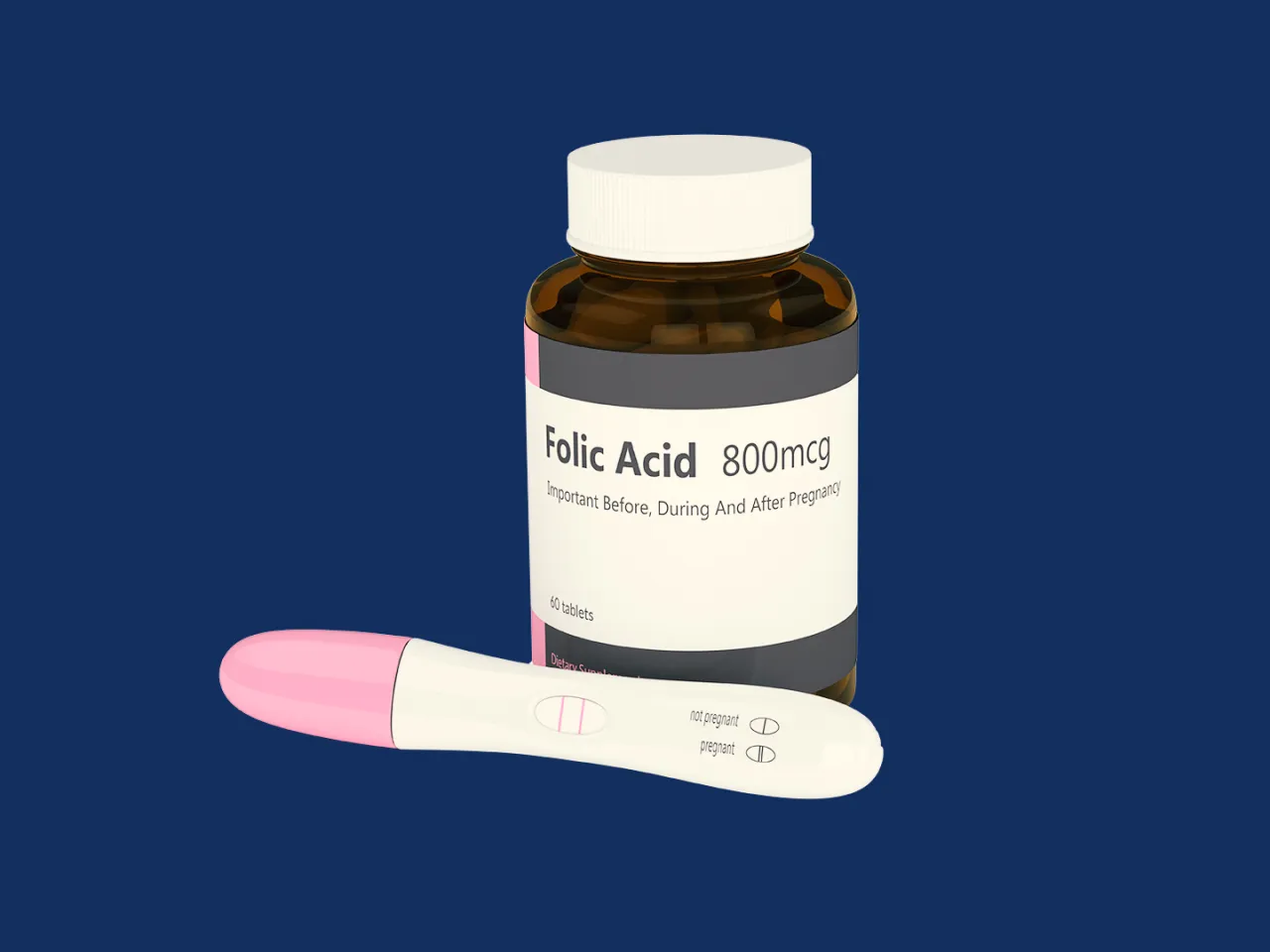
- Nutritional Optimization: Diets rich in antioxidants, folic acid, and Coenzyme Q10 have been clinically shown to support egg and sperm quality.
- Medical Management: Medications like Letrozole or Clomiphene can be used to stimulate ovulation in women who do not ovulate regularly.

When to Seek Medical Help
Time is a critical factor in reproductive medicine. You should consult a specialist if:
- The 12-Month Mark: You are under 35 and have been trying to conceive for one year.
- The 6-Month Mark: You are 35 or older and have been trying for six months.
- Irregular Cycles: You have a history of highly irregular or painful periods.
- Known Medical History: You have a history of endometriosis, PCOS, or pelvic inflammatory disease (PID).
- Previous Surgeries: You or your partner have had previous abdominal or reproductive surgeries.
3. MVP Colony Women’s healthcare
People in Visakhapatnam seeking women’s healthcare often consult qualified specialists to investigate reproductive concerns. Clinics in areas such as Madhurawada, MVP Colony, and Dwaraka Nagar provide access to diagnosis and treatment through advanced fertility labs and follicular monitoring. Facilities like Vedanta Speciality Clinics are among those offering structured care for such conditions, providing the Vizag community with personalized diagnostic pathways to help determine the most effective treatment for fertility challenges.
4. FAQ SECTION
Is infertility a permanent diagnosis?
No, infertility is not always permanent. It is often a temporary condition caused by hormonal imbalances, lifestyle factors, or minor structural issues. With appropriate medical diagnosis and treatment—such as medication, lifestyle adjustments, or minor surgery—many people go on to conceive successfully.
What is the difference between infertility and sterility?
Infertility is a diminished ability to conceive, which is often treatable. Sterility, however, is a permanent biological inability to produce offspring, such as in the absence of reproductive organs. Most people who struggle to get pregnant are experiencing infertility, which is potentially reversible.
Can stress make infertility permanent?
Stress does not make infertility permanent, but high cortisol levels can disrupt the hormonal signals required for ovulation in women and sperm production in men. Addressing stress through clinical counseling and lifestyle changes can often restore reproductive function and improve the chances of conception.
Can men “reverse” infertility?
Yes, male infertility is often reversible. If the cause is a varicocele, surgery can help. If it is due to low sperm count from lifestyle factors or hormonal imbalances, medication and nutritional changes can significantly improve sperm health within three to six months.
Does age make infertility permanent?
While age naturally reduces the quantity and quality of eggs (ovarian reserve), it does not necessarily make infertility permanent. Even with advanced maternal age, treatments like IVF (In Vitro Fertilization) or the use of donor eggs can assist in achieving a successful pregnancy.
Can blocked fallopian tubes be treated?
Yes, blocked fallopian tubes are a common cause of infertility that is not always permanent. Depending on the location and severity of the blockage, surgeons can often perform laparoscopic procedures to clear the tubes, allowing for natural conception to occur afterward.

5. CONCLUSION + SOFT CTA
The journey toward parenthood may encounter obstacles, but the answer to “Is infertility always permanent?” remains grounded in medical optimism. Most fertility challenges are not absolute barriers but are clinical conditions that can be managed, treated, or bypassed with modern technology. By identifying the root cause early, couples in Visakhapatnam can significantly improve their reproductive outcomes. Seeking guidance from an experienced women’s healthcare specialist can help ensure proper diagnosis and personalized care.


Leave a Comment