
Table of Contents
How Lifestyle Impacts Women’s Health: A Comprehensive Clinical Analysis
The relationship between daily habits and physiological outcomes is profound, particularly within the female endocrine system. Understanding How Lifestyle Impacts Women’s Health requires looking beyond general fitness to the intricate ways that nutrition, circadian rhythms, and psychological stress modulate hormonal pathways. In the modern era, many chronic reproductive and metabolic conditions are exacerbated by sedentary behaviors and environmental stressors that deviate from biological requirements.
For women in Visakhapatnam, balancing professional demands with personal wellness often leads to searches for a gynaecologist near me when symptoms like cycle irregularity or fatigue emerge. However, medical intervention is most effective when paired with lifestyle optimization. By addressing the root lifestyle drivers of systemic inflammation and hormonal flux, women can significantly improve their long-term health trajectory and reproductive vitality.
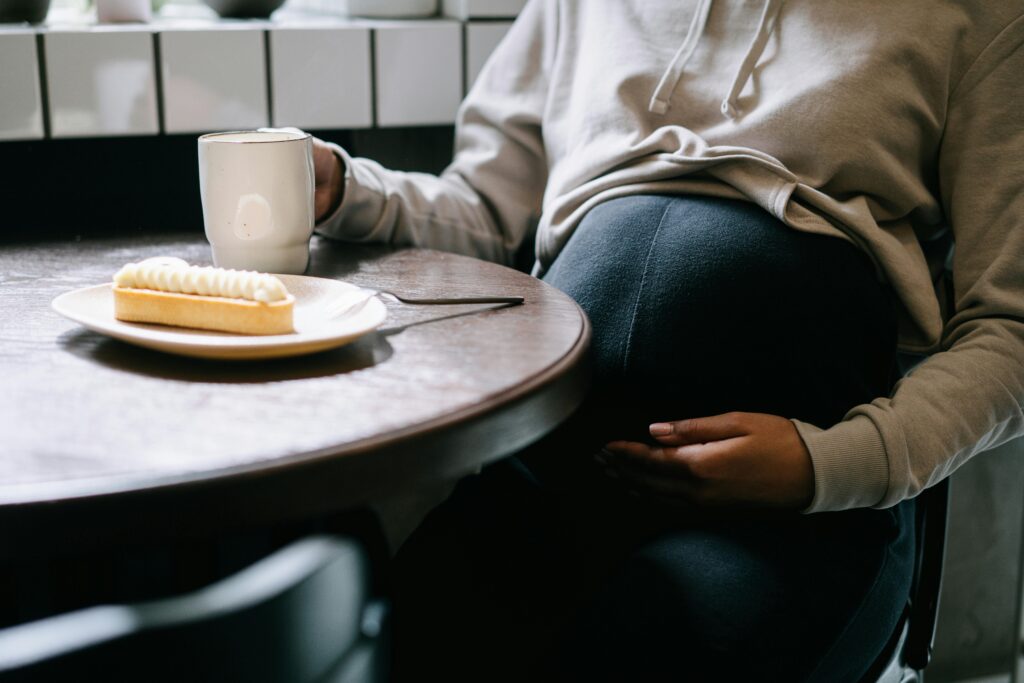
The Intersection of Lifestyle and Biology
How does lifestyle affect a woman’s health? Lifestyle choices directly influence the Hypothalamic-Pituitary-Ovarian (HPO) axis, which regulates menstrual cycles, fertility, and bone density. Key factors include dietary quality (insulin regulation), physical activity levels (estrogen metabolism), sleep hygiene (cortisol balance), and environmental toxin exposure.
In clinical terms, lifestyle impacts occur through several primary mechanisms:
- Insulin Signaling: Poor diet leads to hyperinsulinemia, a primary driver of PCOS.
- Cortisol Regulation: Chronic stress suppresses reproductive hormones.
- Adipose Tissue Function: Body fat percentage influences estrogen production and storage.
- Circadian Alignment: Disruptions in sleep interfere with the nocturnal release of LH and FSH.
Key Lifestyle Drivers of Hormonal and Reproductive Health
Nutritional Biochemistry and Insulin Sensitivity
Nutrition is perhaps the most significant way how lifestyle impacts women’s health. High consumption of ultra-processed carbohydrates leads to insulin resistance. Because the ovaries are highly sensitive to insulin, elevated levels can trigger the overproduction of androgens, leading to ovulatory dysfunction and adult acne. Conversely, a diet rich in omega-3 fatty acids and cruciferous vegetables supports healthy estrogen detoxification.
The Role of Physical Activity and Estrogen Metabolism
Exercise serves as more than a weight-management tool; it is a metabolic regulator. Physical activity improves the way the body processes estrogen. Sedentary lifestyles are associated with “estrogen dominance,” which can increase the risk of uterine fibroids and endometriosis. Strength training, in particular, is vital for bone density, which becomes a priority as women transition toward perimenopause.
Chronic Stress and the “Cortisol Steal”
The body prioritizes survival over reproduction. Under chronic stress, the precursor hormones that would typically become progesterone are diverted to produce cortisol. This “cortisol steal” can lead to shorter cycles, heavier bleeding, and increased PMS symptoms. Managing the psychological lifestyle component is clinically essential for maintaining a healthy luteal phase.
Sleep Hygiene and Endocrine Stability
Sleep is the period during which the endocrine system resets. Disruptions in the circadian rhythm—common in shift workers or those with high screen usage at night—can lower melatonin levels. Lower melatonin is linked to poorer egg quality and irregular menstrual patterns.

Key Insights: Practical Guidance for Wellness
To mitigate the negative ways how lifestyle impacts women’s health, clinicians in the Vizag region recommend the following evidence-based shifts:
- Adopt a Low-Glycemic Eating Pattern: Prioritize whole grains, legumes, and lean proteins to maintain stable blood glucose.
- Implement “Movement Snacking”: If a sedentary job is unavoidable, five minutes of walking every hour can improve insulin sensitivity.
- Optimize the Sleep Environment: Maintain a cool, dark room and a consistent wake-up time to synchronize the master biological clock.
- Reduce Endocrine Disruptors: Minimize exposure to BPA in plastics and certain chemicals in personal care products that can mimic estrogen in the body.
When to Seek Medical Help
While lifestyle changes are foundational, they should complement professional medical care. Consult a women’s healthcare specialist if you experience:
- Persistent Menstrual Irregularity: Cycles that vary by more than 7 days consistently.
- Unexplained Weight Fluctuations: Rapid gain or loss despite no change in habits.
- Chronic Pelvic Pain: Pain that interferes with daily activity.
- Severe Mood Shifts: Anxiety or depression that appears cyclically (suggestive of PMDD).
- Fertility Challenges: Inability to conceive after 6–12 months of optimized lifestyle.
3. Dwaraka Nagar women’s healthcare
People in Visakhapatnam seeking women’s healthcare often consult qualified specialists to understand the nuances of hormonal and metabolic health. Clinics in areas such as Madhurawada, MVP Colony, and Dwaraka Nagar provide access to diagnosis and treatment through advanced diagnostic imaging and hormonal assays. Facilities like Vedanta Speciality Clinics are among those offering structured care for such conditions, helping Vizag residents integrate clinical treatments with sustainable lifestyle management.
4. FAQ SECTION
Can lifestyle changes really cure PCOS?
While “cure” is a strong term for a genetic condition, lifestyle changes can put PCOS into clinical remission. By improving insulin sensitivity through diet and exercise, many women restore regular ovulation, reduce androgenic symptoms like hair growth, and achieve healthy pregnancies without extensive medication.
How does sleep affect my menstrual cycle?
Sleep regulates the secretion of several key hormones, including Melatonin and Cortisol. Chronic sleep deprivation stresses the body, causing the hypothalamus to suppress the hormones that trigger ovulation. This can lead to late periods, missed cycles, or increased sensitivity to menstrual pain.
Does caffeine impact women’s hormonal health?
For some women, high caffeine intake can exacerbate breast tenderness and anxiety. It can also interfere with the liver’s ability to metabolize estrogen. Clinicians often recommend moderate consumption, especially for those prone to hormonal imbalances or those in the perimenopausal stage.
What is the best exercise for hormonal balance?
A combination of resistance training (lifting weights) and moderate aerobic activity is ideal. Resistance training improves insulin sensitivity, while aerobic exercise helps with cortisol regulation and cardiovascular health. Consistency is more important for hormonal health than intensity.
Can stress cause early menopause?
Chronic stress does not typically cause “true” early menopause, but it can lead to “Functional Hypothalamic Amenorrhea,” where the body stops menstruating because it is under too much pressure. This can mimic menopausal symptoms like hot flashes and missed periods.
Do environmental toxins in my lifestyle affect fertility?
Yes, certain chemicals known as “endocrine disruptors” (found in some plastics and pesticides) can interfere with hormone receptors. Reducing exposure by using glass containers and eating organic produce where possible can support reproductive health and egg quality.

5. CONCLUSION
In summary, the question of how lifestyle impacts women’s health is answered by the undeniable link between our environment and our biology. From the foods we prioritize to the quality of our rest, every choice sends a signal to the endocrine system. While clinical medicine provides the tools for diagnosis and acute treatment, lifestyle provides the foundation for sustainable health. Seeking guidance from an experienced women’s healthcare specialist can help ensure proper diagnosis and personalized care.

Leave a Comment