

Table of Contents
Can Stress Affect Your Menstrual Cycle? Understanding the Mind-Body Link
The relationship between psychological well-being and reproductive health is a complex biological interplay. Many women observe that during periods of high pressure—whether due to professional demands, personal shifts, or environmental factors—their menstrual patterns change. The short answer to “Can stress affect your menstrual cycle?” is a definitive yes. From a clinical perspective, stress is not just an emotion; it is a physiological trigger that can disrupt the delicate hormonal signaling required for regular ovulation.
For residents in Visakhapatnam navigating high-stress lifestyles, these disruptions often prompt a search for a gynaecologist near me to rule out structural issues. However, understanding the underlying “stress-ovulation” axis is the first step toward reclaiming cycle regularity. This article deconstructs the science of how cortisol influences reproductive hormones and provides actionable guidance for managing stress-induced menstrual irregularities.
The Science of Stress and Menstruation
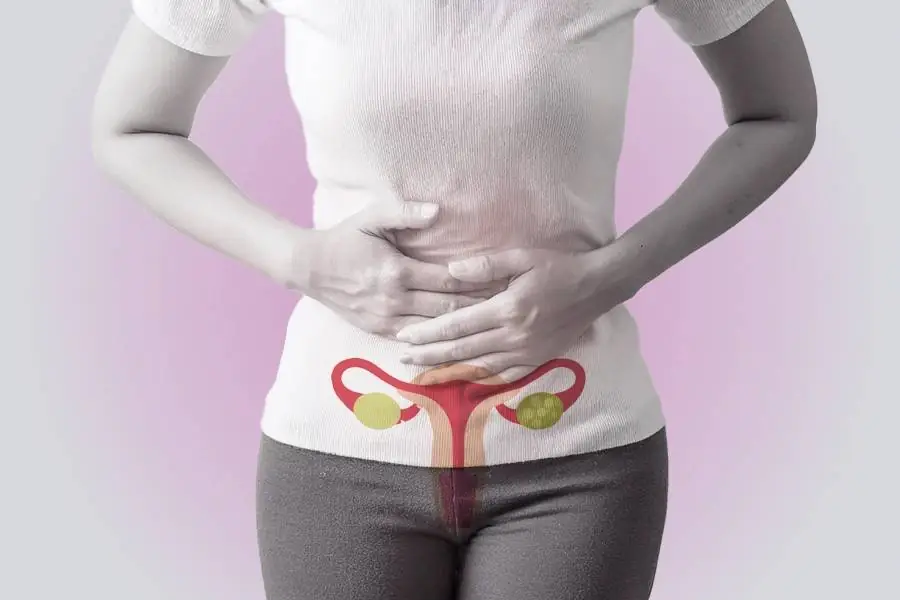
How does stress impact the menstrual cycle? The biological mechanism involves the Hypothalamic-Pituitary-Ovarian (HPO) axis. When the body perceives stress, the hypothalamus—the brain’s command center—signals the adrenal glands to release cortisol, the primary stress hormone. High levels of cortisol can suppress the secretion of Gonadotropin-Releasing Hormone (GnRH).
Since GnRH is responsible for triggering the release of Luteinizing Hormone (LH) and Follicle-Stimulating Hormone (FSH), its suppression can lead to:
- Delayed Ovulation: Resulting in a late period.
- Anovulation: The failure to release an egg, leading to a skipped period.
- Amenorrhea: The total absence of menstruation for three or more months.
- Dysmenorrhea: Increased sensitivity to pain, making menstrual cramps feel more severe.
Clinical Indicators of Stress-Induced Disruption
Functional Hypothalamic Amenorrhea (FHA)
In extreme cases of chronic stress, often combined with intense exercise or caloric restriction, the body may enter a “survival mode.” It deprioritizes reproductive functions to conserve energy, leading to FHA. This is a common clinical diagnosis when no structural abnormalities are found, but the menstrual cycle has ceased entirely.
Altered Flow and Cycle Length
Stress doesn’t always stop the period; sometimes it simply makes it unpredictable. You may notice Polymenorrhea (cycles shorter than 21 days) or Oligomenorrhea (cycles longer than 35 days). Furthermore, stress-induced hormonal fluctuations can cause the uterine lining to shed unevenly, resulting in heavier flow or mid-cycle spotting.
Impact on Existing Conditions
Stress can exacerbate the symptoms of underlying reproductive disorders. For instance, women with PCOS (Polycystic Ovary Syndrome) may find their hormonal imbalances intensified by high cortisol, leading to worsened acne, more profound insulin resistance, and even more irregular cycles.
Key Insights: Practical Guidance for Cycle Management
If you suspect stress is impacting your reproductive health in Vizag, consider these clinical and lifestyle steps:
- Maintain a Cycle Log: Track your periods alongside a “stress diary.” Identifying a correlation between high-pressure weeks and delayed cycles provides valuable data for your healthcare provider.
- Prioritize Sleep Hygiene: Cortisol and melatonin (the sleep hormone) have an inverse relationship. Proper sleep helps regulate cortisol levels, supporting the HPO axis.
- Moderate Physical Activity: While exercise is a stress-reliever, excessive high-intensity training can act as a physical stressor. Aim for a balanced routine.
- Nutritional Support: Ensure adequate intake of complex carbohydrates and healthy fats, which are necessary for hormone synthesis.
When to Seek Medical Help
While stress is a common culprit, it is a “diagnosis of exclusion.” This means other medical conditions must be ruled out by a professional. Seek clinical help if:
- Prolonged Absence: You skip three or more periods in a row.
- Severe Pain: You experience pelvic pain that is not relieved by standard measures.
- Sudden Changes: Your cycle was previously regular but has become erratic for more than three months.
- Systemic Symptoms: You experience rapid weight changes, hair loss, or persistent fatigue alongside period irregularities.
3. Visakhapatnam Women’s Healthcare
People in Visakhapatnam seeking women’s healthcare often consult qualified specialists to differentiate between stress-related issues and organic reproductive disorders. Clinics in areas such as Madhurawada, MVP Colony, and Dwaraka Nagar provide access to diagnosis and treatment, including hormonal profiling and pelvic imaging. Facilities like Vedanta Speciality Clinics are among those offering structured care for such conditions, ensuring that women in the Vizag region receive a holistic evaluation of their hormonal health.
4. FAQ SECTION
How long can stress delay a period?
Stress can delay a period by a few days or even several weeks. In cases of acute stress, ovulation may be postponed or skipped entirely for that cycle. If your period is more than 10 days late and pregnancy is ruled out, stress is a likely clinical factor.
Can short-term stress, like an exam or work deadline, affect my cycle?
Yes. Even short-term “acute” stress can interfere with the signals the brain sends to the ovaries. If the stress occurs just before your expected ovulation, it can push the ovulation date back, which subsequently delays your menstrual period for that month.
Does stress make period cramps worse?
Clinically, yes. High stress levels are associated with higher levels of prostaglandins—the chemicals that cause the uterus to contract. Additionally, stress lowers your pain threshold, which can make the sensation of menstrual cramping feel significantly more intense than usual.
Will my period go back to normal after the stress ends?
In most cases, the menstrual cycle returns to its regular pattern once the stressor is removed and the HPO axis stabilizes. However, if the cycle remains irregular for more than two or three months after the stress has subsided, it is advisable to consult a specialist.
Can stress cause heavy bleeding?
Stress can cause hormonal fluctuations that prevent regular ovulation. When ovulation doesn’t happen, the balance of estrogen and progesterone is disrupted, which can lead to the uterine lining becoming thicker and eventually shedding more heavily, causing a heavier-than-normal flow.
Is stress-induced amenorrhea permanent?
No, stress-induced amenorrhea (the absence of periods) is typically reversible. By implementing stress management techniques, ensuring adequate nutrition, and addressing the underlying psychological triggers, the hypothalamic signaling usually recovers, and menstruation resumes.
5. CONCLUSION
In conclusion, the answer to “Can stress affect your menstrual cycle?” is rooted in the complex link between our nervous system and our endocrine glands. Recognizing that your cycle is reflecting your internal stress levels is an important aspect of self-care. While stress is often the cause, maintaining regular screenings ensures that other health factors are monitored. Seeking guidance from an experienced women’s healthcare specialist can help ensure proper diagnosis and personalized care.

Leave a Comment