
Table of Contents
Common Mistakes Women Make in Early Pregnancy: A Clinical Perspective
The first trimester of pregnancy is a period of rapid physiological change and fetal organogenesis. While it is an exciting time, it is also when the pregnancy is most vulnerable to external factors and lifestyle choices. Many common mistakes women make in early pregnancy stem from a lack of clinical information or the influence of outdated cultural myths. In the modern healthcare landscape, navigating these first twelve weeks requires a balance of self-awareness and professional medical guidance.
For residents in Visakhapatnam, the transition into prenatal care often begins with a search for a gynaecologist near me to confirm the pregnancy. However, the interval between a positive home test and the first clinical appointment is when many avoidable errors occur. This guide aims to identify these common pitfalls and provide evidence-based alternatives to ensure the best possible start for both mother and child.
Overview of Early Pregnancy Challenges
What are the most common mistakes in early pregnancy? Clinically, the most frequent errors include delaying the first prenatal visit, taking unprescribed medications or herbal supplements, “eating for two” (excessive caloric intake), and ignoring symptoms of dehydration or infection. Early pregnancy requires a specific focus on folic acid supplementation and the avoidance of teratogens—substances that can interfere with fetal development.
Key areas where mistakes frequently occur include:
- Nutritional Misconceptions: Overemphasizing quantity over nutrient density.
- Medication Safety: Assuming over-the-counter (OTC) drugs are safe during gestation.
- Activity Levels: Either stopping all exercise or maintaining high-intensity routines without modification.
- Symptom Dismissal: Attributing severe pain or bleeding to “normal” pregnancy shifts.
Common Pitfalls and Their Physiological Impact
1. Delaying the First Prenatal Appointment
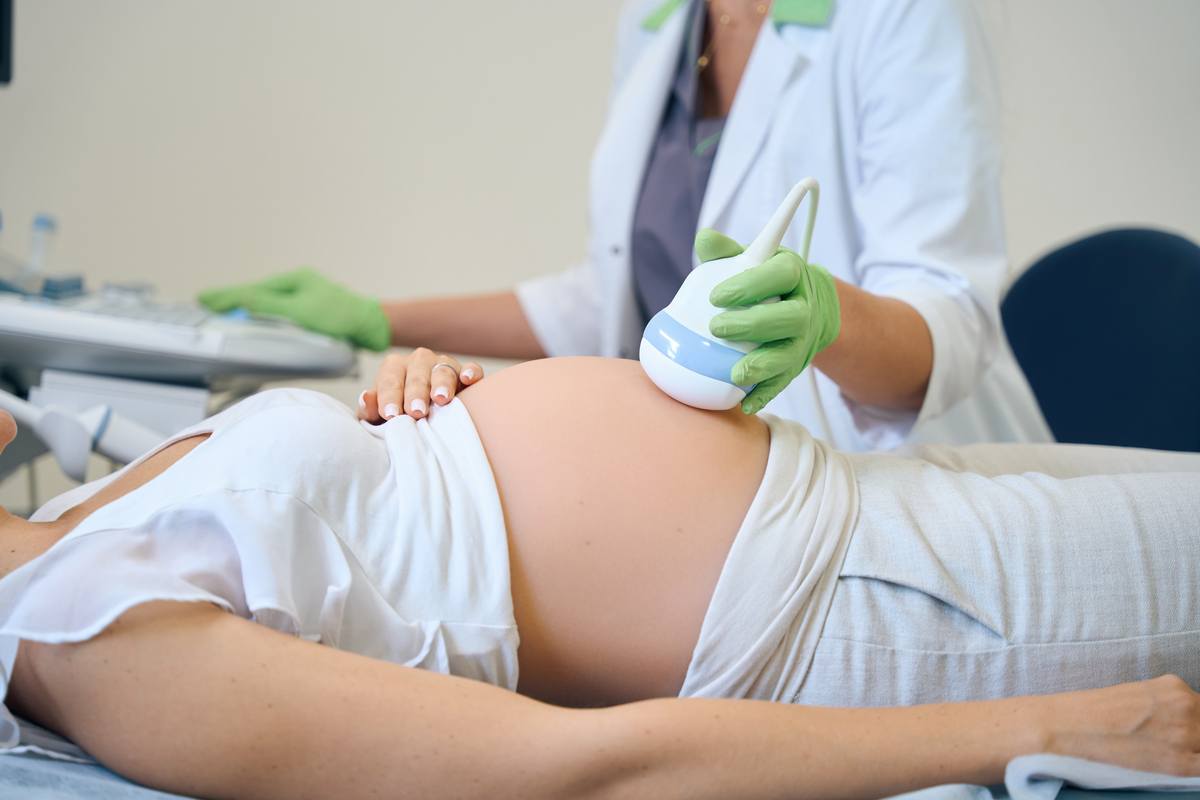
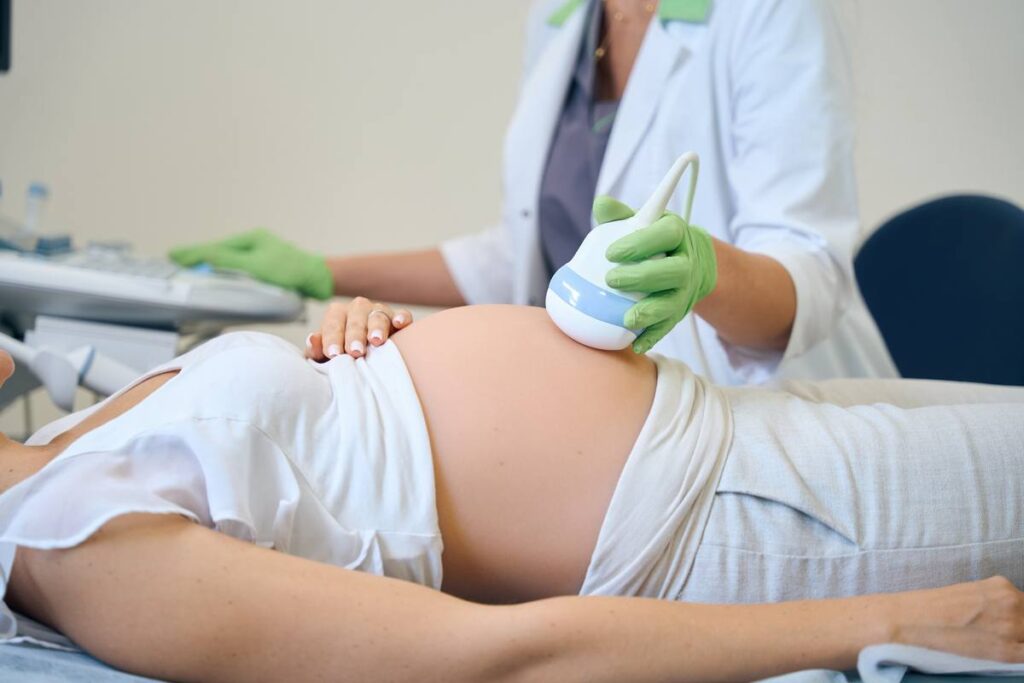
Many women wait until the end of the first trimester to see a specialist. This is a mistake because the first 8–10 weeks are critical for establishing an accurate due date via ultrasound and screening for ectopic pregnancies or silent miscarriages. Early blood work also identifies iron deficiencies or thyroid imbalances that require immediate correction.
2. Self-Medicating for Common Ailments
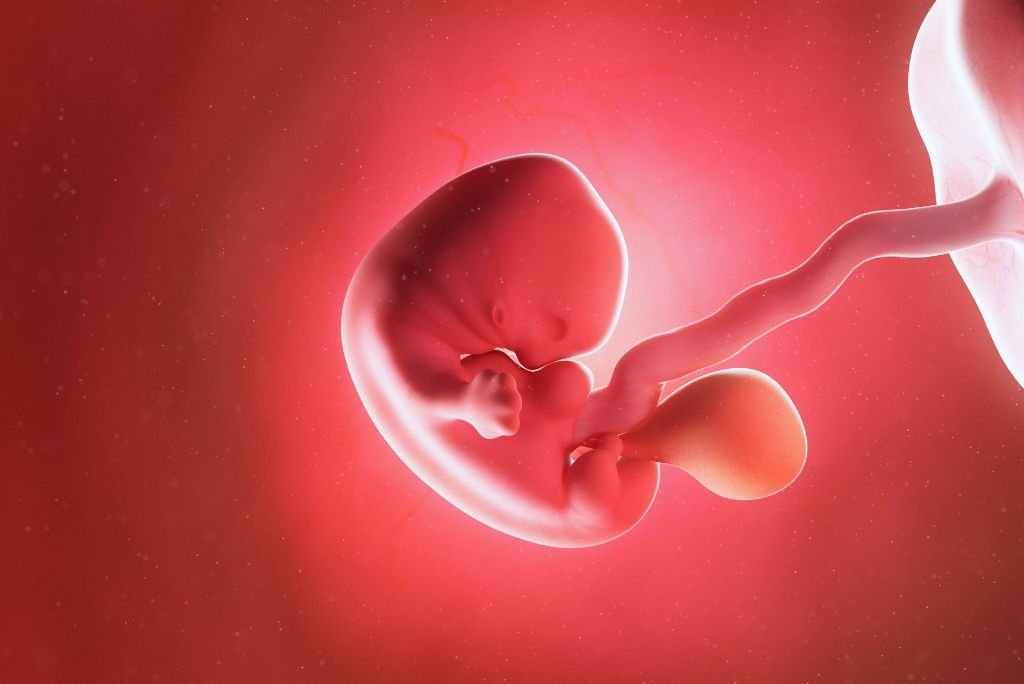
During the first trimester, the fetal organs are forming. Many common medications, including certain NSAIDs (like ibuprofen) or specific acne treatments, can cross the placenta and impact development. Even “natural” herbal teas can contain compounds that stimulate uterine contractions.
3. The Myth of “Eating for Two”
While nutrient requirements increase, caloric needs in the first trimester do not change significantly. Excessive weight gain early on increases the risk of gestational diabetes and hypertension. The focus should be on “quality over quantity,” prioritizing protein, healthy fats, and folate-rich leafy greens.
4. Ignoring Oral Health
There is a documented link between periodontal (gum) disease and preterm birth. Hormonal changes in early pregnancy make gums more susceptible to inflammation. Skipping dental check-ups is a common oversight that can have systemic implications for the pregnancy.
Key Insights: Practical Guidance for the First Trimester
To optimize your early pregnancy experience in Vizag, consider the following clinical recommendations:
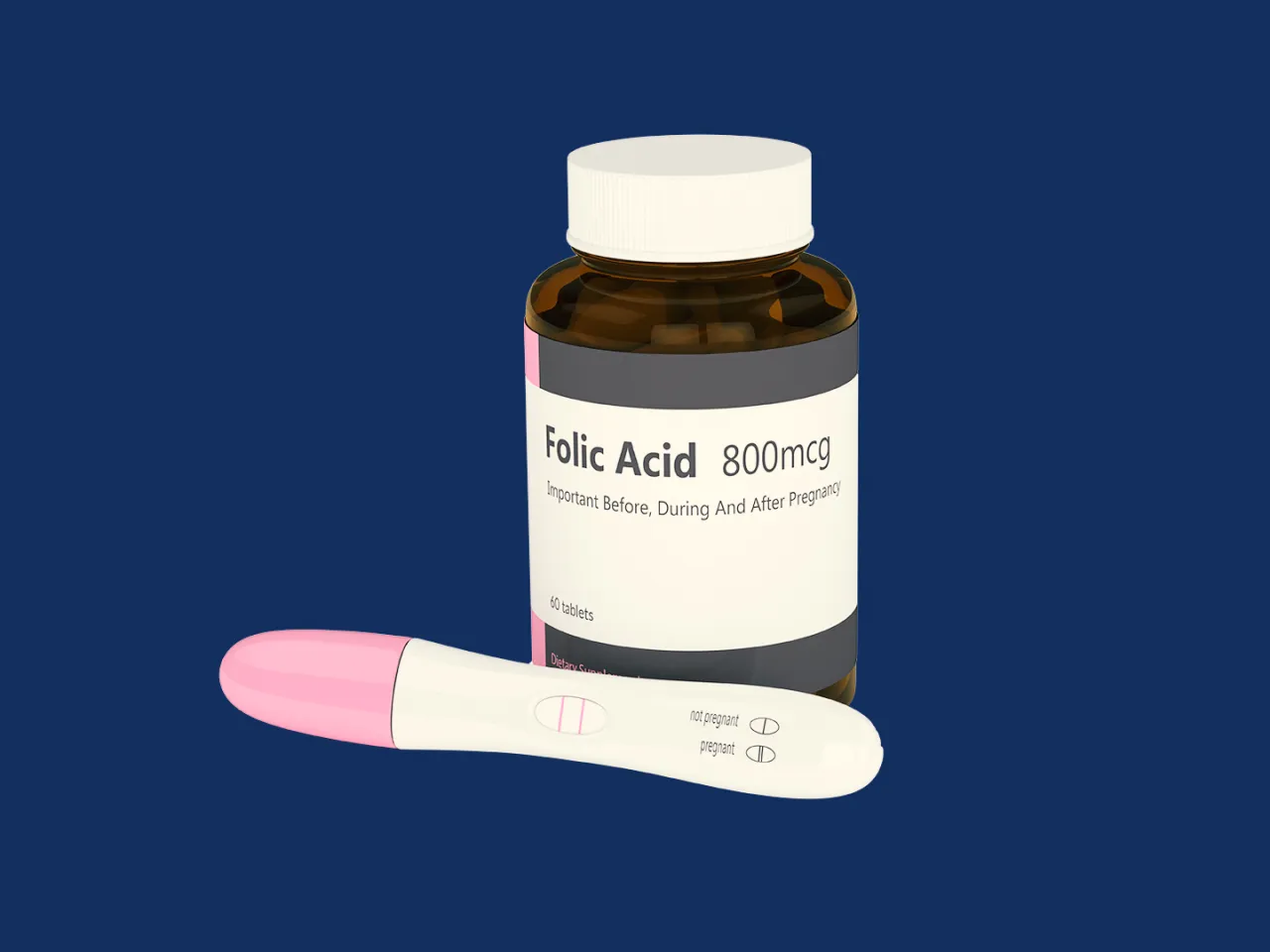
- Verify Your Supplements: Ensure your prenatal vitamin contains at least 400mcg of Folic Acid. Avoid “megadosing” on Vitamin A, which can be harmful in high amounts.
- Audit Your Environment: In coastal cities like Visakhapatnam, ensure you are drinking filtered or boiled water to avoid waterborne infections that cause severe dehydration.
- Maintain Moderate Activity: Unless advised otherwise by a doctor, continue low-impact movement like walking or prenatal yoga to support circulation and mood.
- Track Your Symptoms: Keep a log of morning sickness intensity and any unusual spotting to provide accurate data during your clinical booking visit.

When to Seek Medical Help
While some discomfort is normal, certain signs should never be ignored. Consult a healthcare specialist in Visakhapatnam immediately if you experience:
- Heavy Vaginal Bleeding: Especially if accompanied by cramping.
- Severe One-Sided Pelvic Pain: This could be a symptom of an ectopic pregnancy.
- Hyperemesis Gravidarum: Persistent vomiting that prevents you from keeping any fluids down for 24 hours.
- Fever over 101°F (38.3°C): High maternal body temperature can impact fetal development in the early weeks.
- Painful Urination: Early pregnancy increases the risk of UTIs, which can lead to kidney infections if untreated.
3. Madhurawada women’s healthcare
People in Visakhapatnam seeking women’s healthcare often consult qualified specialists to navigate the complexities of the first trimester. Clinics in areas such as Madhurawada, MVP Colony, and Dwaraka Nagar provide access to diagnosis and treatment, including early viability scans and comprehensive blood panels. Facilities like Vedanta Speciality Clinics are among those offering structured care for such conditions, providing the Vizag community with the clinical expertise needed to prevent complications and support healthy maternal transitions.
4. FAQ SECTION
Is it a mistake to exercise during the first trimester? No, it is generally a mistake to stop moving entirely. Unless your doctor has identified a specific risk like a subchorionic hematoma, moderate exercise is highly beneficial. It helps manage stress and improves the stamina you will need for later stages of pregnancy.
Can I take paracetamol for a headache in early pregnancy? Paracetamol is generally considered the safest pain reliever during pregnancy, but it should still be used sparingly. You should always consult your gynaecologist before taking any medication to ensure it is appropriate for your specific health profile and gestational age.
Why is “eating for two” considered a mistake? Clinically, you only need about 300 extra calories per day, and usually not until the second trimester. Excessive weight gain in the first trimester puts unnecessary strain on your heart and increases the risk of metabolic complications like gestational diabetes.
Is it safe to dye my hair in the first trimester? Most doctors recommend waiting until the second trimester (after 12 weeks) to use permanent hair dyes. This is because the first trimester is a critical window of fetal development, and while absorption through the skin is minimal, it is safer to be cautious.
Is caffeine completely forbidden in early pregnancy? Not forbidden, but it should be limited. Most medical guidelines recommend staying below 200mg of caffeine per day (about one 12oz cup of coffee). High caffeine intake has been linked to an increased risk of miscarriage in the first trimester.
Should I stop my existing medications once I see a positive test? Do not stop chronic medications (for blood pressure, depression, or thyroid) without speaking to your doctor. Stopping certain medications abruptly can be more dangerous for you and the baby than the medication itself. Your specialist will help you transition to pregnancy-safe alternatives.

5. CONCLUSION
In summary, avoiding the common mistakes women make in early pregnancy requires a proactive and informed approach. By prioritizing early clinical validation, maintaining a nutrient-dense diet, and being cautious with medications, you create a stable foundation for the months ahead. Every pregnancy is a unique biological event, and the guidance of a professional is invaluable. Seeking guidance from an experienced women’s healthcare specialist can help ensure proper diagnosis and personalized care.


Leave a Comment