
Table of Contents
What Are the Three Stages of Menopause? A Complete Guide to the Transition
Navigating the midlife transition can feel like entering uncharted territory. For many women, changes in sleep, energy, and menstrual cycles leave them wondering exactly what is happening to their bodies. Understanding the underlying biological shifts provides clarity and confidence during this period.
The reproductive transition is not a single event, but a gradual journey. What are the three stages of menopause? The three distinct physiological phases are perimenopause (the transitional phase of fluctuating hormones), menopause (the official milestone marked by twelve consecutive months without a menstrual period), and postmenopause (the stage spanning all the years following that milestone).

Defining the Menopausal Transition
To demystify this natural biological milestone, it helps to establish clear, evidence-based definitions for each phase of the journey.
Menopause is the permanent cessation of menstruation resulting from the loss of ovarian follicular activity. In clinical terms, it represents a retrospective diagnosis, officially confirmed after an individual has experienced twelve consecutive months of spontaneous amenorrhea (absence of periods) without any alternative physiological or pathological cause.
In healthcare networks across regions like Andhra Pradesh—from primary care centers in Madhurawada to specialized women’s health clinics in Visakhapatnam—medical educators emphasize that this transition is a universal biological milestone rather than a medical condition or disease.
The Root Causes: Biological Underpinnings
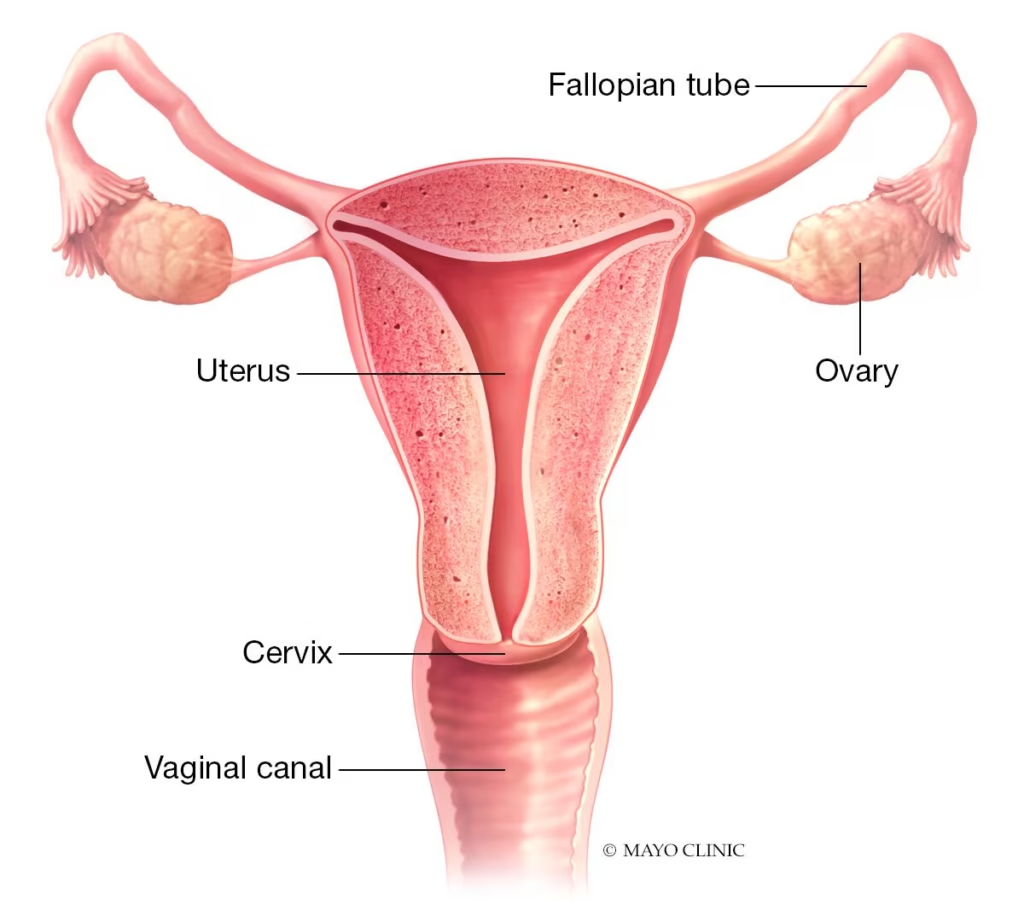
The biological shift of this transition is driven by changes in the endocrine system. From the time of embryonic development, the female body contains a fixed, non-renewing pool of ovarian follicles. Each follicle holds an immature egg cell surrounded by specialized cells that produce key reproductive hormones, primarily estrogen and progesterone.
As a woman reaches her 40s, this ovarian reserve naturally decreases. The remaining follicles become less responsive to signals from the brain, specifically follicle-stimulating hormone (FSH) and luteinizing hormone (LH).
To compensate for this lower responsiveness, the brain releases higher amounts of FSH to stimulate the ovaries. This hormonal shift causes the variable patterns, irregular ovulation, and fluctuating estrogen levels characteristic of midlife. Eventually, the follicular reserve is exhausted, ovulation stops entirely, and estrogen production settles at a permanent, stable baseline.
The Three Stages of Menopause Broken Down
The transition moves through three distinct, chronological phases, each with its own specific biological profile.
[Perimenopause: Fluctuating Hormones] ➔ [Menopause: 12 Months Without a Period] ➔ [Postmenopause: Stable Baseline]
1. Perimenopause (The Transition Phase)
Perimenopause, often called the menopausal transition, begins several years before official menopause. During this stage, the ovaries gradually produce less estrogen. This phase usually starts in a woman’s 40s, though it can begin in her late 30s.
The defining feature of perimenopause is change. Estrogen levels do not drop steadily; instead, they fluctuate unpredictably. A woman might have very high estrogen levels one month, followed by low levels the next. This fluctuation causes irregular menstrual cycles, changes in flow, and early symptoms like hot flushes. Women can still become pregnant during this phase because ovulation continues, even if it is unpredictable.
2. Menopause (The Official Milestone)
Menopause is the precise clinical milestone where the ovaries stop releasing eggs and producing most of their estrogen. This stage is reached when a woman has gone twelve consecutive months without a menstrual period.
This milestone is a single point in time. In the UK and internationally, the average age for natural menopause is 51, though it can occur anywhere between 45 and 55. If it occurs before age 40, it is clinically termed premature menopause; if it occurs between 40 and 45, it is considered early menopause.
3. Postmenopause (The Post-Transition Phase)
Postmenopause begins immediately after a woman hits her twelve-month period-free milestone and lasts for the rest of her life. During this phase, reproductive hormone levels settle at a permanent, low baseline.
For many women, the fluctuating symptoms of perimenopause begin to ease during postmenopause. However, because estrogen plays a protective role in cardiovascular health and bone density, this stage requires a focus on long-term wellness, including bone protection and heart health.
Symptom Profiles Across the Stages
The shifting levels of estrogen and progesterone can cause a variety of physical and emotional changes. Every woman’s experience is unique, with some noting mild transitions and others experiencing significant daily disruption.
| Symptom Category | Potential Manifestations | Primary Stage of Occurrence | Practical Example |
| Vasomotor Symptoms | Hot flushes, night sweats, sudden warmth | Late Perimenopause & Menopause | A sudden wave of intense heat spreading across the chest and face, followed by sweating or chills. |
| Menstrual Variations | Shorter or longer cycles, unpredictable flow, skipped periods | Early to Late Perimenopause | Experiencing a 21-day cycle followed by a 45-day cycle, with varying flow levels. |
| Sleep Disruptions | Insomnia, waking early, night-sweat interruptions | Perimenopause through Postmenopause | Waking up at 3:00 AM drenched in sweat and struggling to fall back asleep. |
| Genitourinary Changes | Vaginal dryness, discomfort during intimacy, urinary frequency | Menopause & Postmenopause | Localized discomfort during walking or exercise, or feeling a frequent, urgent need to urinate. |
| Cognitive & Mood Shifts | Brain fog, mild forgetfulness, irritability, mood swings | Perimenopause & Menopause | Walking into a room and forgetting why, or feeling sudden shifts in mood without an obvious cause. |
Risk Factors and Influencing Elements
While the timing of menopause is largely determined by genetics, several external and physiological factors can influence when the transition begins and how intense the symptoms may be.
- Genetic Factors: The age your mother or older sister went through menopause is often the strongest indicator of when your own transition will begin.
- Smoking and Tobacco Use: Clinical studies show that regular smoking can advance the onset of menopause by one to two years, as toxins in tobacco smoke accelerate the loss of ovarian follicles.
- Medical Interventions: Surgical removal of both ovaries (bilateral oophorectomy) causes immediate surgical menopause. Additionally, certain pelvic radiation therapies or chemotherapies can induce medical menopause.
- Autoimmune Conditions: Chronic autoimmune diseases, such as thyroiditis or type 1 diabetes, are sometimes associated with an earlier onset of the transition.
How the Transition is Diagnosed
For women over 45 with typical symptoms, a diagnosis does not usually require complicated blood tests. Specialists in clinical networks throughout Vizag view the transition through a comprehensive diagnostic lens.
- Detailed Clinical History: Your doctor will look at your menstrual patterns over the past year, track any lifestyle shifts, and discuss any family history of early menopause.
- Symptom Review: Evaluating the frequency and impact of hot flushes, mood changes, and sleep patterns helps map out your current stage.
- Targeted Blood Tests: While routine hormone checks are often unnecessary due to daily fluctuations, doctors may use blood tests to rule out other conditions. For instance, testing Thyroid-Stimulating Hormone (TSH) levels ensures that an underactive or overactive thyroid isn’t the root cause of your fatigue or irregular periods.
Evidence-Based Treatment and Management Options
Managing the symptoms of the menopausal transition focuses on improving comfort, supporting well-being, and protecting long-term health. Options range from prescription therapies to targeted non-hormonal approaches.
1. Hormone Replacement Therapy (HRT)
Hormone Replacement Therapy remains a highly effective option for moderate to severe vasomotor symptoms, such as hot flushes and night sweats. HRT works by replacing the estrogen the ovaries no longer produce.
For women who still have their uterus, estrogen is prescribed alongside progesterone to protect the uterine lining. HRT is available in several forms, including oral tablets, skin patches, gels, and sprays. Modern guidelines recommend using the lowest effective dose tailored to your personal medical history.
2. Non-Hormonal Prescriptions
For individuals who cannot use hormone therapies due to underlying health conditions, non-hormonal prescription options are available. Certain low-dose medications, including specific selective serotonin reuptake inhibitors (SSRIs), can help reduce the frequency and intensity of hot flushes while supporting mood stability.
3. Localized Vaginal Estrogen Therapies
Genitourinary symptoms, such as vaginal dryness or localized discomfort, often respond well to targeted treatments. Low-dose vaginal estrogen creams, pessaries, or rings deliver treatment directly where it is needed, minimizing absorption into the rest of the body.
Lifestyle Management and Preventive Wellness
Making intentional choices in your daily routine can support your body through hormonal shifts and help protect your cardiovascular and bone health during postmenopause.
- Prioritize Nutritional Density: Focus on a balanced diet rich in calcium and vitamin D to support bone strength. Incorporate plenty of leafy greens, whole grains, and lean proteins to help maintain steady energy levels and support cardiovascular wellness.
- Engage in Regular Movement: Combine weight-bearing activities, like brisk walking or strength training, with flexibility exercises like yoga. This balance supports bone density, muscle mass, joint health, and cardiovascular fitness.
- Manage Your Sleep Environment: Keep your bedroom cool, use layered bedding that can be easily removed during a hot flush, and avoid caffeine or heavy meals close to bedtime to support restful sleep.
- Incorporate Stress Reduction: High stress can worsen vasomotor symptoms. Simple practices like deep breathing exercises, mindfulness, or regular time spent outdoors can help support your emotional well-being.
Myth vs. Fact in Menopausal Health
- Myth: You cannot get pregnant once your periods become irregular in perimenopause.
- Fact: Ovulation can still occur unpredictably during perimenopause. Contraception should be used until you have gone twelve consecutive months without a period if you wish to prevent pregnancy.
- Myth: Every woman requires medical treatment to manage the transition.
- Fact: Many women navigate the transition with minimal disruption and find that simple lifestyle changes are enough to manage mild symptoms. Treatment is a personal choice based on symptom intensity and medical history.
- Myth: Menopause automatically causes severe depression and rapid weight gain.
- Fact: While hormonal fluctuations can contribute to mood shifts and changes in metabolism, severe depression and rapid weight shifts are not inevitable. Regular physical activity, balanced nutrition, and appropriate clinical support can effectively manage these changes.
When to Consult a Doctor
While the transition through these three stages is a natural milestone, certain symptoms warrant a definitive evaluation by a medical professional.
You should consult a healthcare provider if you experience unexpected bleeding after you have already gone twelve consecutive months without a period. Postmenopausal bleeding is a symptom that always requires evaluation to rule out underlying changes in the uterine lining.
Additionally, if your periods become unusually heavy during perimenopause—such as soaking through multiple sanitary products within an hour—or if your symptoms significantly disrupt your sleep, work, or daily life, see a doctor for personalized guidance.
Summary: The Journey at a Glance
Navigating the reproductive transition involves understanding your body’s changing needs during three key phases:
- Perimenopause: The initial transitional phase marked by fluctuating hormone levels, irregular cycles, and early symptoms like hot flushes.
- Menopause: The official clinical milestone, confirmed retrospectively after twelve consecutive months without a spontaneous period.
- Postmenopause: The lifelong stage following the twelve-month milestone, where hormone levels stabilize and care focuses on long-term bone and heart health.
Approaching this milestone with clear information allows you to make informed decisions for your health and well-being.
Frequently Asked Questions (FAQs)
1. How long does the perimenopause phase typically last?
The duration of perimenopause varies from woman to woman. On average, it lasts between four and eight years. For some, this transitional phase can be as short as a few months, while for others, it may progress gradually over a decade.
2. What is considered premature menopause?
Premature menopause occurs when a woman reaches the official milestone before the age of 40. This can happen naturally due to genetic factors or autoimmune conditions, or it can be induced by medical treatments like surgery or chemotherapy.
3. Do hot flushes stop completely once you reach postmenopause?
For many women, hot flushes and night sweats gradually decline in frequency and intensity during early postmenopause. However, some individuals may continue to experience mild vasomotor symptoms for several years after their official milestone.
4. Why does bone density become a priority during postmenopause?
Estrogen plays a key role in maintaining bone strength by balancing the natural breakdown and rebuilding of bone tissue. When estrogen levels drop permanently during postmenopause, bone loss can accelerate, increasing the importance of calcium, vitamin D, and resistance exercise.
5. Can a blood test confirm exactly where I am in the transition?
A single blood test cannot reliably pinpoint your exact stage because hormone levels fluctuate significantly from day to day during perimenopause. Doctors usually diagnose the transition by looking at your age, menstrual history, and symptoms, using blood tests primarily to rule out other health conditions.
6. What are the genitourinary symptoms of menopause?
Often called the genitourinary syndrome of menopause (GSM), these symptoms include vaginal dryness, localized itching, discomfort during intimacy, and urinary changes like increased frequency or recurrent urinary tract infections. These changes occur because pelvic tissues rely on estrogen to remain flexible and hydrated.
7. How does stress influence hot flushes and night sweats?
High stress levels trigger the release of cortisol and adrenaline, which can affect the brain’s temperature-regulating center. This interaction can make the body more sensitive to minor temperature changes, potentially increasing the frequency or intensity of hot flushes.
8. Is it common to experience brain fog during perimenopause?
Yes, many women report mild forgetfulness, difficulty concentrating, or a feeling of brain fog during perimenopause. These cognitive changes are often linked to fluctuating estrogen levels and the sleep disruptions caused by night sweats.

Leave a Comment