

Table of Contents
When Should You Worry About Period Irregularities? A Clinical Guide
The menstrual cycle is often described as a vital sign for female health, providing key insights into the endocrine and reproductive systems. While minor fluctuations in cycle length are common due to stress or temporary lifestyle changes, persistent deviations can signal underlying medical conditions. Understanding when should you worry about period irregularities is essential for differentiating between transient shifts and clinical concerns that require professional intervention.
For many residents in Visakhapatnam, navigating these changes often leads to a search for a gynaecologist near me to achieve diagnostic clarity. Whether the irregularity manifests as heavy bleeding, skipped months, or mid-cycle spotting, early evaluation is the cornerstone of effective management. This article examines the clinical benchmarks of a “normal” cycle and identifies the red flags that suggest a deeper hormonal or structural issue.

Defining Menstrual Irregularity
What counts as an irregular period? Clinically, a normal menstrual cycle ranges from 21 to 35 days, with bleeding lasting between 3 to 7 days. Period irregularities occur when the cycle consistently falls outside these parameters. This includes Oligomenorrhea (cycles longer than 35 days), Polymenorrhea (cycles shorter than 21 days), and Amenorrhea (the absence of menstruation for three months or more).
Key indicators of irregularity include:
- Consistently unpredictable start dates.
- Sudden changes in the volume of blood flow.
- Bleeding or spotting between scheduled periods.
- Cycles that vary by more than 7–9 days in length from month to month.
Common Clinical Causes and Symptoms
Polycystic Ovary Syndrome (PCOS)
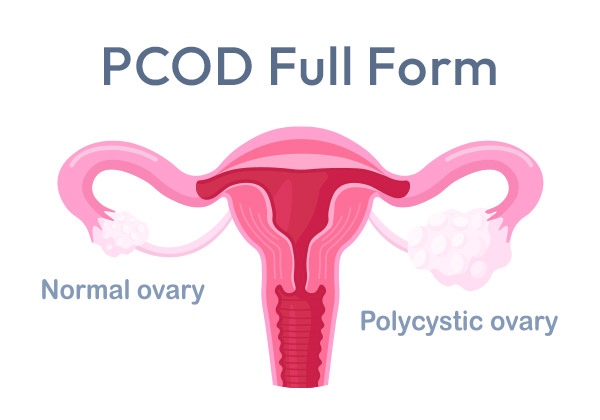
PCOS is one of the most frequent causes of irregular periods in urban populations like Vizag. It is characterized by an imbalance in reproductive hormones, leading to anovulation (the failure to release an egg). Symptoms often include missed periods, adult acne, hirsutism (excessive hair growth), and weight gain. Early diagnosis is vital to prevent long-term metabolic complications.
Endocrine and Thyroid Dysfunction
The thyroid gland regulates the body’s metabolism and directly impacts the menstrual cycle. Both hypothyroidism (underactive) and hyperthyroidism (overactive) can cause periods to become exceptionally heavy, light, or stop altogether. Similarly, elevated levels of the hormone prolactin can disrupt the hypothalamic-pituitary-ovarian axis, leading to irregularity.
Uterine Fibroids and Endometriosis
Structural issues within the uterus can also cause irregularities, particularly regarding flow volume. Uterine fibroids (non-cancerous growths) often cause Menorrhagia—extremely heavy or prolonged bleeding. Endometriosis, where tissue similar to the uterine lining grows elsewhere, can cause significant pelvic pain and spotting between cycles.
Key Insights: Practical Guidance for Monitoring
If you suspect your cycle is irregular, follow these clinical steps to prepare for a consultation:
- Track Your Cycle for 3 Months: Use a dedicated app or a calendar to record the exact start and end dates. Note the number of pads or tampons used to quantify flow.
- Observe Associated Symptoms: Note if irregularities are accompanied by pelvic pain, hair loss, or sudden changes in skin texture.
- Monitor Lifestyle Factors: Rapid weight loss or gain, extreme exercise, and high levels of cortisol (stress) can temporarily halt ovulation.
- Check for Medication Side Effects: Certain medications, including blood thinners and hormonal contraceptives, can alter menstrual patterns.

When to Seek Medical Help
Medical professionals advise seeking an evaluation if you experience “clinical red flags.” You should consult a specialist if:
- Sudden Amenorrhea: Your periods stop for more than 90 days without pregnancy.
- Extreme Hemorrhage: You soak through one or more pads every hour for several hours.
- Post-Coital Bleeding: You experience spotting or bleeding after intercourse.
- Severe Dysmenorrhea: Menstrual cramps that are debilitating and do not respond to over-the-counter pain relief.
- Post-Menopausal Bleeding: Any bleeding that occurs after you have gone 12 consecutive months without a period.
3. Visakhapatnam Women’s Healthcare
People in Visakhapatnam seeking women’s healthcare often consult qualified specialists to address concerns regarding reproductive health. Clinics in areas such as Madhurawada, MVP Colony, and Dwaraka Nagar provide access to diagnosis and treatment through advanced hormonal testing and pelvic ultrasounds. Facilities like Vedanta Speciality Clinics are among those offering structured care for such conditions, helping patients in the Vizag region identify the root cause of cycle disruptions.
4. FAQ SECTION
Is it normal for my period to be a few days late?
Yes, it is clinically normal for a cycle to fluctuate by a few days occasionally. Factors like travel, stress, or a change in diet can delay ovulation. However, if your cycle is consistently more than 7 to 10 days late every month, it is considered irregular.
Can stress cause me to skip a period?
Absolutely. High levels of stress increase cortisol, which can suppress the hypothalamus. This gland controls the pituitary, which in turn signals the ovaries to ovulate. If the signal is disrupted, your body may skip a period entirely for that month.
What is the connection between PCOS and irregular periods?
In PCOS, the hormonal imbalance prevents the follicles in the ovaries from maturing and releasing an egg. Because ovulation does not occur, the uterine lining does not receive the signal to shed, leading to missed or highly unpredictable periods.
Should I worry about light spotting between periods?
While “ovulation spotting” can be normal for some, mid-cycle bleeding can also indicate cervical polyps, hormonal fluctuations, or infections. If spotting is persistent or accompanied by pain, it is best to consult a specialist to rule out structural issues.
Does thyroid medication fix irregular periods?
If the irregularity is caused by a thyroid imbalance, treating the underlying condition with thyroid hormone replacement or antithyroid medication often restores the menstrual cycle to a regular 28–32 day pattern within a few months of achieving hormonal stability.
When is heavy bleeding considered a medical emergency?
Heavy bleeding is an emergency if you are soaking through a sanitary pad every hour, passing blood clots larger than a quarter, or feeling dizzy and faint. This could indicate severe anemia or a significant uterine issue requiring immediate clinical care.
5. CONCLUSION
In summary, while minor variations in the menstrual cycle are common, knowing when should you worry about period irregularities empowers you to take control of your long-term health. Persistent changes in frequency, flow, or pain levels should not be ignored, as they are often the body’s first signal of a manageable hormonal or structural condition. Seeking guidance from an experienced women’s healthcare specialist can help ensure proper diagnosis and personalized care.




Leave a Comment