
Table of Contents
Why Is My Period So Heavy and Painful? Causes and Relief Options
If you find yourself asking why is my period so heavy and painful every month, you are likely exhausted by the constant physical discomfort and planning your life around your cycle. Struggling through heavy bleeding that requires double protection, passing large clots, or enduring severe lower belly cramps that keep you in bed is a genuinely difficult experience.
Many women quietly put up with these symptoms, believing that heavy or severe periods are simply their personal norm. You might have been told by well-meaning relatives that period pain is just a natural burden of womanhood. However, experiencing both heavy bleeding and intense pelvic pain is your body’s way of signaling an underlying physical or hormonal shift.
The reassuring news is that you do not have to live with monthly exhaustion. By understanding what happens inside your reproductive system, recognizing common causes like fibroids or hormonal imbalances, and knowing when to consult a specialist, you can find effective relief and restore your quality of life.
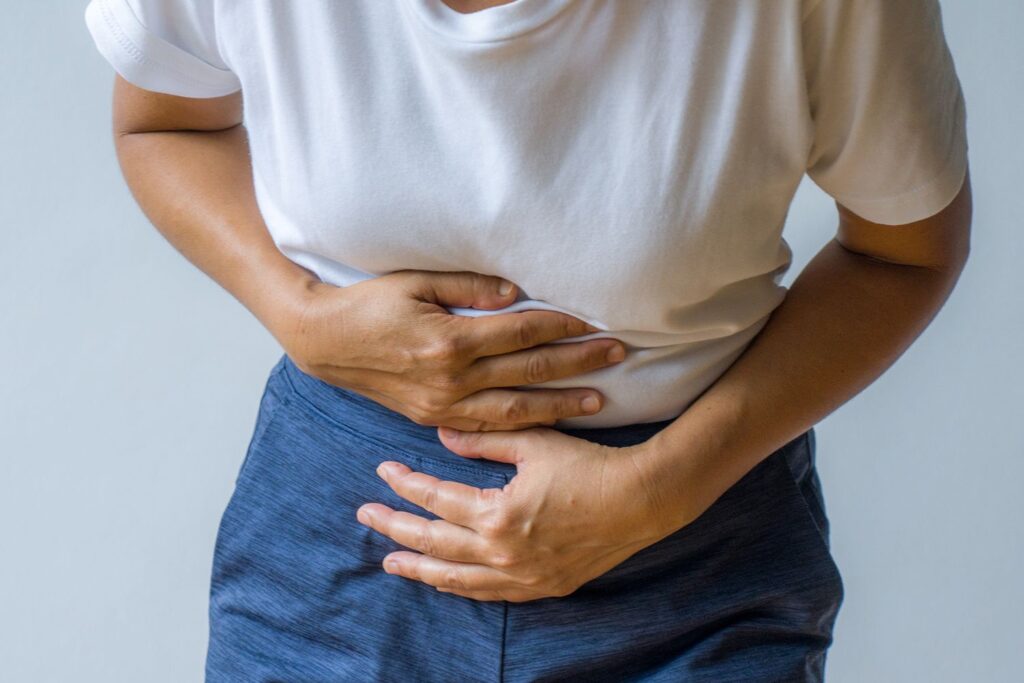
What Are Heavy and Painful Periods?
Heavy and painful periods combine menorrhagia (excessive menstrual blood loss exceeding 80 ml per cycle or bleeding lasting over 7 days) with dysmenorrhea (severe uterine cramping). This dual presentation is commonly caused by uterine fibroids, adenomyosis, endometriosis, copper IUD placement, or endocrine imbalances like thyroid dysfunction.
How Common Is This Issue Among Indian Women?
If you feel overwhelmed by your cycle, know that millions of women across India face the exact same monthly struggle.
Data published by the Federation of Obstetric and Gynaecological Societies of India (FOGSI) indicates that nearly 25% to 35% of Indian women in their reproductive years experience abnormally heavy menstrual bleeding, with over half reporting severe accompanying cramps.
Prevalence of Heavy & Painful Period Factors in Indian Women
[█████████████████████████████████████████] ~50% Associated Iron-Deficiency Anaemia (Low hemoglobin)
[████████████████████████████████░░░░░░░░░] ~35% Structural Causes (Uterine Fibroids or Polyps)
[████████████████████████░░░░░░░░░░░░░░░░░] ~25% Hormonal Dysregulation (PCOS or Thyroid Imbalances)
[████████████████░░░░░░░░░░░░░░░░░░░░░░░░░] ~20% Tissue Disorders (Adenomyosis or Endometriosis)
Furthermore, heavy bleeding is a leading driver of nutritional anaemia among urban and rural women alike. In coastal cities like Visakhapatnam, where busy work schedules and family responsibilities demand energy, persistent fatigue from blood loss can severely impact daily living. Consulting an empathetic lady gynecologist Vizag helps identify root causes early before iron reserves are completely drained.
Signs and Symptoms You May Notice
When your cycle is unusually heavy and painful, your body exhibits both physical flow changes and broader systemic signals. You may notice:
┌─────────────────────────────────────────────────────────────────────────────┐
│                   SIGNS OF HEAVY & PAINFUL MENSTRUATION                     │
├──────────────────┬───────────────────────────┬──────────────────────────────┤
│ Category         │ What You May Notice       │ Clinical Basis               │
├──────────────────┼───────────────────────────┼──────────────────────────────┤
│ Menstrual Flow   │ Soaking 1+ pads per hour; │ Uterine lining shedding in   │
│ Characteristics  │ passing coin-sized clots  │ large, uncoordinated volumes │
├──────────────────┼───────────────────────────┼──────────────────────────────┤
│ Pelvic Pain &    │ Throbbing, sharp cramps;  │ Elevated prostaglandins or   │
│ Pressure         │ deep pelvic heaviness     │ muscular wall stretch/spasm  │
├──────────────────┼───────────────────────────┼──────────────────────────────┤
│ Systemic &       │ Severe fatigue, pale skin,│ Acute or chronic iron loss   │
│ Blood Loss Signs │ dizziness, rapid heart rate leading to low hemoglobin    │
├──────────────────┼───────────────────────────┼──────────────────────────────┤
│ Cycle Duration   │ Bleeding extending beyond │ Prolonged uterine shedding   │
│ & Spotting       │ 7 days or intermenstrual  │ or uncoordinated hormonal    │
│                  │ spotting                  │ withdrawal                   │
└──────────────────┴───────────────────────────┴──────────────────────────────┘
- Frequent Pad Changes: Needing to change heavy-absorbency sanitary pads or tampons every one to two hours for several consecutive hours.
- Passing Large Blood Clots: Noticing dark red or jelly-like blood clots larger than a ten-rupee coin in your flow.
- Severe Pelvic Throbbing: Sharp, cramping pain in your lower belly that radiates down your thighs and lower back, often unhelped by light rest.
- Pronounced Fatigue and Dizziness: Feeling unusually weak, short of breath, or lightheaded when standing up—key indicators of low blood hemoglobin.
- Bleeding for More Than 7 Days: A prolonged menstrual flow that drags on past a full week without fully clearing up.
Root Causes: Why Is Your Period So Heavy and Painful?
Several distinct physical and hormonal factors can cause your uterus to bleed heavily while contracting intensely:
                      ┌────────────────────────────────────────┐
                      │    ROOT CAUSES OF HEAVY, PAINFUL PERIODS│
                      └───────────────────┬────────────────────┘
                                          │
         ┌───────────────────┬────────────┴────────────┬───────────────────┐
         ▼                   ▼                         ▼                   ▼
┌─────────────────┐ ┌─────────────────┐       ┌─────────────────┐ ┌─────────────────┐
│ Structural      │ │ Uterine Tissue  │       │ Hormonal        │ │ Systemic &      │
│ Factors         │ │ Conditions      │       │ Imbalances      │ │ Other Factors   │
│ Uterine fibroids│ │ Adenomyosis,    │       │ Anovulatory     │ │ Thyroid issues, │
│ & uterine polyps│ │ endometriosis   │       │ cycles, PCOS    │ │ Copper IUD, NSAID│
└─────────────────┘ └─────────────────┘       └─────────────────┘ └─────────────────┘
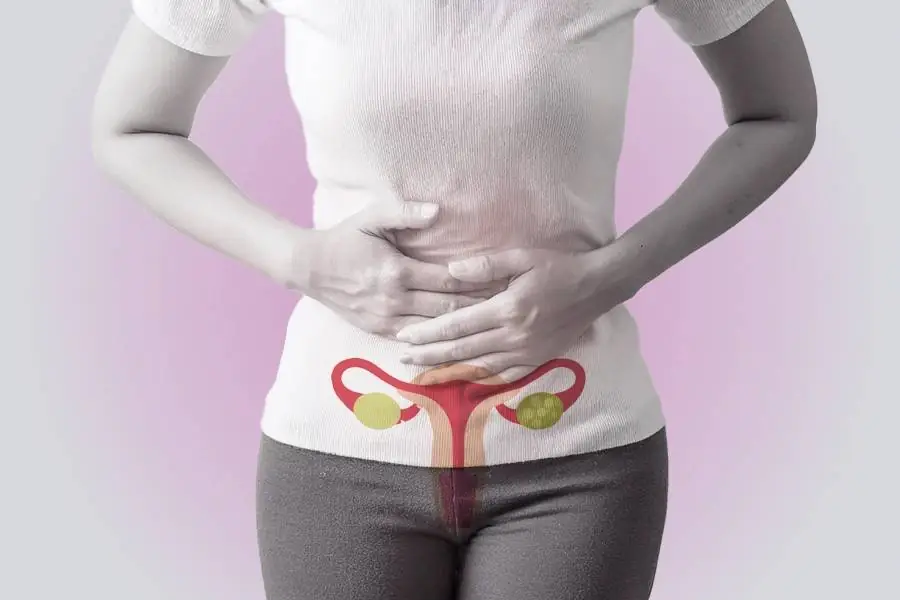
1. Uterine Fibroids (Leiomyomas)
Fibroids are non-cancerous muscular growths that develop within the walls of the uterus.
- Why they cause pain and heavy flow: Fibroids increase the overall surface area of the uterine lining, preventing the uterine muscle from contracting efficiently to shut off bleeding blood vessels.
2. Adenomyosis
Adenomyosis occurs when the tissue that normally lines the inside of the uterus begins growing directly into the thick muscular uterine wall.
- Why it causes pain and heavy flow: The trapped lining tissue thickens and bleeds with every monthly cycle, causing the uterine wall to become enlarged, boggy, extremely tender, and prone to heavy, painful spasms.
3. Endometriosis
Endometriosis involves endometrial-like tissue growing outside the uterus—on the ovaries, outer uterine wall, fallopian tubes, or pelvic ligaments.
- Why it causes pain and heavy flow: These misplaced tissue patches respond to monthly hormonal cycles by swelling and bleeding internally, triggering chronic inflammation, pelvic adhesions, and deep cramps.
4. Hormonal Imbalances and Anovulatory Cycles
When your body does not release an egg during a cycle (anovulation), your estrogen levels remain high without sufficient progesterone to balance them.
- Why it causes pain and heavy flow: The uterine lining becomes unusually thick and unstable. When it finally sheds, it breaks down irregularly, producing prolonged, heavy bleeding accompanied by sharp cramps.
5. Thyroid Dysfunction and Systemic Health Issues
Both an underactive thyroid (hypothyroidism) and an overactive thyroid can disturb menstrual cycles. Hypothyroidism in particular impairs normal blood clotting proteins and disrupts estrogen regulation, often leading to heavier, painful periods.
How Is the Underlying Cause Diagnosed?
If you are struggling with heavy bleeding, a evaluation with a women’s health specialist Visakhapatnam provides answers through a clear, reassuring diagnostic process:
┌─────────────────────────────────────────────────────────────────────────────┐
│                 DIAGNOSTIC WORKUP FOR HEAVY, PAINFUL PERIODS                │
├─────────────────────────────────────┬───────────────────────────────────────┤
│ Diagnostic Step                     │ Purpose & What to Expect              │
├─────────────────────────────────────┼───────────────────────────────────────┤
│ Clinical History & Flow Log         │ Reviews cycle length, pad count, clot │
│                                     │ size, and daily pain severity         │
├─────────────────────────────────────┼───────────────────────────────────────┤
│ Pelvic Ultrasound Scan              │ Non-invasive imaging to check for     │
│ (Abdominal or Transvaginal)         │ fibroids, polyps, or adenomyosis      │
├─────────────────────────────────────┼───────────────────────────────────────┤
│ Complete Blood Count (CBC) & TSH    │ Measures hemoglobin, ferritin (iron   │
│                                     │ stores), and thyroid function         │
├─────────────────────────────────────┼───────────────────────────────────────┤
│ Endometrial Assessment (If needed)  │ Evaluates uterine lining thickness in │
│                                     │ women experiencing irregular spotting │
└─────────────────────────────────────┴───────────────────────────────────────┘
- Detailed Clinical Consultation: Discussing your cycle pattern, pad usage, clot size, and how pain affects your routine.
- Pelvic Ultrasound Scan: A safe, detailed imaging test that allows your doctor to visualize the uterus, measure lining thickness, and identify fibroids or adenomyosis.
- Blood Tests: Checking complete blood counts (to evaluate anemia) and measuring TSH levels to rule out thyroid imbalances.
What Are the Treatment Options?
Modern gynaecology offers a wide array of non-invasive and minimally invasive treatments tailored to your specific diagnosis and family planning goals:
┌─────────────────────────────────────────────────────────────────────────────┐
│                     TREATMENT OPTIONS FOR HEAVY PERIODS                     │
├───────────────────┬───────────────────────────┬─────────────────────────────┤
│ Treatment Type    │ Medical Approach          │ Primary Benefit             │
├───────────────────┼───────────────────────────┼─────────────────────────────┤
│ Non-Hormonal      │ Anti-prostaglandins and   │ Reduces flow volume and     │
│ Medications       │ antifibrinolytic agents   │ eases cramps during menses  │
├───────────────────┼───────────────────────────┼─────────────────────────────┤
│ Hormonal          │ Low-dose oral pills or    │ Thins uterine lining and    │
│ Therapies         │ hormone-releasing IUDs    │ provides long-term relief   │
├───────────────────┼───────────────────────────┼─────────────────────────────┤
│ Iron Restorative  │ Oral iron supplements or  │ Restores lost hemoglobin and│
│ Support           │ dietary adjustments       │ eliminates chronic fatigue  │
├───────────────────┼───────────────────────────┼─────────────────────────────┤
│ Targeted Medical  │ Specialized procedures for│ Addresses large fibroids or │
│ Procedures        │ fibroids or polyps        │ severe tissue changes       │
└───────────────────┴───────────────────────────┴─────────────────────────────┘
- Anti-Prostaglandin Medications: Short courses of anti-inflammatory medications taken on heavy days reduce blood flow volume and relieve uterine muscle cramping.
- Hormonal Regulation Options: Oral contraceptive pills, progesterone therapy, or a hormone-releasing Intrauterine System (IUS) thin the uterine lining, significantly reducing bleeding and pain.
- Iron Replenishment Therapy: Targeted iron supplements rebuild depleted hemoglobin levels and restore your daily energy.
- Targeted Procedures: For larger fibroids or structural polyps, a gynaecologist may recommend minimally invasive removal procedures to provide lasting relief.
When Should You See a Doctor?
While occasional heavier days can happen due to temporary stress, persistent heavy flow accompanied by severe pain warrants a prompt medical checkup.
┌─────────────────────────────────────────────────────────────────────────────┐
│                          WHEN TO SEEK CLINICAL CARE                         │
├─────────────────────────────────────┬───────────────────────────────────────┤
│ Manageable Cycle Symptoms           │ Red Flags Needing Prompt Evaluation   │
├─────────────────────────────────────┼───────────────────────────────────────┤
│ • Mild to moderate flow requiring   │ • Soaking through 2+ pads an hour for │
│   3 to 4 pads per day               │   two or more consecutive hours       │
│ • Light cramping eased by heat      │ • Passing clots larger than a coin    │
│ • Cycle lasting 4 to 6 days         │ • Severe pain unmanaged by OTC meds   │
│                                     │ • Dizziness, pale skin, or fainting   │
└─────────────────────────────────────┴───────────────────────────────────────┘
You should seek clinical care from a qualified obstetrician in Vizag if:
- You soak through one or more heavy pads per hour for two or more hours in a row.
- You consistently pass large blood clots larger than a coin.
- Your menstrual pain forces you to miss work, college, or normal daily activities every month.
- You feel constantly exhausted, dizzy, short of breath, or pale during or after your cycle.
- You experience irregular bleeding or spotting between your regular menstrual periods.
If you recognise several of these symptoms in yourself, speaking to a qualified gynaecologist is the most important next step. Dr. Devani Chalamuri at Vedanta Speciality Clinics in Madhurawada, Vizag specialises in managing heavy menstrual bleeding and offers compassionate, evidence-based care for women across Visakhapatnam.
Frequently Asked Questions
Why is my period so heavy and painful all of a sudden?
Sudden heavy and painful bleeding can stem from hormonal fluctuations, structural developments like uterine fibroids or polyps, pelvic inflammation, or conditions like adenomyosis. A clinical assessment helps pinpoint the exact cause.
How do I know if my period bleeding is abnormally heavy?
Bleeding is considered heavy (menorrhagia) if you need to change double-padded sanitary protection every 1–2 hours, pass clots larger than a coin, bleed for longer than seven days, or feel constantly exhausted during your cycle.
Which doctor should I consult for heavy and painful periods in Vizag?
You should consult an experienced lady gynecologist and women’s health specialist. Dr. Devani Chalamuri at Vedanta Speciality Clinics in Madhurawada offers comprehensive diagnostic evaluations, pelvic scans, and treatment plans in Visakhapatnam.
Can thyroid problems cause heavy and painful menstrual bleeding?
Yes, an underactive thyroid (hypothyroidism) directly alters blood clotting mechanisms and reproductive hormone signaling, often causing heavier, longer, and more uncomfortable periods.
Can I get an ultrasound and period treatment in Madhurawada?
Yes, women residing in Madhurawada and surrounding Vizag areas can undergo complete gynaecological consultations, pelvic ultrasounds, and specialized care locally at Vedanta Speciality Clinics.
Does heavy period bleeding cause severe iron deficiency or anaemia?
Losing high volumes of blood month after month depletes your body’s iron stores, frequently leading to iron deficiency anaemia. Symptoms include severe fatigue, pale nails, dizziness, and shortness of breath.
What is the difference between endometriosis and adenomyosis?
Endometriosis occurs when lining tissue grows outside the uterus on ovaries or pelvic walls. Adenomyosis occurs when lining tissue grows deep into the muscular wall of the uterus itself, making it enlarged and tender.
When should I see a gynecologist in Vizag for heavy periods?
You should schedule a checkup if you soak through pads hourly, pass large blood clots, feel faint or unusually tired, or experience cramps that fail to respond to standard home remedies.
Empowering Your Menstrual Health
Finding an answer to why is my period so heavy and painful is the first step toward taking back control of your health and monthly routine. Heavy bleeding and severe cramps are common physical signals, not personal weaknesses, and modern gynaecological care offers gentle, highly effective solutions.
You do not have to endure monthly exhaustion, low iron levels, or severe pain in silence. Partnering with a caring specialist allows you to find the root cause, protect your blood health, and look forward to predictable, comfortable cycles.
If you are experiencing heavy bleeding or painful periods, Dr. Devani Chalamuri at Vedanta Speciality Clinics, Madhurawada, Vizag is available for a consultation.

Leave a Comment