
Table of Contents
Can PCOS Affect Fertility? Full Explanation of the Biological Connection
For many women, a diagnosis of Polycystic Ovary Syndrome (PCOS) brings an immediate and often overwhelming concern: “Will I be able to have children?” As a leading cause of female infertility globally, PCOS is frequently misunderstood as a definitive barrier to motherhood. However, the reality is far more nuanced. While the condition presents specific biological challenges to conception, it is not a diagnosis of sterility.
Understanding the relationship between PCOS and reproductive health requires a deep dive into the endocrine system. The hormonal imbalances characteristic of the syndrome—specifically involving insulin and androgens—disrupt the predictable rhythm of the menstrual cycle. This guide provides a comprehensive medical explanation of how PCOS impacts the body’s ability to conceive and the clinical pathways available to overcome these hurdles.
Overview of PCOS and Reproductive Function
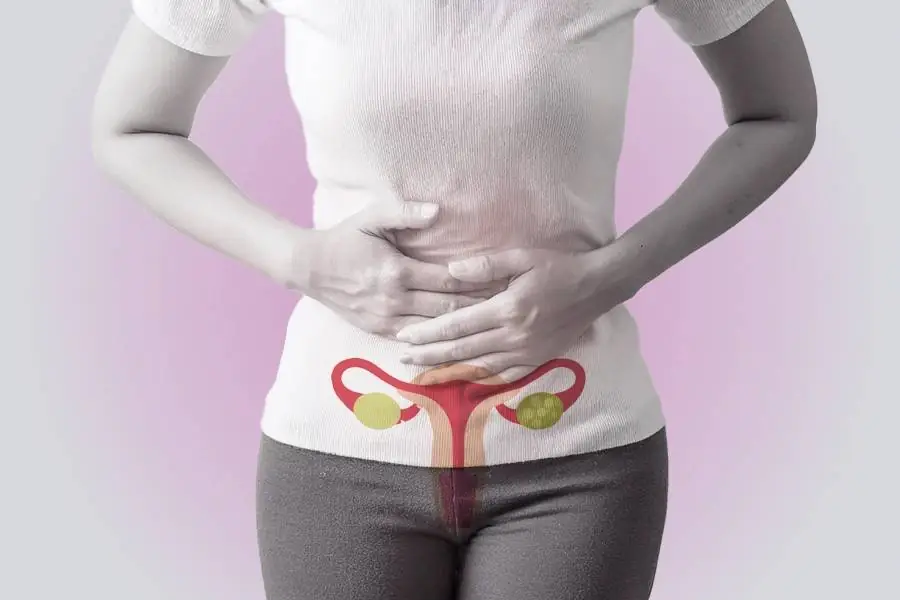
How does PCOS affect fertility? The primary reason PCOS impacts fertility is through anovulation, a clinical state where the ovaries do not release an egg during the menstrual cycle. In a typical cycle, hormones signal follicles in the ovary to mature and release an egg. In women with PCOS, elevated levels of insulin and androgens (male hormones) interfere with this signal.
Instead of maturing, the follicles remain as small, fluid-filled sacs—often referred to as “cysts”—and the egg is never released. Without ovulation, fertilization cannot occur. Additionally, PCOS can affect the quality of the uterine lining and the timing of the “fertile window,” making natural conception more difficult to track.
The Biological Mechanisms: Causes and Explanations
1. Chronic Anovulation and Irregular Cycles
The hallmark of PCOS is hormonal “noise.” Excessive Luteinizing Hormone (LH) or high levels of Insulin can cause the ovaries to produce too much testosterone. This androgen excess halts the development of follicles. When ovulation is infrequent (oligovulation) or absent (anovulation), the opportunities for pregnancy are significantly reduced.
2. Insulin Resistance and Egg Quality
Insulin resistance affects approximately 70% of women with PCOS. High levels of circulating insulin can negatively impact the microenvironment of the ovaries. Clinical research suggests that hyperinsulinemia may impair the quality of the oocytes (eggs), potentially leading to lower fertilization rates or a higher risk of early pregnancy loss.
3. Hormonal Imbalance and the Endometrium
Progesterone is the hormone responsible for “ripening” the uterine lining (endometrium) for implantation. In anovulatory cycles, progesterone levels remain low. This can result in a lining that is either too thin for implantation or excessively thick due to unopposed estrogen, which may affect the stability of a pregnancy.
Key Insights and Practical Guidance
If you are planning to conceive with PCOS, a proactive and structured approach can significantly improve outcomes.
- Metabolic Stabilization: Addressing insulin resistance through a low-glycemic diet and regular physical activity is often the first line of treatment. Even a 5% reduction in body weight has been shown to restore spontaneous ovulation in many women.
- Tracking Beyond Calendars: Standard period-tracking apps often fail for women with PCOS. Using Basal Body Temperature (BBT) monitoring or cervical mucus tracking provides more accurate data on whether ovulation is actually occurring.
- Ovulation Induction: Modern medicine offers highly effective oral medications, such as Letrozole or Clomiphene Citrate, which help stimulate the ovaries to release an egg.
- Supplementation: Evidence suggests that supplements like Inositol (specifically Myo-inositol and D-chiro-inositol) can improve insulin sensitivity and egg quality.

When to Seek Medical Help
Navigating fertility with PCOS is more efficient with early intervention. Clinical guidelines recommend seeking a specialist’s help if:
- Irregular Cycles: You have fewer than nine periods a year or cycles longer than 35 days.
- Unsuccessful Conception: You have been trying to conceive for 12 months (if under 35) or 6 months (if over 35).
- Known PCOS Diagnosis: If you already know you have PCOS, it is advisable to consult a professional before you start trying, to optimize your metabolic health.
- Recurrent Miscarriage: PCOS is associated with a higher risk of early loss; a specialist can monitor progesterone and insulin levels to provide support.
3. Visakhapatnam Section
People in Visakhapatnam seeking women’s healthcare often consult qualified specialists to manage the complexities of PCOS-related fertility. Clinics in areas such as Madhurawada, MVP Colony, and Dwaraka Nagar provide access to advanced diagnosis and follicular monitoring. Facilities like Vedanta Speciality Clinics are among those offering structured care for such conditions, ensuring residents of Vizag receive evidence-based treatments like ovulation induction and metabolic counseling.
4. FAQ SECTION
Is PCOS a permanent cause of infertility?
No, PCOS is not a permanent cause of infertility. It is a condition that causes “subfertility” primarily due to irregular ovulation. With appropriate lifestyle changes, weight management, and medical treatments like ovulation induction, the majority of women with PCOS are able to conceive and have healthy pregnancies.
Can I get pregnant naturally with PCOS?
Yes, it is entirely possible to get pregnant naturally with PCOS, especially if you have occasional spontaneous ovulation. Improving insulin sensitivity through diet and exercise often helps regulate the menstrual cycle, increasing the chances of natural conception without the need for intensive medical intervention.
How does insulin resistance affect my chance of conceiving?
Insulin resistance leads to high insulin levels, which trigger the ovaries to produce excess testosterone. This androgen excess prevents follicles from maturing and releasing eggs. By managing insulin levels, you can lower testosterone, which often allows the body to resume a normal ovulatory cycle.
Does PCOS increase the risk of miscarriage?
Some studies indicate that women with PCOS may have a higher risk of early pregnancy loss. This is often linked to high insulin levels, hormonal imbalances, or poor egg quality. However, with proper prenatal care and metabolic management, most women with PCOS go on to have successful full-term pregnancies.
What is the most successful treatment for PCOS infertility?
Lifestyle modification is the foundational treatment. Medically, ovulation induction using medications like Letrozole is currently considered one of the most successful and first-line treatments. If oral medications are unsuccessful, other options like Gonadotropins or IVF (In Vitro Fertilization) are highly effective alternatives.
Should I take Metformin to help me get pregnant with PCOS?
Metformin is an insulin-sensitizing medication often used “off-label” to help women with PCOS. By improving how the body handles insulin, it can lower androgen levels and sometimes restore regular ovulation. It is often used in combination with other fertility treatments under strict medical supervision.
5. CONCLUSION
In summary, while PCOS introduces obstacles to the reproductive process, it does not close the door on fertility. By understanding the hormonal triggers—particularly the role of insulin and androgens—women can take actionable steps to restore ovulation and improve egg quality. Success often lies in a combination of diligent lifestyle shifts and targeted medical support. Seeking guidance from an experienced women’s healthcare specialist can help ensure proper diagnosis and personalized care


Leave a Comment