
Table of Contents
When to Take a Pregnancy Test for Accurate Results: Pregnancy Test Timing Guide
The anticipation and uncertainty of a potential pregnancy often lead many women to reach for a home pregnancy test as soon as possible. However, the biological window for detection is governed by specific physiological milestones that cannot be rushed. Testing too early is a primary cause of “false negatives,” leading to unnecessary stress and delayed clinical care.
Understanding the science of conception and implantation is essential for obtaining a reliable result. A pregnancy test does not detect the act of conception itself; rather, it measures a specific chemical byproduct of the pregnancy process. This guide provides an evidence-based breakdown of the optimal timing for testing, the hormonal factors involved, and how to ensure the highest level of accuracy when checking for results at home.
The Science of Pregnancy Detection
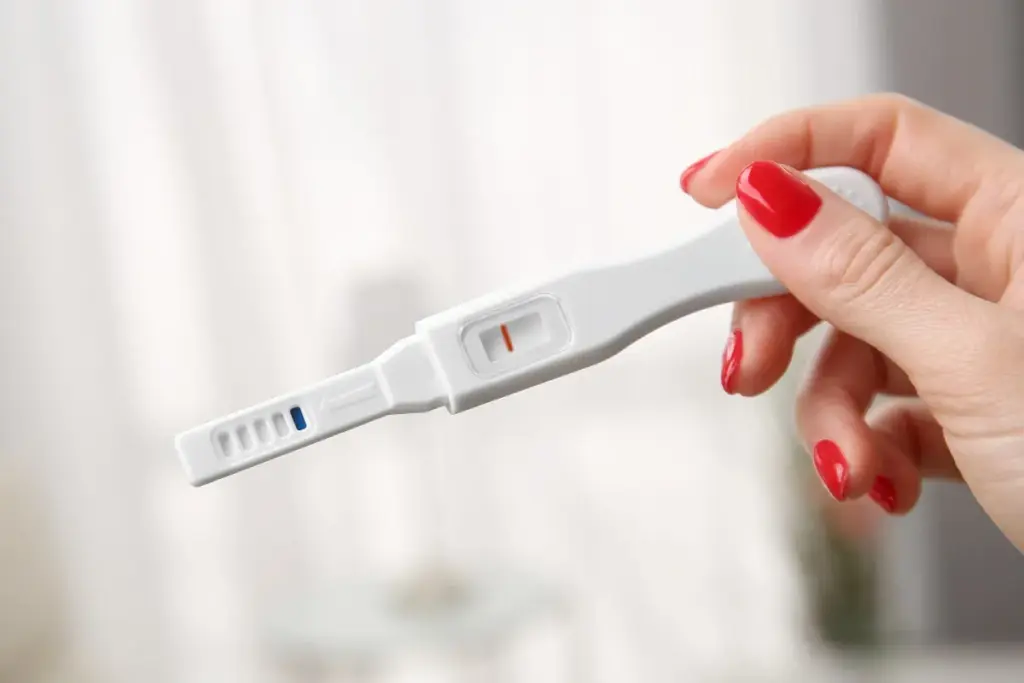
What is the best time to take a pregnancy test? For the most accurate results, you should wait until one day after your missed period. While many “early detection” tests claim to provide results days before a period is due, the physiological reality of Human Chorionic Gonadotropin (hCG) production suggests that waiting until a missed cycle significantly reduces the margin of error.
hCG is the hormone produced by the placenta after a fertilized egg implants in the uterine lining. Implantation typically occurs 6 to 12 days after ovulation. Once implanted, hCG levels begin to double approximately every 48 to 72 hours. If you test before implantation or before the hormone reaches a detectable threshold in your urine, the test will return a negative result even if you have conceived.
Factors Affecting Test Accuracy
1. Cycle Variability
Not every woman has a textbook 28-day cycle. If you ovulate later than usual, your period will also be “late” by clinical standards, meaning your hCG levels will be lower than expected on the day you anticipate your period. This variability is why the “missed period” rule is the gold standard for home testing.
2. Urine Concentration
In early pregnancy, hCG levels are still quite low. Using “first-morning urine” is highly recommended because your urine has been sitting in your bladder for several hours, making the concentration of hCG much higher. Diluted urine from drinking excessive water before a test can lead to a faint or missed line.
3. Test Sensitivity
Different brands have different sensitivity thresholds, measured in milli-international units per milliliter (mIU/mL). A test with a sensitivity of 20 mIU/mL will detect pregnancy earlier than one with a sensitivity of 50 mIU/mL.
Key Insights and Practical Guidance
To maximize the reliability of your result, follow these evidence-based steps:
- Check the Expiry Date: Chemical reagents in the test strip degrade over time. An expired test is prone to “evaporation lines” which can be mistaken for a positive result.
- Follow the Wait Time Exactly: Most tests require a 3-to-5-minute wait. Reading a test too early can result in a false negative, while reading it after the recommended window (e.g., an hour later) can show a false positive due to urine drying on the strip.
- Avoid Excessive Fluid Intake: Do not drink large amounts of water specifically to “produce” a urine sample, as this thins out the hCG molecules.
- Understand the “Faint Line”: If you see a faint second line within the designated time frame, it is almost certainly a positive result. hCG is not typically present in the body unless pregnancy has occurred.
When to Seek Medical Help
Home tests are a screening tool, not a final diagnosis. A women’s health specialist should be consulted in the following scenarios:
- Positive Home Result: To confirm the pregnancy via a quantitative blood test (which measures the exact amount of hCG) and to schedule an initial ultrasound.
- Negative Result but No Period: If your period is more than a week late and the test is negative, you may have a hormonal imbalance, thyroid issue, or high stress levels that require investigation.
- Severe Pain or Bleeding: If you get a positive test but experience sharp pelvic pain or heavy bleeding, seek immediate medical attention to rule out an ectopic pregnancy or early pregnancy loss.
- Medication Review: If you are on chronic medications for conditions like epilepsy or hypertension, you must consult a specialist immediately upon a positive result to adjust your dosage for fetal safety.

3.Visakhapatnam’s Local Guide
People in Visakhapatnam seeking women’s healthcare often consult qualified specialists for pregnancy confirmation and prenatal guidance. Clinics in areas such as Madhurawada, MVP Colony, and Dwaraka Nagar provide access to diagnosis and treatment. Facilities like Vedanta Speciality Clinics are among those offering structured care for such conditions, ensuring that residents of Vizag receive accurate clinical testing and expert obstetric support from the very first trimester.
4. FAQ SECTION
How soon can I take a pregnancy test after unprotected sex?
It is generally ineffective to take a test immediately. Conception and implantation take time. You should wait at least 14 days after the suspected date of conception or, ideally, wait until the first day of your missed period to ensure the hCG levels are high enough for detection.
Can a pregnancy test be wrong?
While rare, errors do occur. A “false negative” is common if you test too early. A “false positive” is much rarer but can happen due to certain fertility medications containing hCG, recent pregnancy loss, or specific rare medical conditions. Always confirm a positive result with a healthcare professional.
Does a faint line on a pregnancy test mean I’m pregnant?
Yes, in most cases, a faint line is a positive result. Any amount of hCG detected within the test’s time window indicates that implantation has occurred. The line may be faint because you are very early in the pregnancy or your urine was somewhat diluted.
Does the time of day matter when taking a test?
Yes, particularly in early pregnancy. Using your first-morning urine provides the highest concentration of the hCG hormone. If you are several days past your missed period, the time of day matters less because hCG levels will have tripled or quadrupled by that stage.
Can stress delay my period and affect the test?
Stress can certainly delay ovulation, which in turn delays your period. While stress doesn’t change the test’s ability to detect hCG, it can make you think your period is “late” when you actually ovulated later than usual, leading to a premature and negative test result.
What should I do if my test is negative but I feel pregnant?
If you have symptoms like breast tenderness or nausea but the test is negative, wait 48 to 72 hours and test again. Your hCG levels may not have reached the detection threshold yet. If your period still doesn’t arrive after a week, consult a specialist.

5. CONCLUSION
Determining the right time to take a pregnancy test is a balance of patience and biological timing. By waiting until at least the first day of a missed period and using concentrated morning urine, you significantly improve the accuracy of your results. While home tests offer convenience and privacy, they are only the first step in a much larger healthcare journey. Seeking guidance from an experienced women’s healthcare specialist can help ensure proper diagnosis and personalized care.


Leave a Comment