
Table of Contents
What Causes PCOS in Females? A Complete Guide to Root Causes and Care
If you are trying to understand what causes PCOS in females, you are not alone. Polycystic Ovary Syndrome (PCOS) is one of the most widely discussed hormonal conditions today, yet its underlying triggers can feel confusing and overwhelming when you are searching for clear answers.
Many women worry that they did something wrong to bring on these symptoms, but medical science shows that PCOS is a complex metabolic and hormonal condition rather than a personal failing. By exploring how genetics, insulin levels, and daily lifestyle factors interact, you can gain clarity and feel empowered to care for your body with confidence.
What Is PCOS?
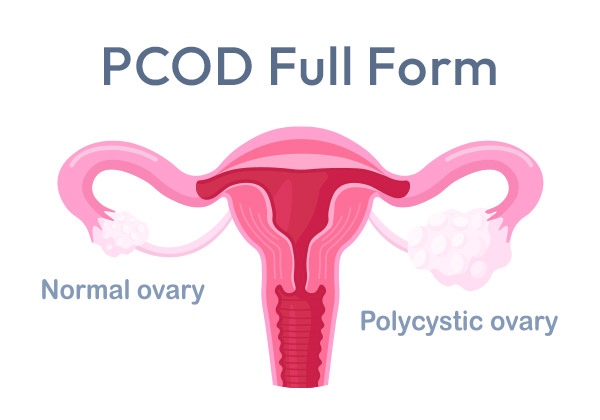
PCOS Definition: Polycystic Ovary Syndrome (PCOS) is a common endocrine and metabolic disorder in women of reproductive age. It is defined by a combination of irregular menstrual cycles, elevated levels of androgen hormones, and underdeveloped ovarian follicles that appear as small, fluid-filled sacs on an ultrasound scan.
Understanding this definition helps demystify the condition. Instead of viewing it as a permanent barrier, think of PCOS as a sensitive internal signal indicating that your endocrine and metabolic systems need gentle, consistent support.
How Common Is PCOS Among Indian Women?
PCOS is remarkably common across India, affecting women from diverse backgrounds and age groups. According to observational research and clinical studies supported by the Federation of Obstetric & Gynaecological Societies of India (FOGSI), approximately 1 in 5 Indian women of reproductive age lives with PCOS.
In growing coastal cities like Visakhapatnam, urban lifestyle shifts—such as longer desk hours, changing dietary patterns, and heightened daily stress—have led to increased reporting of metabolic disruptions. Knowing that millions of Indian women navigate this exact experience normalizes the condition and encourages open, healthy discussions about reproductive care.
What Are the Signs of PCOS in Women?
Because PCOS influences both your endocrine system and metabolism, its signs can vary significantly from person to person. While one woman might experience changes in her monthly cycle, another may notice physical changes on her skin or hair.
Here are the common indicators you may notice if your hormones are out of balance:
- Irregular or Absent Periods: Cycles that occur more than 35 days apart, unpredictable spotting, or skipping monthly periods altogether.
- Unexplained Weight Fluctuations: Gradual weight gain, particularly around the abdomen, or noticeable difficulty maintaining a steady weight.
- Excess Androgen Symptoms: Unwanted facial or body hair growth (hirsutism), persistent acne along the jawline and chin, or thinning scalp hair.
- Darkened Skin Folds: Smooth, velvety patches of darker skin behind the neck, under the arms, or around the groin, known clinically as acanthosis nigricans.
- Persistent Fatigue and Mood Shifts: Ongoing tiredness, brain fog, or feelings of anxiety that do not resolve with standard rest.
Root Causes: What Causes PCOS in Females?
When investigating what causes PCOS in females, medical research emphasizes that there is rarely a single isolated trigger. Instead, PCOS stems from a combination of metabolic, genetic, and environmental factors that influence your hormone production.
| Root Cause Factor | Biological Mechanism | Impact on Reproductive Health |
| Insulin Resistance | Pancreas produces extra insulin because body cells do not respond effectively to normal levels. | High insulin prompts the ovaries to produce excess testosterone, delaying ovulation. |
| Genetic Predisposition | Inherited gene variants related to hormone synthesis and glucose metabolism. | Increases baseline susceptibility if mothers, sisters, or aunts have similar cycle patterns. |
| Low-Grade Inflammation | White blood cells generate substances that trigger low-level systemic stress. | Stimulates polycystic ovaries to produce androgens and contributes to blood vessel stress. |
| Chronic Cortisol Stress | Adrenal glands release sustained levels of cortisol during prolonged mental or physical strain. | Disrupts the pituitary-ovarian axis, leading to irregular ovulation signals. |
1. Insulin Resistance and Metabolic Balance
Insulin is the essential hormone that helps your body convert food into energy. When cells become resistant to insulin, glucose builds up in the bloodstream. In response, your pancreas produces higher amounts of insulin to clear the glucose. This surplus insulin directly signals the ovaries to secrete higher levels of male hormones (androgens), which suppresses normal egg development.
2. Hereditary and Familial Connections
If your mother, sister, or aunt has experienced irregular periods, adult acne, or metabolic challenges like type 2 diabetes, you carry a higher genetic likelihood of developing PCOS. Genes dictate how your body processes sugar and regulates hormones, making family history a key clue in clinical evaluations.
3. Modern Environmental and Lifestyle Drivers
The transition toward refined, high-glycemic diets—such as processed flour, sugary snacks, and fast food—combined with sedentary daily routines, can exacerbate underlying insulin resistance. Furthermore, chronic stress from fast-paced routines elevates cortisol, which further disrupts delicate reproductive signals.

Step-by-Step: How Is PCOS Diagnosed?
Confirming a PCOS diagnosis is a structured, gentle, and collaborative process. Medical protocols follow established diagnostic standards, such as the Rotterdam Criteria, requiring at least two out of three key markers to confirm the condition.
- Detailed Consultation and History Review: A women’s health specialist sits down with you to review your cycle history, family health background, weight trends, and lifestyle habits.
- Physical and Clinical Evaluation: Your doctor checks for physical signs such as hair distribution patterns, skin pigmentation changes, and blood pressure readings.
- Hormonal and Blood Work Panels: Laboratory testing measures fasting glucose, insulin, thyroid-stimulating hormone (TSH), prolactin, and lipid profiles to evaluate metabolic stability.
- Pelvic Ultrasound Imaging: A non-invasive ultrasound scan examines the structure of your ovaries and assesses the endometrial lining to confirm if multiple small follicles are present.
Overview of Treatment and Management Approaches
Because PCOS presents uniquely in every woman, management is highly personalized. Rather than relying on a single quick fix, effective management addresses the root drivers like insulin sensitivity and hormone balance.
A gynaecologist may recommend a combination of tailored strategies based on your current health goals:
- Dietary Refinements: Emphasizing low-glycemic, fiber-rich whole foods like ragi, jowar, pulses, and green vegetables to manage insulin release.
- Regular Physical Activity: Combining moderate aerobic movement (brisk walking, swimming) with light strength training to improve cell insulin absorption.
- Targeted Medical Support: A doctor may suggest specific medications to regulate menstrual cycles, manage insulin sensitivity, or support ovulation for those planning a pregnancy.
- Stress and Sleep Optimization: Establishing consistent sleep habits and incorporating mindfulness techniques to balance adrenal hormones.
When Should You See a Doctor?
Knowing when to seek guidance ensures you receive timely support without feeling anxious. You should consider scheduling an appointment if you experience periods that are consistently spaced more than 35 days apart, unexplained weight changes, or sudden skin disruptions that affect your daily confidence.
If you recognise several of these symptoms in yourself, speaking to a qualified gynaecologist is the most important next step. Dr. Devani Chalamuri at Vedanta Speciality Clinics in Madhurawada, Vizag specialises in PCOS management and offers compassionate, evidence-based care for women across Visakhapatnam.
Frequently Asked Questions
Is it normal to have irregular periods in my 20s?
While an occasional delayed period due to short-term stress or travel can happen, consistently irregular cycles are a sign that your body requires attention. Consulting a lady gynecologist in Vizag helps identify whether underlying hormonal factors or metabolic shifts are responsible.
Which doctor should I see for PCOS in Vizag?
You should consult an experienced gynaecologist or women’s health specialist. Dr. Devani Chalamuri at Vedanta Speciality Clinics in Madhurawada offers comprehensive, empathetic care for women seeking diagnosis and management for PCOS in Visakhapatnam.
Can PCOS cause infertility in women?
PCOS is a common cause of subfertility because it affects how regularly an egg is released (ovulation). However, it does not mean permanent infertility. With proper medical guidance, lifestyle adjustments, and ovulation support, most women with PCOS achieve healthy pregnancies.
Is PCOS the same as PCOD?
While often used interchangeably, PCOD (Polycystic Ovarian Disease) is typically considered a milder condition where the ovaries release immature eggs due to minor hormonal imbalances. PCOS is a broader metabolic disorder involving deeper endocrine disruptions that require structured long-term care.
Can stress alone cause PCOS?
Stress alone does not directly create PCOS, but chronic stress elevates cortisol levels, which can worsen insulin resistance and further disrupt ovarian function in women who already have a predisposition to the condition.
What is the cost of a gynecologist consultation in Visakhapatnam?
Consultation fees for an experienced gynaecologist in Visakhapatnam generally range between ₹500 and ₹1,000, depending on the facility and the depth of assessment required.
Can I get prenatal care in Madhurawada if I have PCOS?
Yes, women in Madhurawada can access specialized preconception planning, prenatal care, and high-risk pregnancy support tailored for PCOS management at local centers like Vedanta Speciality Clinics.
Can I prevent PCOS if it runs in my family?
While you cannot alter genetic traits, adopting an active lifestyle, eating balanced whole foods, and managing stress can help prevent or delay the underlying insulin resistance that triggers noticeable PCOS symptoms.
Empowering Your Long-Term Health
Understanding what causes PCOS in females gives you the knowledge needed to take proactive care of your body. Remember that having PCOS does not define your future or limit your potential. With gentle lifestyle adjustments, balanced nutrition, and supportive clinical care, you can maintain harmony across your metabolic and reproductive health.
If you are experiencing any of these symptoms, Dr. Devani Chalamuri at Vedanta Speciality Clinics, Madhurawada, Vizag is available for a personalized consultation.


Leave a Comment