
Table of Contents
What Are High-Risk Pregnancies? A Comprehensive Clinical Overview
Pregnancy is a dynamic physiological journey, but for some women, specific medical or lifestyle factors necessitate an increased level of clinical surveillance. Understanding what are high-risk pregnancies is crucial for expectant mothers to ensure the safety of both themselves and their developing infants. A high-risk designation does not imply that a healthy delivery is impossible; rather, it indicates that the pregnancy requires a more structured management plan and specialized obstetric expertise.
In a medical hub like Visakhapatnam, advanced diagnostic tools and neonatal support systems have significantly improved outcomes for complex gestations. For many, the first step is identifying a qualified gynaecologist near me who specializes in maternal-fetal medicine. By recognizing risk factors early—ranging from maternal age to preexisting chronic conditions—healthcare providers can implement preventive strategies that mitigate potential complications during labor and delivery.
Definition and Overview
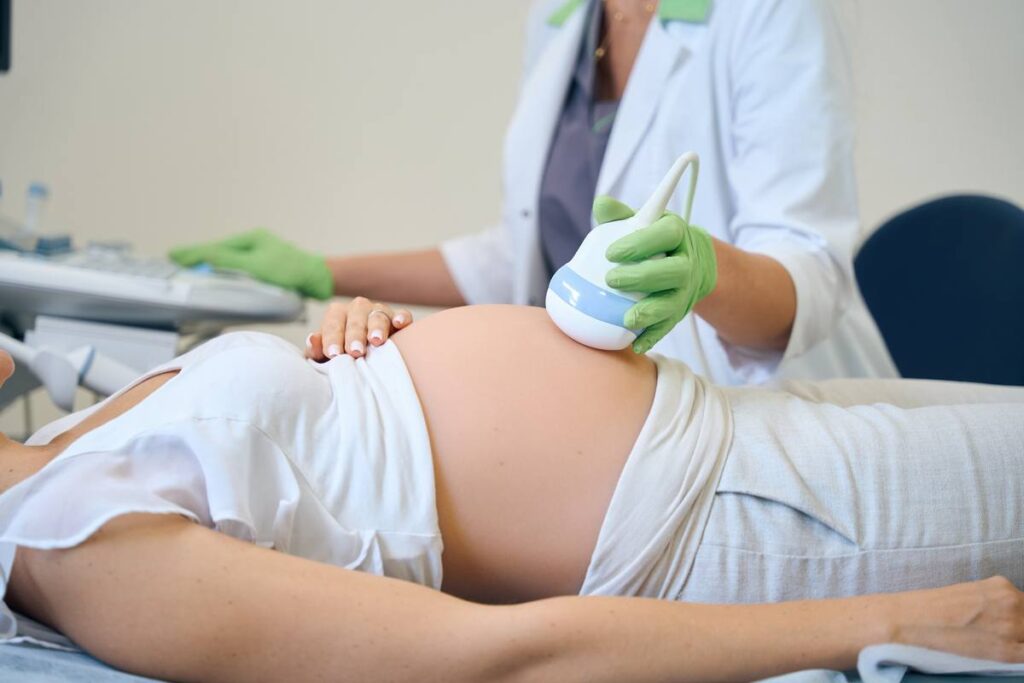
A high-risk pregnancy is defined as a gestation in which the mother, the fetus, or both have an increased chance of experiencing health complications before, during, or after delivery. Clinically, these pregnancies require monitoring by an obstetrician with experience in high-risk care to manage potential threats such as preterm labor, fetal growth restriction, or maternal systemic issues.
Common categorizations for high-risk pregnancies include:
- Maternal Age: Pregnancies in individuals younger than 17 or older than 35.
- Preexisting Medical Conditions: Such as hypertension, diabetes, or autoimmune disorders.
- Pregnancy-Related Conditions: Including gestational diabetes or pre-eclampsia.
- Multiple Gestations: Carrying twins, triplets, or higher-order multiples.
- Placental Abnormalities: Such as placenta previa or accreta.
Causes, Factors, and Clinical Explanations
Preexisting Health Conditions
A pregnancy often inherits the challenges of the mother’s baseline health. Chronic hypertension can lead to restricted blood flow to the placenta, while poorly managed Type 1 or Type 2 diabetes increases the risk of fetal macrosomia (large birth weight) and congenital anomalies. Additionally, conditions like Polycystic Ovary Syndrome (PCOS) can increase the risk of early pregnancy loss or gestational diabetes.
Gestational Complications
Sometimes, a risk factor emerges only after conception. Pre-eclampsia, characterized by a sudden onset of high blood pressure and protein in the urine, is a serious condition that can affect the mother’s kidney and liver function. Similarly, Gestational Diabetes Mellitus (GDM) occurs when the body cannot produce enough insulin during pregnancy, requiring strict nutritional and sometimes pharmacological management to ensure the baby’s growth remains within a healthy percentile.
Fetal and Structural Factors
The health of the fetus is a primary determinant of the “high-risk” label. If a routine ultrasound, such as a TIFFA scan, reveals structural anomalies or if a Doppler study indicates restricted blood flow in the umbilical artery, the pregnancy is classified as high-risk. Cervical insufficiency—where the cervix begins to open too early—is another structural factor that may necessitate surgical intervention like a cervical cerclage.
Key Insights: Practical Guidance for Management
If you are navigating a high-risk pregnancy in Visakhapatnam, clinical adherence and proactive monitoring are your most effective tools.
- Frequent Prenatal Monitoring: Expect more regular checkups, including biophysical profiles (BPP) and non-stress tests (NST) in the third trimester.
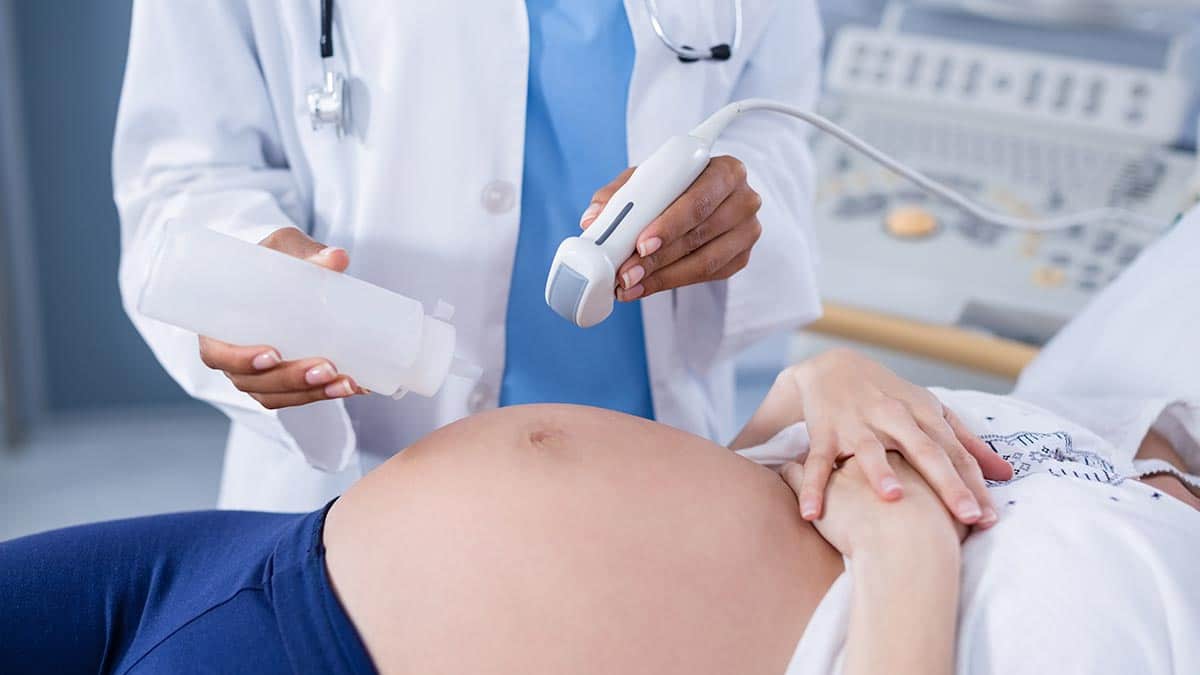
- Specialized Imaging: High-risk cases often utilize detailed Level II ultrasounds and fetal echocardiograms to monitor organ development.
- Nutritional and Lifestyle Precision: Managing blood sugar and blood pressure often requires a specific clinical diet and the avoidance of high-sodium or processed foods.
- Multidisciplinary Coordination: Your obstetrician may collaborate with endocrinologists (for diabetes), cardiologists (for heart health), or neonatologists to prepare for the baby’s immediate care after birth.

When to Seek Medical Help
For high-risk patients, timely communication with a specialist is vital. Immediate medical attention is required if you experience:
- Vaginal Bleeding: Any amount of spotting or bright red blood.
- Severe Headaches: Persistent headaches that do not resolve with rest (a potential sign of pre-eclampsia).
- Changes in Fetal Movement: A sudden decrease or stop in the baby’s kicks after the 24th week.
- Sudden Swelling: Notable edema in the face, hands, or feet.
- Fluid Leakage: Any gush or slow trickle of fluid from the vagina, indicating potential premature rupture of membranes.
3. Visakhapatnam Women’s Healthcare
People in Visakhapatnam seeking women’s healthcare often consult qualified specialists to manage the complexities of maternal-fetal medicine. Clinics in areas such as Madhurawada, MVP Colony, and Dwaraka Nagar provide access to diagnosis and treatment through advanced neonatal intensive care units (NICU) and fetal medicine centers. Facilities like Vedanta Speciality Clinics are among those offering structured care for such conditions, ensuring that mothers in the Vizag metropolitan area receive the vigilance required for high-risk gestations.
4. FAQ SECTION
Does a high-risk pregnancy mean the baby will have problems?
Not necessarily. A high-risk designation means you and your baby require more frequent monitoring to prevent problems. With modern obstetric care and advanced diagnostic tools, most women with high-risk pregnancies deliver healthy babies by managing complications as soon as they arise.
Can a high-risk pregnancy become low-risk?
In some cases, yes. For example, if a pregnancy was deemed high-risk due to a controlled medical condition or a temporary placental position that later resolves, the level of risk may decrease. However, most specialists maintain a higher level of surveillance throughout the duration for safety.
How does maternal age affect pregnancy risk?
Maternal age over 35 is associated with a higher risk of chromosomal abnormalities, gestational diabetes, and pre-eclampsia. Conversely, very young mothers (under 17) may face higher risks of preterm birth and low birth weight. Specialized screenings are used to monitor these specific age-related factors.
Is bed rest mandatory for high-risk pregnancies?
Bed rest was once a common prescription, but modern clinical evidence shows it is not always effective and can even increase the risk of blood clots. Today, specialists prefer “activity restriction” tailored to specific conditions like cervical shortening or placenta previa rather than strict bed rest.
What extra tests are done for high-risk pregnancies?
You may undergo more frequent ultrasounds, Doppler flow studies to check blood supply to the fetus, and Non-Stress Tests (NST) to monitor the baby’s heart rate. Blood tests for glucose monitoring and kidney function are also more frequent in high-risk management.
Can I have a normal delivery with a high-risk pregnancy?
Yes, many high-risk pregnancies result in successful vaginal deliveries. However, the doctor may recommend an earlier induction or a planned Caesarean section if the safety of the mother or baby is at risk due to complications like placenta previa or fetal distress.
5. CONCLUSION + SOFT CTA
Navigating a high-risk pregnancy requires a blend of clinical expertise, advanced technology, and patient vigilance. While the term may seem daunting, the goal of identifying “what are high-risk pregnancies” is to provide a protective framework that ensures the best possible health outcomes. By staying informed and maintaining a close relationship with your medical team in Visakhapatnam, you can successfully manage the complexities of your journey. Seeking guidance from an experienced women’s healthcare specialist can help ensure proper diagnosis and personalized care.


Leave a Comment